

Are there antioxidants in olive oil?
Are there antioxidants in olive oil? That's a question I get asked a lot, especially since I'm in the business of supplying antioxidants. Olive oil has long been hailed as a superfood, and its antioxidant properties are often cited as one of the reasons for its health benefits. So, let's dive in and explore whether there are indeed antioxidants in olive oil and what that means for us.
First off, what are antioxidants? In simple terms, antioxidants are substances that can prevent or slow damage to cells caused by free radicals. Free radicals are unstable molecules that can cause oxidative stress in the body, which is linked to various health issues like heart disease, cancer, and aging. Antioxidants work by neutralizing these free radicals, thus protecting our cells.
Now, back to olive oil. Olive oil is rich in several types of antioxidants. One of the most well - known antioxidants in olive oil is polyphenols. These are a group of compounds that have been shown to have anti - inflammatory, anti - cancer, and heart - protecting properties. Hydroxytyrosol and tyrosol are two specific polyphenols found in olive oil. Hydroxytyrosol, in particular, is a powerful antioxidant. It can scavenge free radicals and also has anti - microbial and anti - inflammatory effects.
Another antioxidant present in olive oil is vitamin E. Vitamin E is a fat - soluble vitamin that acts as an antioxidant in the body. It helps protect cell membranes from oxidative damage. In olive oil, the most common form of vitamin E is alpha - tocopherol. This form of vitamin E is known for its ability to prevent the oxidation of fats, which is important for maintaining the stability of olive oil itself and also for our health when we consume it.
The amount of antioxidants in olive oil can vary depending on several factors. The type of olives used matters a lot. Different olive varieties have different antioxidant profiles. For example, some varieties may have higher levels of polyphenols than others. The ripeness of the olives at the time of harvest also plays a role. Generally, less ripe olives tend to have higher levels of antioxidants compared to fully ripe ones.
The extraction method is another crucial factor. Cold - pressed olive oil is often considered to have more antioxidants because the cold - pressing process doesn't involve high temperatures that can degrade the antioxidants. In contrast, refined olive oil, which goes through more processing steps including high - heat treatments, may have lower antioxidant levels.
So, what does all this mean for us? Consuming olive oil with its antioxidants can have some great health benefits. The antioxidants in olive oil can help reduce the risk of heart disease. They can lower cholesterol levels, reduce inflammation in the blood vessels, and prevent the oxidation of LDL cholesterol (the so - called "bad" cholesterol). This helps keep our cardiovascular system in good shape.
Antioxidants in olive oil may also have anti - cancer properties. The polyphenols can inhibit the growth of cancer cells and induce apoptosis (programmed cell death) in cancer cells. Additionally, the anti - inflammatory effects of these antioxidants can help reduce the chronic inflammation that is often associated with cancer development.
As an antioxidant supplier, I'm always interested in how natural sources of antioxidants like olive oil fit into the bigger picture. In the market, we have a wide range of synthetic antioxidants that are used in various industries, such as the petrochemical industry. For example, AT - 10 (/petrochemical/antioxidant/at - 10.html) is a popular antioxidant used in plastics and polymers. It helps prevent the oxidation of these materials, which can extend their lifespan and improve their performance.
Irganox B215 (/petrochemical/antioxidant/irganox - b215.html) is another well - known antioxidant. It's a blend of primary and secondary antioxidants. This combination provides excellent protection against oxidation in polymers, ensuring that products made from these polymers maintain their quality over time.

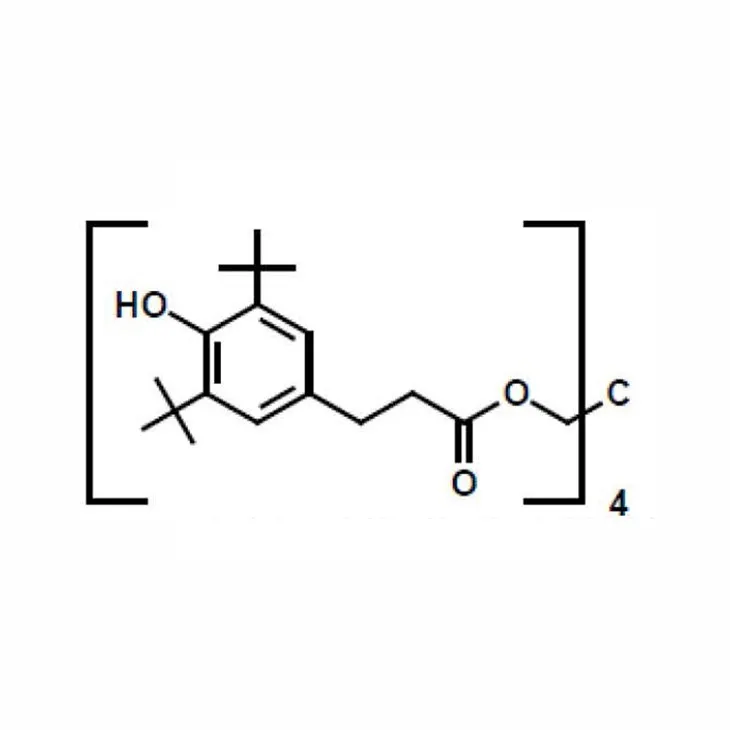
Irgafos168 (/petrochemical/antioxidant/irgafos168.html) is a secondary antioxidant that is often used in combination with primary antioxidants. It helps decompose hydroperoxides, which are formed during the oxidation process, and thus prevents further oxidation of the material.
While natural antioxidants in olive oil are great for our health, synthetic antioxidants like these play a vital role in industrial applications. They help ensure the quality and durability of products that we use every day.
If you're in an industry that requires antioxidants, whether it's the food industry, the petrochemical industry, or any other sector, we can provide you with high - quality antioxidants. We understand the importance of antioxidants in different applications and can offer customized solutions to meet your specific needs.
The antioxidants in olive oil are a great example of how nature provides us with powerful health - promoting substances. But in the industrial world, synthetic antioxidants are essential for product quality and longevity. If you're interested in discussing your antioxidant requirements, whether it's for a small - scale project or a large - scale industrial application, don't hesitate to reach out. We're here to help you find the right antioxidant solutions for your business.
References
- Visioli, F., & Galli, C. (1998). Olive oil and health: summary of the II international conference on olive oil and health consensus report. Clinical Nutrition, 17(2), 83 - 90.
- Covas, M. I., Fitó, M., de la Torre, R., & Lamuela - Raventós, R. M. (2006). Olive oil polyphenols and the prevention of cardiovascular disease. Current Opinion in Lipidology, 17(1), 49 - 54.
- Frankel, E. N., & Meyer, A. S. (2000). The problems of using one - dimensional methods to evaluate multifunctional food and biological antioxidants. Journal of the Science of Food and Agriculture, 80(13), 1925 - 1941.