

Does Cyanogran have any impact on the ozone layer?
Hey there! I'm a supplier of Cyanogran, and I've been getting a lot of questions lately about whether Cyanogran has any impact on the ozone layer. So, I thought I'd take a deep - dive into this topic and share what I've found.
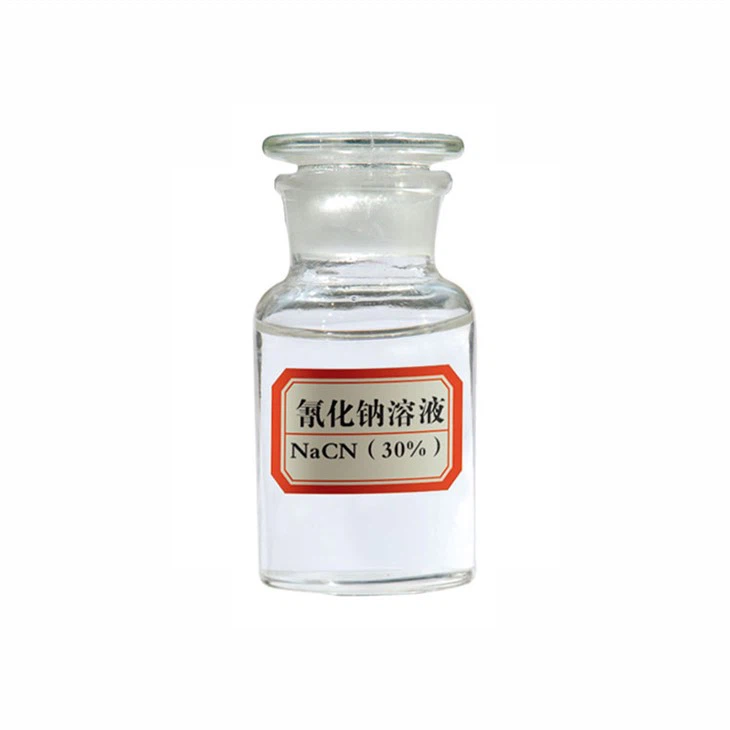
First of all, let's understand what Cyanogran is. Cyanogran is a type of cyanide product, which is basically a compound that contains the cyanide group. It's widely used in many industries, especially in gold extraction. For those of you interested in the different cyanide products out there, you can check out Sodium Cyanide Solution, Sodium Cyanide, and Potassium Cyanide.

Now, let's talk about the ozone layer. The ozone layer is a crucial part of our atmosphere. It's up there in the stratosphere, about 10 to 50 kilometers above the Earth's surface. Its main job is to absorb most of the Sun's harmful ultraviolet (UV) radiation. Without the ozone layer, we'd be exposed to a whole lot more UV rays, which can cause skin cancer, cataracts, and harm to plants and animals.
So, how could Cyanogran possibly affect the ozone layer? To figure this out, we need to look at the chemical composition and what happens to Cyanogran when it's used. Cyanogran mainly contains cyanide compounds. When it comes to interactions with the ozone layer, we're usually worried about substances that can break down ozone molecules.
One of the big culprits for ozone depletion in the past was chlorofluorocarbons (CFCs). These were used in things like refrigerants and aerosol sprays. When CFCs reach the stratosphere, they're broken down by UV radiation, releasing chlorine atoms. These chlorine atoms then react with ozone molecules, breaking them down and reducing the ozone layer.
But Cyanogran doesn't contain chlorine or other ozone - depleting substances like bromine. The main components of Cyanogran are involved in chemical reactions in industrial processes on the surface of the Earth, mainly in water and soil environments. For example, in gold mining, Cyanogran is used to form a soluble complex with gold, allowing the separation of gold from the ore.
When Cyanogran is used in these processes, it doesn't typically evaporate and reach the stratosphere. Most of the cyanide compounds react with other substances in the local environment. They can form stable compounds or be degraded through various chemical and biological processes.
In fact, the biggest concern with Cyanogran is its toxicity to living organisms. Cyanide is very poisonous, and improper handling and disposal can pose a serious threat to human health and the environment on the ground level. For example, if cyanide - containing waste water from gold mines is not properly treated, it can contaminate rivers and streams, harming fish and other aquatic life.
So, based on the scientific understanding of its chemical properties and typical usage scenarios, it seems that Cyanogran has no direct impact on the ozone layer. It doesn't contain the types of elements or compounds that can initiate the chain - reactions that lead to ozone depletion in the stratosphere.
However, we still need to be super careful with Cyanogran. It's important to follow strict safety and environmental regulations when handling and using it. We need to ensure proper storage, transportation, and waste management to prevent any negative impacts on the local environment and human health.
As a supplier of Cyanogran, I'm committed to providing high - quality products and offering the best advice on their safe use. If you're in an industry that needs Cyanogran, like gold extraction, we can work together to make sure you get what you need while also protecting the environment and human health.
If you're interested in purchasing Cyanogran, I'd love to have a chat with you. We can discuss your specific requirements, the quantity you need, and the best way to get it to you. Whether you're a small - scale miner or a large industrial company, we've got solutions for you.
In conclusion, while Cyanogran doesn't seem to have an impact on the ozone layer, we still have a responsibility to use it properly. Let's make sure we're making the most of this powerful industrial compound in a safe and sustainable way.
References
- Textbooks on environmental science and industrial chemistry.
- Research papers on the chemical properties and environmental impacts of cyanide compounds.