

How does Cyanogran affect aquatic life?
Cyanogran, a well - known cyanide - based product, is widely used in various industrial processes, especially in gold extraction. As a Cyanogran supplier, it is essential for us to understand how this chemical affects aquatic life. This knowledge not only helps in environmental management but also in building trust with our customers by demonstrating our awareness of the potential impacts of our products.
Understanding Cyanogran
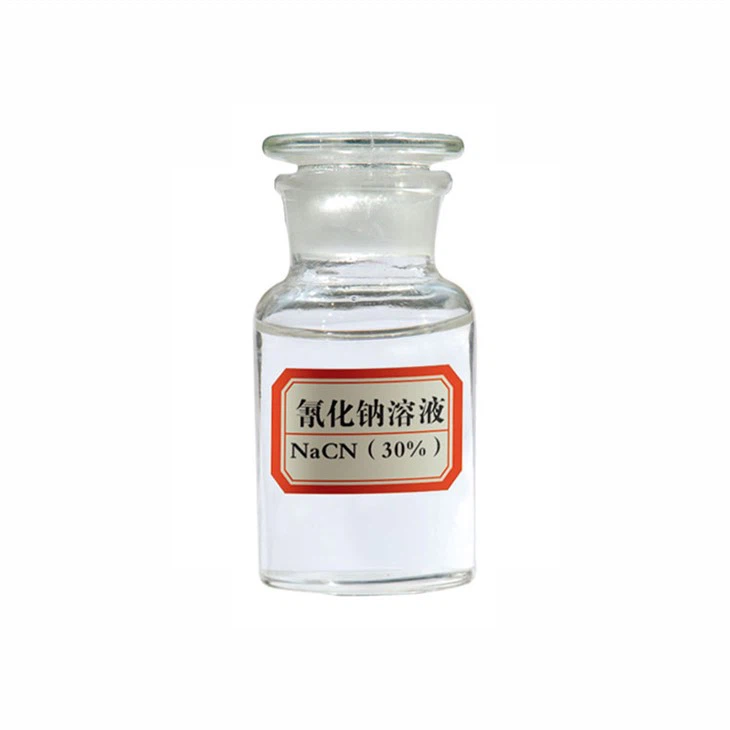
Cyanogran is a form of cyanide compound. Cyanide is a highly toxic substance that exists in different forms, such as Potassium Cyanide and Sodium Cyanide. These compounds are commonly used in gold mining as leaching agents to extract gold from ore. The high reactivity of cyanide allows it to form stable complexes with gold, facilitating its separation from the surrounding rock.
Mechanisms of Toxicity in Aquatic Environments
When Cyanogran or other cyanide - containing substances enter an aquatic environment, they can have severe consequences for aquatic life. Cyanide works by inhibiting the enzyme cytochrome c oxidase, which is a crucial component of the electron transport chain in cells. This inhibition disrupts the process of cellular respiration, preventing cells from using oxygen effectively. As a result, organisms are unable to produce the energy (ATP) they need to survive, leading to cell death and ultimately the death of the organism.
Effects on Different Aquatic Organisms
Fish
Fish are highly sensitive to cyanide. Even low concentrations of cyanide in water can cause significant stress and mortality in fish populations. Cyanide can affect fish in multiple ways. Firstly, it impairs their gill function. The gills are the primary organ for gas exchange in fish, and cyanide can damage the delicate gill tissues, reducing the fish's ability to take in oxygen from the water. This leads to symptoms such as rapid breathing, lethargy, and loss of equilibrium.
Secondly, cyanide can also affect the nervous system of fish. Fish may experience abnormal behavior, such as erratic swimming or loss of orientation. In severe cases, cyanide poisoning can lead to mass fish kills, which can have a profound impact on the aquatic ecosystem. For example, the loss of fish can disrupt the food chain, as fish are both predators and prey in many aquatic ecosystems.
Invertebrates
Aquatic invertebrates, such as insects, crustaceans, and mollusks, are also vulnerable to cyanide toxicity. These organisms play important roles in the aquatic ecosystem, such as decomposing organic matter and serving as a food source for other organisms. Cyanide can affect their growth, reproduction, and survival.
For example, some invertebrates may experience reduced reproductive success when exposed to cyanide. The eggs and larvae of many invertebrates are particularly sensitive to environmental toxins, and cyanide can cause high mortality rates among these early life stages. Additionally, cyanide can affect the feeding behavior of invertebrates. If they are unable to feed properly due to the toxic effects of cyanide, it can lead to reduced growth and survival rates.
Phytoplankton
Phytoplankton are microscopic plants that form the base of the aquatic food chain. They are responsible for a significant portion of the world's oxygen production through photosynthesis. Cyanide can have both direct and indirect effects on phytoplankton.
Directly, cyanide can inhibit the photosynthetic process in phytoplankton. Photosynthesis requires the proper functioning of enzymes and electron transport systems, which can be disrupted by cyanide. This can lead to reduced growth and productivity of phytoplankton populations. Indirectly, the loss of phytoplankton can have a cascading effect on the entire aquatic ecosystem. Since phytoplankton are a major food source for many zooplankton and small fish, a decline in phytoplankton populations can lead to reduced food availability for these organisms, ultimately affecting the entire food web.
Factors Affecting the Impact of Cyanogran on Aquatic Life
The impact of Cyanogran on aquatic life is not solely determined by the presence of cyanide. Several factors can influence the severity of the effects:
Concentration
The concentration of cyanide in the water is a critical factor. Higher concentrations of cyanide are more likely to cause immediate and severe effects on aquatic organisms. However, even low - level chronic exposure to cyanide can have long - term impacts on the health and survival of aquatic populations.
Water Chemistry
The chemical properties of the water, such as pH, temperature, and hardness, can affect the toxicity of cyanide. For example, in acidic water, cyanide can exist in the form of hydrogen cyanide (HCN), which is more toxic than other forms of cyanide. Temperature can also influence the metabolic rate of aquatic organisms, which in turn can affect their sensitivity to cyanide.
Duration of Exposure
The length of time that aquatic organisms are exposed to cyanide is also important. Short - term exposure to high concentrations of cyanide can cause acute toxicity and rapid mortality. On the other hand, long - term exposure to low concentrations can lead to chronic effects, such as reduced growth, impaired reproduction, and increased susceptibility to diseases.
Mitigation Strategies
As a Cyanogran supplier, we are committed to promoting the responsible use of our products and minimizing their impact on the environment. There are several strategies that can be employed to reduce the risk of cyanide contamination in aquatic environments:
Proper Handling and Storage
Ensuring that Cyanogran is handled and stored correctly is crucial. This includes following strict safety protocols during transportation, storage, and use. For example, cyanide products should be stored in secure containers in a well - ventilated area away from sources of heat and moisture.
Waste Management
Proper waste management is essential to prevent cyanide from entering aquatic environments. In the mining industry, for example, cyanide - containing waste solutions should be treated before disposal. There are various treatment methods available, such as chemical oxidation, which can convert cyanide into less toxic compounds.
Monitoring and Regulation
Regular monitoring of water quality in areas where Cyanogran is used is necessary to detect any potential cyanide contamination early. Governments and regulatory agencies play an important role in setting and enforcing standards for cyanide use and disposal. By complying with these regulations, we can help protect aquatic ecosystems from the harmful effects of cyanide.

Conclusion
In conclusion, Cyanogran, like other cyanide - based products, can have significant and far - reaching effects on aquatic life. As a Cyanogran supplier, we understand the importance of balancing the industrial benefits of our products with environmental protection. By understanding the mechanisms of cyanide toxicity, the effects on different aquatic organisms, and the factors that influence its impact, we can take appropriate measures to minimize the risks.
We are dedicated to providing high - quality Cyanogran products while also promoting sustainable and responsible use. If you are interested in purchasing Cyanogran for your industrial needs, we invite you to contact us for a detailed discussion. We are committed to working with you to ensure that our products are used in an environmentally friendly and efficient manner.
References
- WHO (World Health Organization). (2004). Cyanide in Drinking - Water.
- USEPA (United States Environmental Protection Agency). (2016). Aquatic Life Criteria for Cyanide.
- National Research Council. (1977). Cyanide in the Environment: Transport, Treatment, and Disposal.