

How does KCN react with carbon - containing compounds?
Potassium cyanide (KCN) is a highly toxic yet incredibly useful chemical compound. As a KCN supplier, I've witnessed firsthand the diverse reactions of KCN with various carbon - containing compounds. This blog aims to shed light on these reactions, their mechanisms, and their industrial significance.
Reaction with Haloalkanes
One of the most well - known reactions of KCN with carbon - containing compounds is its reaction with haloalkanes. Haloalkanes are organic compounds in which one or more hydrogen atoms in an alkane have been replaced by halogen atoms. When KCN reacts with a haloalkane, a nucleophilic substitution reaction occurs.
The cyanide ion ((CN^-)) in KCN acts as a nucleophile. It has a lone pair of electrons on the carbon atom, which makes it highly reactive. The reaction mechanism involves the attack of the cyanide ion on the carbon atom bonded to the halogen in the haloalkane. For example, when KCN reacts with bromoethane ((C_2H_5Br)), the following reaction takes place:
(C_2H_5Br+KCN\rightarrow C_2H_5CN + KBr)
The bromide ion ((Br^-)) is displaced by the cyanide ion, resulting in the formation of a nitrile compound. This reaction is an (S_N2) (substitution nucleophilic bimolecular) reaction, which means that the rate of the reaction depends on the concentration of both the haloalkane and the cyanide ion.
The industrial significance of this reaction is immense. Nitriles are important intermediates in the synthesis of various organic compounds, such as carboxylic acids, amines, and amides. For example, hydrolysis of nitriles in the presence of an acid or a base can lead to the formation of carboxylic acids.
Reaction with Carbonyl Compounds
KCN also reacts with carbonyl compounds, such as aldehydes and ketones. The reaction with carbonyl compounds is a nucleophilic addition reaction. The carbon - oxygen double bond in carbonyl compounds is polar, with the carbon atom having a partial positive charge and the oxygen atom having a partial negative charge.
When KCN reacts with an aldehyde or a ketone, the cyanide ion attacks the electrophilic carbon atom of the carbonyl group. For example, when KCN reacts with acetone (((CH_3)_2CO)), the following reaction occurs:
((CH_3)_2CO+KCN + H_2O\rightarrow(CH_3)_2C(OH)CN+KOH)
The product formed is a cyanohydrin. The reaction is usually carried out in the presence of a small amount of acid or base to facilitate the reaction.
Cyanohydrins are important in organic synthesis. They can be used to prepare a variety of compounds, including (\alpha) - hydroxy acids. For example, hydrolysis of cyanohydrins in the presence of an acid can lead to the formation of (\alpha) - hydroxy acids.
Reaction with Aromatic Compounds
The reaction of KCN with aromatic compounds is more complex compared to its reactions with haloalkanes and carbonyl compounds. In general, direct substitution of a hydrogen atom in an aromatic ring by a cyanide group is difficult because the aromatic ring is stabilized by resonance.
However, under certain conditions, KCN can react with aromatic diazonium salts. Aromatic diazonium salts are formed by the reaction of primary aromatic amines with nitrous acid ((HNO_2)). When an aromatic diazonium salt reacts with KCN in the presence of a copper(I) cyanide ((CuCN)) catalyst, a cyanide group is introduced into the aromatic ring.
For example, when benzene diazonium chloride ((C_6H_5N_2^+Cl^-)) reacts with KCN in the presence of (CuCN), the following reaction takes place:
(C_6H_5N_2^+Cl^-+KCN\xrightarrow{CuCN}C_6H_5CN + N_2+KCl)
This reaction is known as the Sandmeyer reaction. The resulting aromatic nitrile can be further transformed into other useful compounds, such as aromatic carboxylic acids or amines.
Industrial Applications
The reactions of KCN with carbon - containing compounds have numerous industrial applications. In the mining industry, KCN is used as a leaching agent for gold and silver extraction. The cyanide ion forms stable complexes with gold and silver ions, allowing them to be extracted from the ore. For more information on cyanide - based leaching agents, you can visit Potassium Cyanide, Sodium Cyanide, and Sodium Cyanide Solution.
In the pharmaceutical industry, the products of KCN reactions with carbon - containing compounds are used as intermediates in the synthesis of various drugs. For example, nitriles and cyanohydrins can be used to prepare compounds with biological activity.
Safety Considerations
It is important to note that KCN is an extremely toxic compound. It can be absorbed through the skin, inhaled as a gas, or ingested. Exposure to KCN can lead to serious health problems, including respiratory failure, cardiac arrest, and death.
When handling KCN, strict safety measures must be followed. This includes wearing appropriate personal protective equipment, such as gloves, goggles, and a respirator. KCN should be stored in a cool, dry place away from acids and other incompatible substances.
Conclusion
In conclusion, the reactions of KCN with carbon - containing compounds are diverse and have significant industrial applications. From the synthesis of organic compounds to the extraction of precious metals, KCN plays a crucial role in various industries.

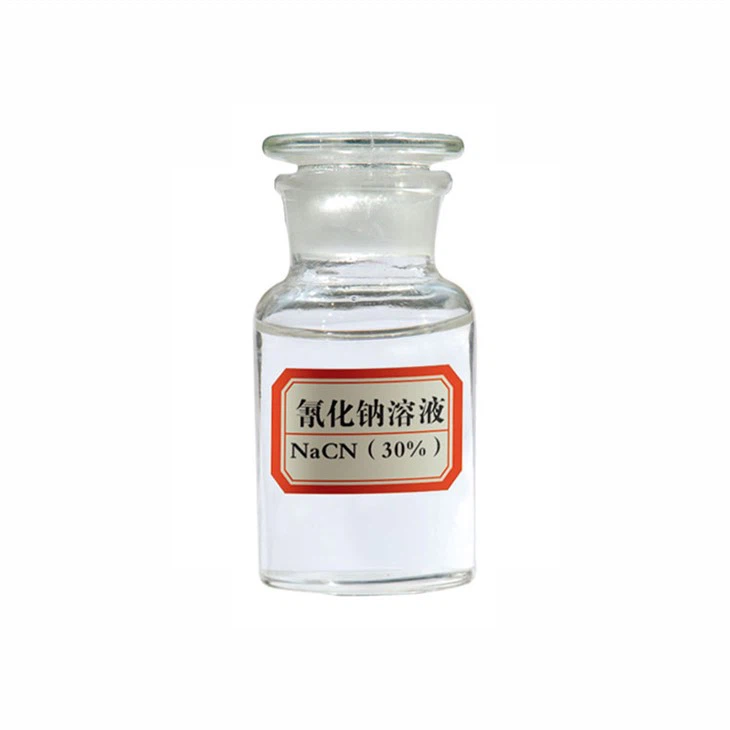
As a KCN supplier, I understand the importance of providing high - quality products and ensuring that our customers are well - informed about the proper handling and use of KCN. If you are interested in purchasing KCN for your industrial or research needs, I encourage you to contact us for further discussion and negotiation. We are committed to providing you with the best products and services.
References
- March, J. (1992). Advanced Organic Chemistry: Reactions, Mechanisms, and Structure (4th ed.). John Wiley & Sons.
- Carey, F. A., & Sundberg, R. J. (2007). Advanced Organic Chemistry: Part B: Reactions and Synthesis (5th ed.). Springer.
- Vogel, A. I. (1989). Vogel's Textbook of Practical Organic Chemistry (5th ed.). Longman Scientific & Technical.