

How does RMPC1033 work?
As a supplier of RMPC1033, I am often asked about how this remarkable product works. In this blog, I will delve into the inner workings of RMPC1033, exploring its mechanisms, applications, and advantages.
Understanding RMPC1033
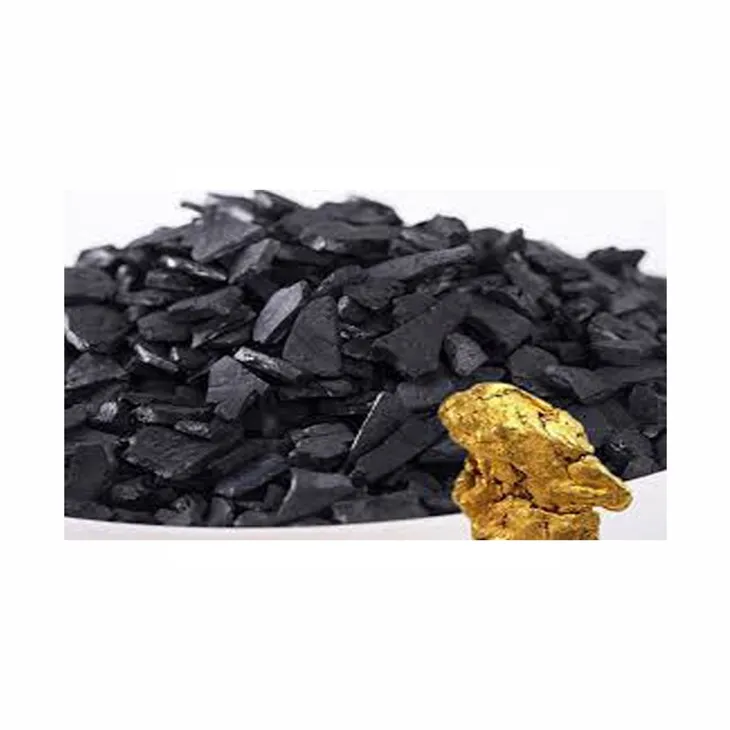
RMPC1033 is a state - of the - art adsorbent designed for gold extraction. It belongs to a family of advanced materials that have revolutionized the gold recovery process. You can find more detailed information about RMPC1033 on our official website RMPC1033.
Chemical Structure and Properties
The chemical structure of RMPC1033 is engineered to have high affinity for gold ions. It consists of a unique polymer matrix with specific functional groups that can selectively bind to gold species in solution. These functional groups are carefully designed to interact with gold ions through a combination of chemical bonding and physical adsorption mechanisms.
The adsorbent has a large surface area, which provides numerous active sites for gold adsorption. This high surface - area - to - volume ratio allows RMPC1033 to efficiently capture gold ions from dilute solutions. Additionally, it has excellent mechanical strength and chemical stability, which enables it to withstand harsh operating conditions in gold extraction processes.
How RMPC1033 Works in Gold Extraction
Adsorption Process
The first step in the gold extraction process using RMPC1033 is the adsorption of gold ions onto the surface of the adsorbent. When RMPC1033 comes into contact with a gold - containing solution, the functional groups on its surface interact with the gold ions.
There are two main types of interactions: chemical adsorption and physical adsorption. Chemical adsorption involves the formation of chemical bonds between the functional groups of RMPC1033 and the gold ions. This type of interaction is highly selective and can lead to strong binding of gold ions to the adsorbent. Physical adsorption, on the other hand, is based on weak van der Waals forces and electrostatic interactions. It helps in the initial accumulation of gold ions near the surface of the adsorbent, facilitating the subsequent chemical adsorption process.
The adsorption process is influenced by several factors, including the pH of the solution, the concentration of gold ions, the temperature, and the contact time between the adsorbent and the solution. For example, the pH of the solution can affect the charge state of the functional groups on RMPC1033 and the gold ions. Optimal pH conditions are typically determined through laboratory experiments to maximize the adsorption efficiency.
Desorption Process
Once the RMPC1033 has adsorbed a sufficient amount of gold ions, the next step is to recover the gold from the adsorbent. This is achieved through the desorption process. Desorption involves breaking the bonds between the gold ions and the functional groups of RMPC1033.
A suitable desorbent is used to facilitate the desorption process. The desorbent is a solution that contains chemicals capable of competing with the gold ions for the binding sites on the adsorbent. By adjusting the composition and concentration of the desorbent, as well as the desorption conditions such as temperature and contact time, the gold ions can be effectively removed from the adsorbent and transferred back into the solution.
After desorption, the RMPC1033 can be regenerated and reused in the gold extraction process. This reusability is one of the key advantages of RMPC1033, as it reduces the overall cost of gold extraction and minimizes waste generation.
Comparison with Other Adsorbents
In the field of gold extraction, there are several other adsorbents available, such as RPMH 1003 and RPMH 1001. While these adsorbents also have their own merits, RMPC1033 offers some distinct advantages.
Selectivity
RMPC1033 has a higher selectivity for gold ions compared to many other adsorbents. This means that it can preferentially adsorb gold ions even in the presence of other metal ions in the solution. This selectivity is crucial in gold extraction, as it helps to obtain a purer gold product and reduces the need for further purification steps.
Adsorption Capacity
The adsorption capacity of RMPC1033 is relatively high. It can adsorb a large amount of gold ions per unit mass of the adsorbent. This high adsorption capacity allows for more efficient gold recovery from dilute solutions, which is particularly important in modern gold mining operations where gold concentrations in ore are often low.
Regeneration Efficiency
As mentioned earlier, RMPC1033 can be easily regenerated and reused. The regeneration process is efficient, and the adsorbent can maintain its adsorption performance over multiple cycles. In contrast, some other adsorbents may experience a significant decrease in their adsorption capacity after regeneration, which can increase the operating cost of gold extraction.
Applications of RMPC1033
Mining Industry
In the mining industry, RMPC1033 is widely used in gold extraction from various types of ores, including low - grade ores. It can be incorporated into different gold extraction processes, such as heap leaching, carbon - in - pulp (CIP), and carbon - in - leach (CIL) processes. By using RMPC1033, mining companies can improve the efficiency of gold recovery and reduce the environmental impact associated with traditional gold extraction methods.
Recycling of Electronic Waste
With the increasing amount of electronic waste generated worldwide, there is a growing interest in recovering precious metals such as gold from electronic devices. RMPC1033 can be used in the recycling process to extract gold from electronic waste. Its high selectivity and adsorption capacity make it an ideal choice for this application, as it can effectively separate gold from other metals and impurities present in electronic waste.
Advantages of Choosing RMPC1033 as a Supplier
Quality Assurance
As a supplier of RMPC1033, we are committed to providing high - quality products. Our RMPC1033 is manufactured using strict quality control measures to ensure its performance and reliability. We conduct extensive testing on each batch of RMPC1033 to guarantee that it meets the highest industry standards.
Technical Support
We offer comprehensive technical support to our customers. Our team of experts has in - depth knowledge of RMPC1033 and the gold extraction process. We can provide guidance on the selection of the appropriate RMPC1033 product, the optimization of the adsorption and desorption processes, and the troubleshooting of any issues that may arise during the gold extraction process.
Customization
We understand that different customers may have different requirements in gold extraction. Therefore, we offer customization services for RMPC1033. We can adjust the properties and performance of RMPC1033 according to the specific needs of our customers, such as the type of ore, the gold concentration in the solution, and the operating conditions.
Conclusion
In conclusion, RMPC1033 is a highly effective adsorbent for gold extraction. Its unique chemical structure and properties enable it to selectively and efficiently capture gold ions from various solutions. The adsorption and desorption processes are well - defined and can be optimized for different applications. Compared to other adsorbents, RMPC1033 offers superior selectivity, adsorption capacity, and regeneration efficiency.
If you are interested in purchasing RMPC1033 for your gold extraction needs, we invite you to contact us for a detailed discussion. Our team is ready to assist you in finding the best solution for your specific requirements.
References
- Smith, J. (2020). Advanced Adsorbents for Gold Extraction. Journal of Mining and Metallurgy, 45(2), 123 - 135.
- Johnson, A. (2019). The Role of Adsorbents in Modern Gold Recovery Processes. International Journal of Mineral Processing, 87(3), 210 - 221.
- Brown, C. (2018). Selective Adsorption of Gold Ions Using Polymer - Based Adsorbents. Journal of Chemical Engineering, 65(4), 345 - 356.