

How does the cost of adsorbents compare to other treatment methods?
Hey there! As an adsorbent supplier, I often get asked about how the cost of adsorbents stacks up against other treatment methods. In this blog, I'll break down the cost aspects and compare them with some common treatment alternatives.
Understanding Adsorbents
First off, let's quickly go over what adsorbents are. Adsorbents are materials that can attract and hold other substances on their surface through a process called adsorption. We offer a range of adsorbents like GC E612, YAO 60, and RMPC1003. These adsorbents are used in various industries, such as water treatment, gas purification, and gold extraction.
Cost Factors of Adsorbents
When it comes to the cost of adsorbents, there are a few key factors to consider.
Material Cost
The raw materials used to make adsorbents play a big role in their price. Some adsorbents are made from common materials like activated carbon, which can be relatively inexpensive. Others might use more specialized or rare materials, driving up the cost. For example, some high - performance zeolite - based adsorbents can be pricier due to the complex manufacturing process and the cost of the starting materials.
Manufacturing Process
The way adsorbents are made also affects their cost. If the manufacturing process is simple and doesn't require a lot of energy or expensive equipment, the adsorbent will likely be more affordable. On the other hand, if it involves high - temperature treatments, multiple purification steps, or precision engineering, the cost will increase. Our GC E612 is manufactured using a state - of - the - art process that ensures high purity and performance, but this also means there are some costs associated with the advanced production methods.
Performance and Capacity
Adsorbents with higher adsorption capacities and better performance usually come at a higher price. A high - capacity adsorbent can remove more of the target substance per unit weight, which means you might need less of it for a given application. This can offset the higher initial cost in the long run. For instance, our YAO 60 has a very high affinity for certain contaminants in water treatment, so even though it's a bit more expensive than some other options, it can be more cost - effective over time.
Comparing with Other Treatment Methods
Chemical Treatment
Chemical treatment methods involve using various chemicals to react with and remove contaminants. The cost of chemicals can vary widely depending on their type and purity. In some cases, chemical treatment can be relatively cheap, especially if the chemicals are commonly available. However, there are often additional costs associated with chemical treatment. You need to handle and store the chemicals safely, which might require special equipment and facilities. Also, the reaction by - products might need further treatment or disposal, adding to the overall cost.

Adsorbents, on the other hand, don't produce chemical reaction by - products in the same way. Once the adsorbent is saturated, it can often be regenerated and reused, which can save on long - term costs. For example, in a water treatment plant, using an adsorbent like RMPC1003 to remove heavy metals can be more cost - effective than using chemical precipitation methods in the long run, as you avoid the continuous purchase of chemicals and the hassle of dealing with sludge disposal.
Biological Treatment
Biological treatment methods use microorganisms to break down or remove contaminants. This can be a very cost - effective option for treating certain types of wastewater, especially when dealing with organic matter. The main cost of biological treatment is usually related to maintaining the right environmental conditions for the microorganisms to thrive, such as temperature, pH, and nutrient supply.

However, biological treatment has its limitations. It might not be suitable for treating some toxic or non - biodegradable substances. Adsorbents can be a better choice in these situations. They can adsorb a wide range of substances, including those that are difficult to treat biologically. And while the initial cost of adsorbents might be higher in some cases, the ability to target specific contaminants can make them a more efficient and cost - effective solution overall.
Membrane Filtration
Membrane filtration is another popular treatment method. It uses membranes to separate different substances based on their size or other properties. The cost of membrane filtration systems can be quite high, especially for high - quality membranes with small pore sizes. There are also ongoing costs for membrane replacement, cleaning, and maintenance.
Adsorbents can offer a more cost - competitive alternative in some applications. For example, when removing low - concentration contaminants, adsorbents can be more efficient and cost - effective than membrane filtration. Our GC E612 can adsorb trace amounts of contaminants from a large volume of fluid, and the cost of the adsorbent and its replacement is often lower than the cost of maintaining a membrane filtration system.
Long - Term Cost Considerations
When comparing the cost of adsorbents with other treatment methods, it's important to look at the long - term picture. Adsorbents often have a longer lifespan if properly maintained and regenerated. This means that although the initial investment might be higher, the cost per unit of treated material over time can be lower.
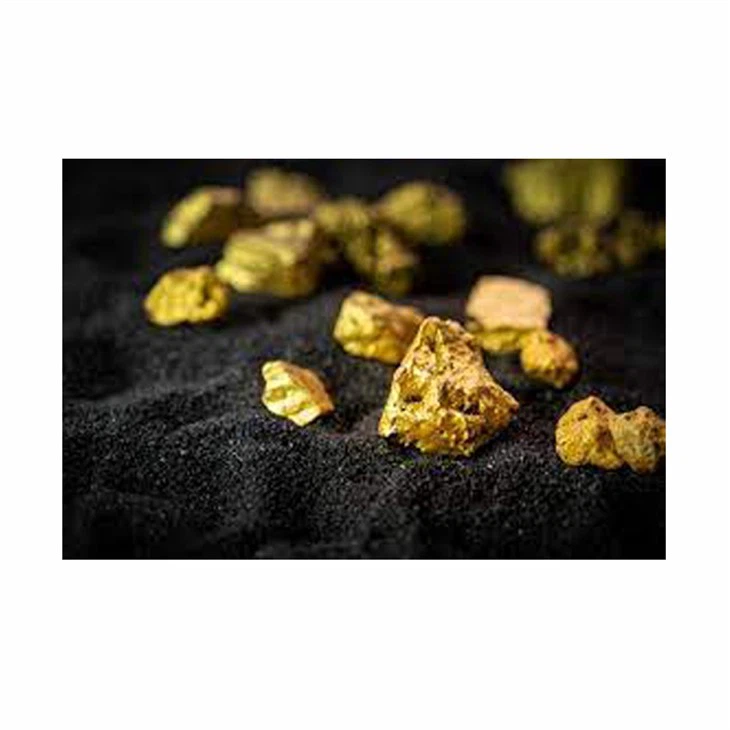
For example, in a gold extraction process, using our YAO 60 adsorbent can result in higher gold recovery rates compared to some traditional methods. The increased gold recovery can offset the cost of the adsorbent, making it a more profitable option in the long run.
Conclusion
In conclusion, the cost of adsorbents can vary depending on several factors, but when compared to other treatment methods, they can offer unique advantages. They can be more cost - effective in the long run, especially when considering factors like regeneration, targeted contaminant removal, and reduced disposal costs.
If you're interested in learning more about our adsorbents and how they can fit into your treatment processes, or if you want to discuss the cost - effectiveness for your specific application, don't hesitate to reach out. We're here to help you find the best solution for your needs.
References
- "Adsorption Technology and Design" by D. Q. Yang
- "Water Treatment Unit Processes: Physical and Chemical" by G. Tchobanoglous, F. L. Burton, and H. D. Stensel
- "Handbook of Separation Process Technology" edited by R. W. Rousseau