

How is NaCN transported safely?
As a supplier of Sodium Cyanide (NaCN), ensuring the safe transportation of this highly toxic yet industrially valuable chemical is of utmost importance. In this blog, I will delve into the various aspects of transporting NaCN safely, from regulatory compliance to specialized handling procedures.
Regulatory Framework
Transporting NaCN is strictly regulated at both national and international levels. These regulations are in place to protect human health, the environment, and to prevent any potential accidents. In the United States, the Department of Transportation (DOT) has established comprehensive rules for the transportation of hazardous materials, including NaCN. The DOT classifies NaCN as a Class 6.1 toxic substance, which means it requires special handling, packaging, and labeling.
Internationally, the United Nations' Recommendations on the Transport of Dangerous Goods (UN RTDG) provide a global framework for the safe transport of hazardous materials. These recommendations are adopted by many countries and are used to harmonize regulations across borders. Compliance with these regulations is non - negotiable for any NaCN supplier. Failure to adhere to the rules can result in severe penalties, including fines and legal action.
Packaging Requirements
One of the key factors in safe NaCN transportation is proper packaging. The packaging must be able to withstand the rigors of transportation, including vibrations, shocks, and changes in temperature and pressure. For solid NaCN, it is typically packaged in steel drums or plastic containers that are resistant to corrosion. These containers are designed to prevent any leakage or spillage during transit.
The packaging must also be labeled correctly. According to the regulations, all packages containing NaCN must display the appropriate hazard labels, such as the toxic symbol and the UN number (UN1689 for solid NaCN). These labels provide clear information to anyone handling the package about the nature of the contents and the associated risks.
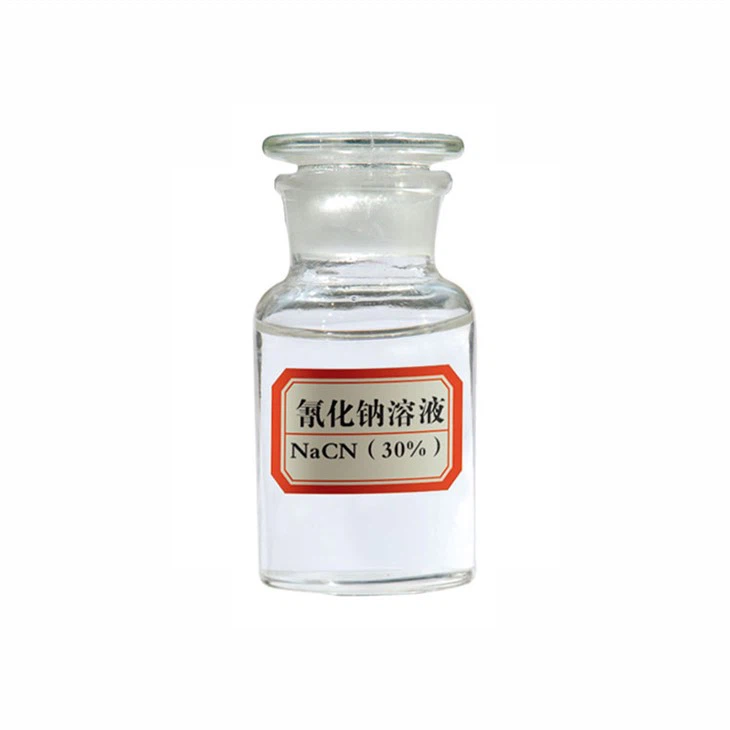
For Sodium Cyanide Solution, the packaging requirements are even more stringent. The solution is usually transported in specialized tankers that are made of materials resistant to the corrosive nature of the solution. These tankers are equipped with safety features such as pressure relief valves and leak detection systems to prevent any accidents. You can find more information about Sodium Cyanide Solution on our website.
Handling Procedures
Before loading NaCN onto a transport vehicle, it is essential to conduct a thorough inspection of the packaging. Any damaged or compromised packages should not be transported and must be properly disposed of or repaired. During loading and unloading, trained personnel should handle the packages with extreme care. They should wear appropriate personal protective equipment (PPE), such as gloves, goggles, and respirators, to protect themselves from exposure to the toxic substance.
Once the NaCN is loaded onto the transport vehicle, it must be secured properly to prevent any movement during transit. This is crucial as any shifting of the packages can increase the risk of damage and leakage. The transport vehicle should also be equipped with emergency response equipment, such as spill kits and fire extinguishers, in case of an accident.
Transportation Modes
There are several transportation modes available for NaCN, including road, rail, and sea. Each mode has its own advantages and challenges, and the choice of mode depends on various factors such as the quantity of NaCN to be transported, the distance, and the destination.

Road Transportation
Road transportation is the most common mode for short - distance deliveries of NaCN. Trucks used for transporting NaCN must meet strict safety standards. They are usually equipped with GPS tracking systems to monitor their location and speed, and they must follow designated routes that are away from densely populated areas and sensitive environmental sites.
Rail Transportation
Rail transportation is suitable for transporting large quantities of NaCN over long distances. Railcars used for NaCN transportation are specially designed to meet the safety requirements. They are made of high - strength materials and are equipped with safety features such as double - hulls and emergency shut - off valves. However, rail transportation also requires careful coordination between the supplier, the railway company, and the receiving party.
Sea Transportation
Sea transportation is used for international shipments of NaCN. Cargo ships carrying NaCN must comply with the International Maritime Dangerous Goods (IMDG) Code. This code provides detailed regulations on the packaging, stowage, and handling of hazardous materials on board ships. Specialized containers are used to transport NaCN by sea, and they must be properly secured to prevent any movement during the voyage.
Emergency Response Planning
Despite all the safety measures in place, there is always a risk of an accident during the transportation of NaCN. Therefore, it is essential to have a comprehensive emergency response plan. This plan should include procedures for dealing with spills, fires, and other emergencies.
In case of a spill, the first step is to isolate the area and prevent any unauthorized access. Trained personnel should then use appropriate spill - control measures, such as absorbent materials, to contain the spill. If there is a fire, the use of water should be avoided as it can react with NaCN to produce toxic hydrogen cyanide gas. Instead, dry chemicals or carbon dioxide extinguishers should be used.
All employees involved in the transportation of NaCN should be trained regularly on the emergency response plan. This training should include practical exercises to ensure that they can respond effectively in case of an emergency.
Quality Control and Assurance
As a NaCN supplier, we also conduct strict quality control and assurance measures during the transportation process. We regularly inspect the transport vehicles and packaging to ensure that they are in good condition. We also monitor the temperature and pressure of the packages during transit to detect any potential issues.
Our quality control team is responsible for maintaining detailed records of all shipments, including the quantity of NaCN transported, the packaging used, the transportation mode, and the destination. These records are essential for traceability and for ensuring compliance with the regulations.
Conclusion
Transporting NaCN safely is a complex process that requires strict adherence to regulations, proper packaging, careful handling, and comprehensive emergency response planning. As a supplier, we are committed to ensuring the safe and efficient transportation of NaCN to our customers.
If you are interested in purchasing Sodium Cyanide or Potassium Cyanide, please feel free to contact us for more information and to start the procurement negotiation process. We are ready to provide you with high - quality products and excellent service.
References
- United States Department of Transportation (DOT). Hazardous Materials Regulations.
- United Nations. Recommendations on the Transport of Dangerous Goods (UN RTDG).
- International Maritime Organization (IMO). International Maritime Dangerous Goods (IMDG) Code.