

How to use RPMH 1001 correctly?
Hey there! As a supplier of RPMH 1001, I'm super excited to share with you how to use this amazing product correctly. RPMH 1001 is a top - notch adsorbent that's widely used in gold extraction, and getting the most out of it can really boost your gold - recovery game.
Understanding RPMH 1001
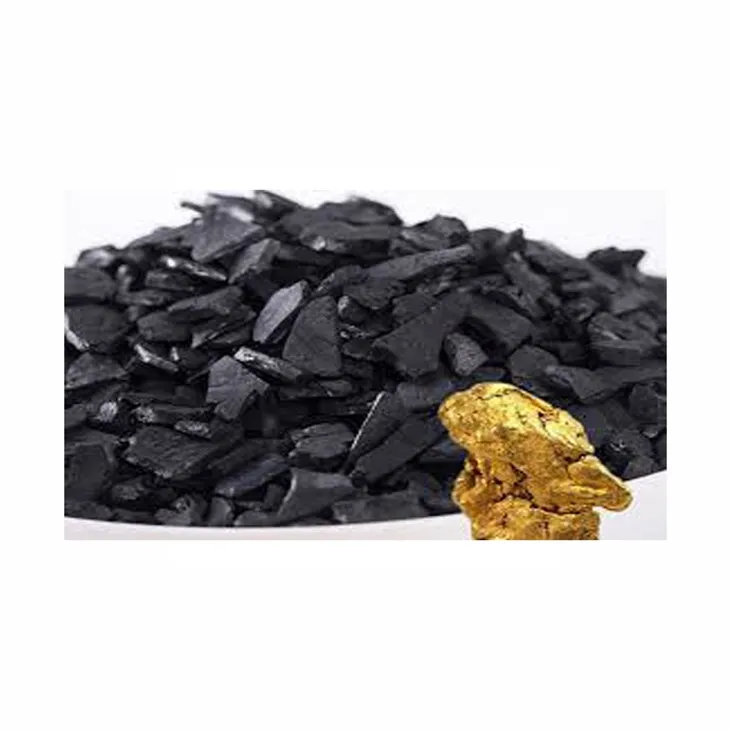
First off, let's talk a bit about what RPMH 1001 is. It's a high - performance adsorbent designed specifically for gold extraction. You can find more detailed info about it on this page: RPMH 1001. This product has some really cool features. It has a high adsorption capacity, which means it can grab a lot of gold ions from the solution. Also, it's quite stable and can work well in a variety of conditions.
Preparation Before Use
Before you start using RPMH 1001, there are a few things you need to do. First, make sure your extraction solution is in the right condition. The pH level of the solution is crucial. RPMH 1001 works best within a certain pH range. Usually, you want to adjust the pH to around 1 - 3. You can use common acids like hydrochloric acid or sulfuric acid to lower the pH if needed. Just be careful when handling these acids; they're pretty strong!
Another important step is to clean the equipment you'll be using. Any dirt or impurities in the extraction tank or pipes can affect the performance of RPMH 1001. So, give everything a good scrub and rinse it thoroughly with clean water.
Dosage and Mixing
Figuring out the right dosage of RPMH 1001 is key. The amount you need depends on the concentration of gold in the solution. As a general rule of thumb, for a solution with a low - to - medium gold concentration (say, less than 10 ppm), you can start with about 1 - 2 grams of RPMH 1001 per liter of solution. If the gold concentration is higher, you might need to increase the dosage accordingly.
Once you've measured out the right amount of RPMH 1001, it's time to add it to the solution. Slowly pour the adsorbent into the extraction tank while stirring the solution gently. This helps to ensure that the RPMH 1001 is evenly distributed throughout the solution. You can use a mechanical stirrer or an air - bubbling system to keep the solution well - mixed. Stirring for at least 30 minutes to an hour is usually a good idea to allow the RPMH 1001 to fully interact with the gold ions in the solution.
Adsorption Process
During the adsorption process, keep an eye on a few things. The temperature of the solution can have an impact on how well RPMH 1001 works. Generally, a temperature between 20 - 30 degrees Celsius is ideal. If it's too cold, the adsorption rate might slow down; if it's too hot, it could potentially damage the adsorbent.
Also, monitor the time. The adsorption process usually takes a few hours, but it can vary depending on the solution conditions and the gold concentration. You can take samples at regular intervals and analyze them to see how much gold has been adsorbed. Once the adsorption reaches a satisfactory level, you're ready to move on to the next step.
Separation and Recovery
After the adsorption is complete, you need to separate the RPMH 1001 from the solution. You can use a simple filtration method. A filter with a fine mesh can effectively trap the RPMH 1001 particles while allowing the solution to pass through. Make sure the filtration is done carefully to avoid losing any of the adsorbent.
Once you've separated the RPMH 1001, it's time to recover the gold. There are different methods for this, such as elution. Elution involves using a special eluent to strip the gold from the RPMH 1001. A common eluent is a solution of thiourea and sulfuric acid. You soak the RPMH 1001 in the eluent for a certain period, and the gold will be released into the eluent. Then, you can further process the eluent to obtain pure gold.
Comparison with Other Adsorbents
It's worth comparing RPMH 1001 with some other adsorbents on the market, like RPMH 1003 and RMPC1034. RPMH 1003 has a different chemical structure and is better suited for solutions with a higher pH. If your solution has a pH above 3, RPMH 1003 might be a better choice. On the other hand, RMPC1034 is more effective in solutions with a complex matrix, where there are a lot of other metal ions present. But in most cases where the solution has a relatively simple composition and a low - to - medium pH, RPMH 1001 is a great option because of its high adsorption capacity and cost - effectiveness.
Troubleshooting
Sometimes, things might not go as smoothly as planned. If you notice that the adsorption rate is lower than expected, first check the pH of the solution. It might have changed during the process, and you may need to adjust it again. Also, make sure the RPMH 1001 is fresh. If it's been stored for a long time, its performance might degrade.
If you have problems with the separation process, like the filter getting clogged, it could be because the RPMH 1001 particles are too fine or there are too many impurities in the solution. You can try using a pre - filter to remove the larger impurities before the main filtration step.
Conclusion
Using RPMH 1001 correctly can significantly improve your gold - extraction efficiency. By following the steps I've outlined above, from preparation to recovery, you can make the most of this great adsorbent. Whether you're a small - scale gold miner or a large - scale extraction plant, RPMH 1001 can be a valuable addition to your toolkit.

If you're interested in purchasing RPMH 1001 or have any questions about its use, feel free to reach out. We're here to help you with all your gold - extraction needs and can provide you with more detailed information and support.
References
- General knowledge of gold extraction processes
- Product specifications and technical data of RPMH 1001, RPMH 1003, and RMPC1034