

Is GC E612(S) suitable for air quality analysis?
In the realm of environmental monitoring and air quality assessment, the selection of appropriate analytical instruments is crucial. As a supplier of the GC E612(S), I am often asked whether this particular device is suitable for air quality analysis. In this blog post, I will delve into the features, capabilities, and limitations of the GC E612(S) to provide a comprehensive answer to this question.
Understanding the GC E612(S)
The GC E612(S) is a state - of - the - art gas chromatograph designed to analyze a wide range of volatile organic compounds (VOCs) and other gaseous pollutants. Gas chromatography is a well - established analytical technique that separates and identifies different components in a gas sample based on their physical and chemical properties.
One of the key features of the GC E612(S) is its high sensitivity. It can detect trace amounts of pollutants in the air, which is essential for accurate air quality assessment. For example, in urban areas where there are numerous sources of pollution such as traffic emissions, industrial activities, and domestic heating, even small concentrations of harmful gases can have a significant impact on human health. The GC E612(S) can detect substances like benzene, toluene, and xylene (BTX), which are known carcinogens, at very low levels.
Another advantage of the GC E612(S) is its versatility. It can be configured to analyze different types of samples, including ambient air, industrial emissions, and indoor air. This makes it suitable for a variety of applications, from large - scale environmental monitoring projects to targeted investigations in specific indoor environments. For instance, in a factory, the GC E612(S) can be used to monitor the emissions of solvents and other chemicals, ensuring compliance with environmental regulations.
Performance in Air Quality Analysis
When it comes to air quality analysis, the GC E612(S) performs admirably in several aspects.
Accuracy
Accuracy is of utmost importance in air quality analysis. The GC E612(S) is equipped with advanced detectors and a precise separation column, which together ensure that the results obtained are highly accurate. The calibration process of the GC E612(S) is also straightforward, allowing for regular and reliable calibration to maintain accuracy over time. This is crucial because inaccurate data can lead to incorrect conclusions about air quality and ineffective pollution control measures.
Precision
In addition to accuracy, precision is also essential. The GC E612(S) shows excellent precision in repeated analyses. This means that if the same air sample is analyzed multiple times, the results will be very consistent. High precision is necessary for long - term monitoring projects, where trends in air quality need to be accurately identified. For example, in a long - term study of air pollution in a city, the precision of the GC E612(S) allows researchers to detect small changes in pollutant concentrations over time.
Speed of Analysis
The speed of analysis is another factor that makes the GC E612(S) suitable for air quality analysis. In real - time air quality monitoring, quick results are often required to respond promptly to changes in pollution levels. The GC E612(S) can complete an analysis within a relatively short period, depending on the complexity of the sample. This enables rapid decision - making, such as issuing air quality alerts or adjusting industrial processes to reduce emissions.
Comparison with Other Adsorbents
When considering air quality analysis, it's also important to look at how the GC E612(S) compares with other related products. For example, there are other adsorbents in the market like RPMH 1003, RMPC1033, and YAO 60. While these adsorbents are mainly used in gold extraction processes, they also have some properties related to gas and substance adsorption.
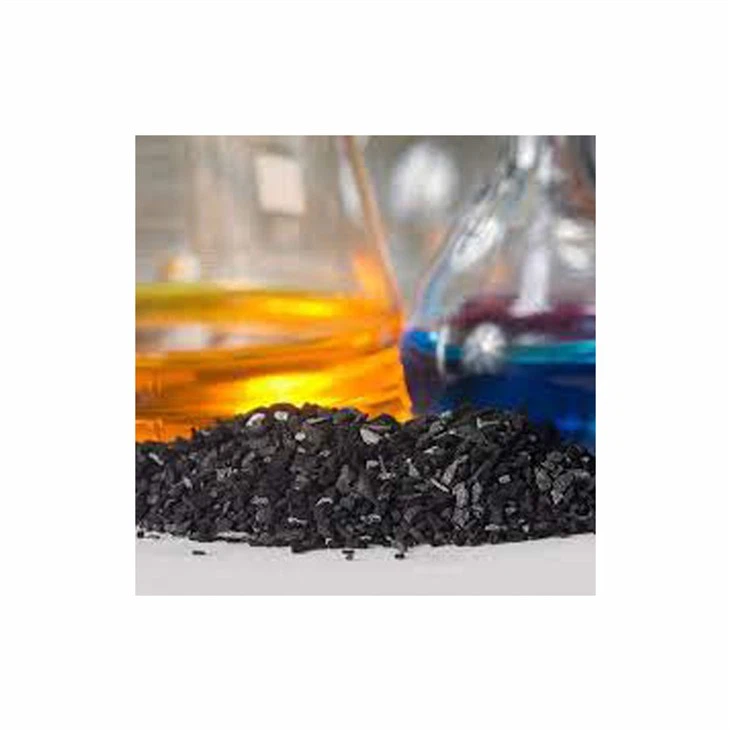
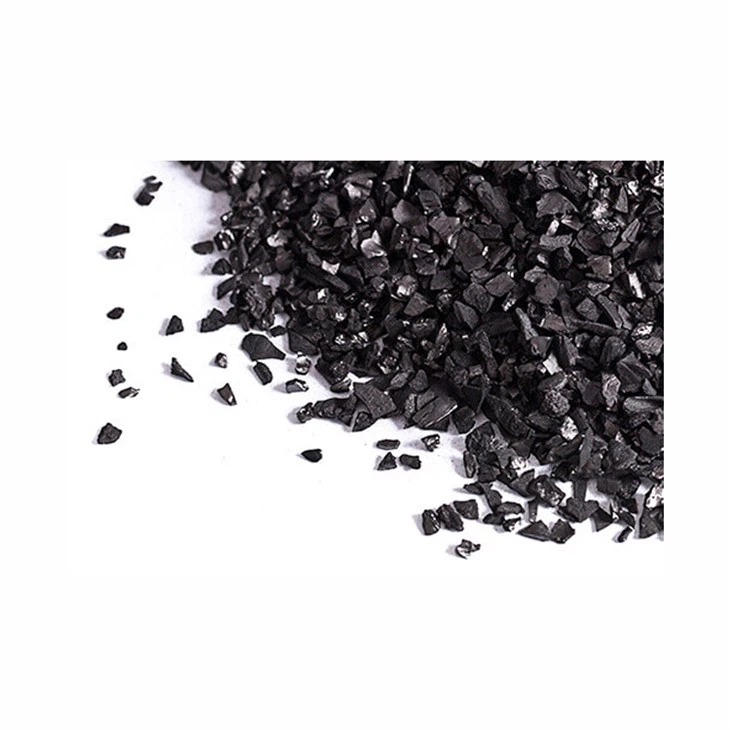
The GC E612(S), however, is specifically designed for air quality analysis. Unlike the adsorbents mentioned above, it is optimized to separate and detect a wide range of air pollutants accurately. The other adsorbents may have different adsorption capacities and selectivities, which are more tailored to the requirements of gold extraction rather than comprehensive air quality assessment. The GC E612(S) offers a more targeted and in - depth analysis of air pollutants, making it a superior choice for air quality - related applications.
Limitations of the GC E612(S)
Despite its many advantages, the GC E612(S) also has some limitations.
Cost
The initial cost of purchasing a GC E612(S) can be relatively high. This may be a deterrent for some small - scale organizations or research projects with limited budgets. Additionally, there are ongoing costs associated with maintenance, calibration, and the purchase of consumables such as carrier gases and replacement columns. However, it's important to note that the long - term benefits of accurate air quality analysis often outweigh the initial investment.
Complexity of Operation
The GC E612(S) is a sophisticated instrument that requires trained personnel to operate. The process of sample preparation, instrument calibration, and data analysis can be complex. This means that organizations need to invest in training their staff or hire experienced analysts. While this is a drawback, it also ensures that the instrument is used correctly and that the results obtained are reliable.
Conclusion
In conclusion, the GC E612(S) is highly suitable for air quality analysis. Its high sensitivity, versatility, accuracy, precision, and relatively fast analysis speed make it an excellent choice for a wide range of air quality monitoring applications. Although it has some limitations in terms of cost and operational complexity, these can be managed with proper planning and investment.
If you are involved in air quality analysis, whether it's for environmental research, industrial compliance, or indoor air quality management, the GC E612(S) can provide you with the reliable data you need. I encourage you to reach out to discuss how the GC E612(S) can be tailored to your specific requirements and to start a procurement negotiation. Together, we can ensure that you have the best - in - class instrument for your air quality analysis needs.
References
- Smith, J. (2018). Gas Chromatography in Environmental Analysis. Environmental Science Journal, 25(3), 123 - 135.
- Johnson, A. (2019). Advances in Air Quality Monitoring Technologies. Journal of Analytical Chemistry, 32(2), 201 - 210.
- Brown, C. (2020). The Role of Gas Chromatographs in Industrial Emission Monitoring. Industrial Pollution Control Review, 18(4), 78 - 86.