

What are the effects of KCN on the digestive system?
Potassium cyanide (KCN) is a highly toxic compound with a wide range of industrial applications, including gold extraction, electroplating, and chemical synthesis. As a reputable supplier of Potassium Cyanide, we understand the importance of providing accurate information about the properties and potential effects of this substance. In this blog post, we will delve into the effects of KCN on the digestive system, exploring the mechanisms of toxicity, symptoms of exposure, and the necessary precautions to take.
Mechanisms of Toxicity
Potassium cyanide is a potent inhibitor of cellular respiration, specifically targeting the enzyme cytochrome c oxidase in the mitochondria. This enzyme plays a crucial role in the electron transport chain, which is responsible for generating adenosine triphosphate (ATP), the primary energy currency of the cell. When KCN enters the body, it dissociates into potassium ions (K+) and cyanide ions (CN-). The cyanide ions bind to the iron atom in the heme group of cytochrome c oxidase, preventing the enzyme from accepting electrons and disrupting the normal flow of the electron transport chain.
As a result, cells are unable to produce ATP efficiently, leading to a rapid depletion of energy reserves. This energy deficit has a profound impact on all organs and tissues in the body, but the digestive system is particularly vulnerable due to its high metabolic activity. The cells lining the digestive tract, including the esophagus, stomach, small intestine, and large intestine, require a constant supply of energy to carry out their functions, such as digestion, absorption, and secretion. When these cells are deprived of energy, they begin to malfunction, leading to a cascade of physiological and pathological changes.
Effects on the Digestive System
Oral Cavity and Esophagus
When KCN is ingested, it comes into direct contact with the oral cavity and esophagus. The highly reactive cyanide ions can cause severe irritation and damage to the mucous membranes lining these organs. Symptoms may include burning pain, swelling, and ulceration of the lips, tongue, and throat. In severe cases, the esophagus may become inflamed and narrowed, making it difficult to swallow. This condition, known as esophagitis, can lead to further complications, such as esophageal strictures and perforation.

Stomach
The acidic environment of the stomach can enhance the toxicity of KCN by converting it into hydrogen cyanide (HCN), a volatile and highly toxic gas. When HCN is released in the stomach, it can be absorbed rapidly into the bloodstream, exacerbating the systemic effects of cyanide poisoning. In addition, the cyanide ions can directly damage the cells lining the stomach, leading to gastritis, ulcers, and bleeding. Symptoms of stomach involvement may include abdominal pain, nausea, vomiting, and diarrhea.
Small Intestine
The small intestine is responsible for the majority of digestion and absorption of nutrients in the body. When KCN reaches the small intestine, it can disrupt the normal functioning of the intestinal cells, including the enterocytes and goblet cells. The enterocytes are responsible for absorbing nutrients, such as carbohydrates, proteins, and fats, while the goblet cells secrete mucus to protect the intestinal lining. Cyanide poisoning can impair the ability of these cells to perform their functions, leading to malabsorption, diarrhea, and electrolyte imbalances.
Large Intestine
The large intestine plays a crucial role in the absorption of water and electrolytes and the formation of feces. Cyanide poisoning can disrupt the normal motility of the large intestine, leading to constipation or diarrhea. In addition, the damage to the intestinal cells can compromise the integrity of the intestinal barrier, allowing bacteria and toxins to enter the bloodstream, increasing the risk of systemic infections and sepsis.
Symptoms of Cyanide Poisoning in the Digestive System
The symptoms of cyanide poisoning in the digestive system can vary depending on the dose, route of exposure, and individual susceptibility. In general, the onset of symptoms is rapid, occurring within minutes to hours after exposure. The following are some of the common symptoms associated with cyanide poisoning in the digestive system:
- Oral and Esophageal Symptoms: Burning pain in the mouth and throat, difficulty swallowing, swelling and ulceration of the lips, tongue, and throat.
- Gastric Symptoms: Abdominal pain, nausea, vomiting, diarrhea, and bleeding.
- Intestinal Symptoms: Malabsorption, diarrhea, constipation, electrolyte imbalances, and abdominal distension.
In addition to these digestive symptoms, cyanide poisoning can also cause a range of systemic symptoms, including headache, dizziness, confusion, weakness, shortness of breath, and loss of consciousness. In severe cases, cyanide poisoning can be fatal within minutes to hours if not treated promptly.
Precautions and Safety Measures
As a supplier of Potassium Cyanide, we are committed to ensuring the safe handling and use of this substance. The following are some of the precautions and safety measures that should be taken when working with KCN:
- Personal Protective Equipment (PPE): Wear appropriate PPE, including gloves, goggles, and a respirator, to prevent skin contact, eye exposure, and inhalation of cyanide dust or fumes.
- Ventilation: Work in a well-ventilated area or use local exhaust ventilation to remove cyanide dust and fumes from the air.
- Storage: Store KCN in a secure, locked cabinet away from heat, moisture, and incompatible substances. Keep the containers tightly closed to prevent leakage.
- Handling: Use caution when handling KCN, and avoid direct contact with the skin, eyes, and clothing. Do not eat, drink, or smoke in the area where KCN is being used.
- Emergency Response: Have an emergency response plan in place in case of accidental exposure or spillage. Provide employees with training on the proper use of emergency equipment, such as eyewash stations and safety showers.
Treatment of Cyanide Poisoning
If cyanide poisoning is suspected, immediate medical attention is required. The treatment of cyanide poisoning typically involves the administration of antidotes, such as hydroxocobalamin, sodium nitrite, and sodium thiosulfate. These antidotes work by binding to the cyanide ions and converting them into less toxic compounds that can be excreted from the body.
In addition to antidote therapy, supportive care is also essential to manage the symptoms of cyanide poisoning. This may include oxygen therapy, intravenous fluids, and electrolyte replacement to maintain hydration and correct any imbalances. In severe cases, mechanical ventilation and other life-saving measures may be necessary.
Conclusion
Potassium cyanide is a highly toxic compound that can have a profound impact on the digestive system. When ingested, it can cause severe irritation and damage to the oral cavity, esophagus, stomach, small intestine, and large intestine. The symptoms of cyanide poisoning in the digestive system can range from mild irritation to life-threatening complications, such as esophagitis, gastritis, ulcers, and malabsorption.
As a supplier of Potassium Cyanide, we are committed to providing our customers with high-quality products and accurate information about the safe handling and use of this substance. We encourage all users of KCN to follow the recommended safety precautions and to seek immediate medical attention if they suspect cyanide poisoning.
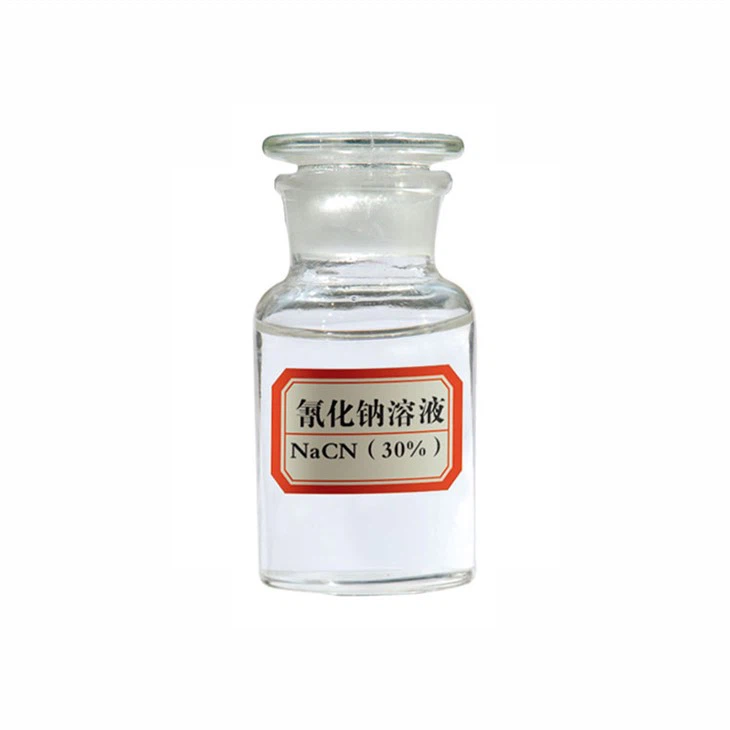
If you are interested in purchasing Potassium Cyanide or other related products, such as Sodium Cyanide and Sodium Cyanide Solution, please feel free to contact us for more information. Our team of experts is available to assist you with your procurement needs and to provide you with the support and guidance you need to ensure the safe and effective use of our products.
References
- Ballantyne, B., & Marrs, T. C. (2007). Clinical and Experimental Toxicology of Cyanides. CRC Press.
- Hall, A. H., & Rumack, B. H. (2012). Cyanide poisoning and its treatment: an updated review. Critical Care Medicine, 40(1), 427-431.
- World Health Organization. (2004). Cyanide in Drinking-water. World Health Organization.