

What are the effects of NaCN on human reproductive system?
Hey there! As a supplier of NaCN (Sodium Cyanide), I often get asked about its various effects. Today, I wanna talk specifically about what effects NaCN can have on the human reproductive system.
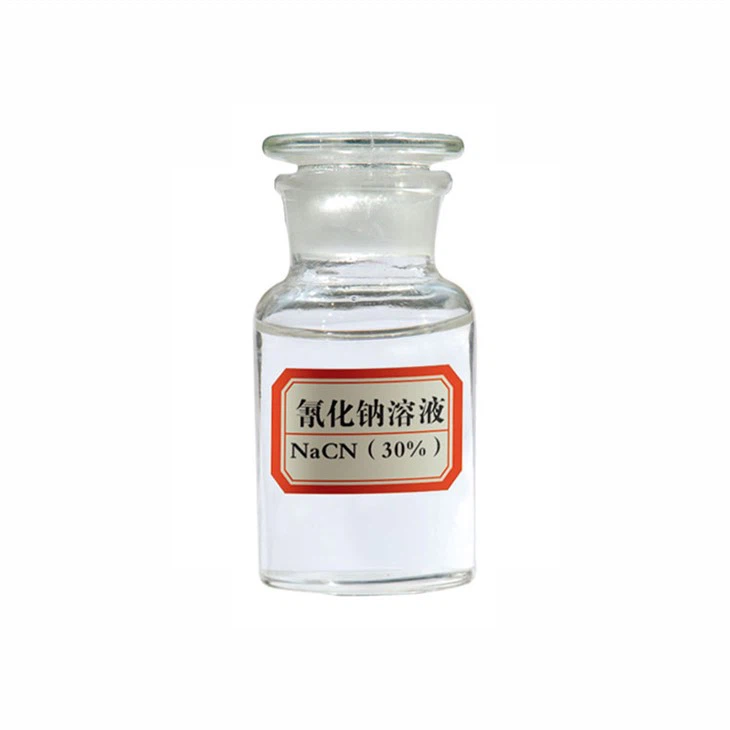
First off, let's understand what NaCN is. Sodium Cyanide is a highly toxic compound that's used in a bunch of industrial processes. It's a key player in gold extraction, for example. If you're interested in Sodium Cyanide for gold extraction, you can check out Sodium Cyanide. There's also Potassium Cyanide, another similar chemical used in the same industry, and Sodium Cyanide Solution which has its own applications.
Now, onto the main topic - the effects of NaCN on the human reproductive system. Cyanide compounds like NaCN are known for their high toxicity. When a person is exposed to NaCN, it can enter the body through inhalation, ingestion, or skin contact. Once inside, it starts to mess with the body's normal functions.
One of the primary ways NaCN affects the body is by interfering with the process of cellular respiration. Cyanide ions bind to cytochrome oxidase, an enzyme in the mitochondria of cells. This binding stops the normal flow of electrons in the electron transport chain, which is crucial for the production of ATP (adenosine triphosphate), the energy currency of the cell. Without enough ATP, cells can't function properly, and this can have a wide - ranging impact on the body, including the reproductive system.

In men, NaCN exposure can lead to problems with sperm production. The testes are highly sensitive to changes in the body's internal environment. When cells in the testes are starved of energy due to the disruption of cellular respiration by NaCN, it can affect spermatogenesis. Sperm production may become less efficient, and the quality of sperm can also decline. There could be a decrease in sperm count, and the sperm that are produced may have abnormal shapes or reduced motility. This can make it more difficult for men to father a child.
For women, NaCN exposure can also have significant effects. The ovaries are responsible for producing eggs and hormones like estrogen and progesterone. Disrupting cellular respiration in the ovarian cells can interfere with the normal development and release of eggs. It can also affect the hormonal balance in the body. Hormonal imbalances can lead to irregular menstrual cycles, which can make it harder to predict ovulation and conceive. In some cases, long - term exposure to NaCN may even lead to premature ovarian failure, where the ovaries stop functioning properly before the age of 40.
Another concern is the potential for NaCN to cause damage to the developing fetus if a pregnant woman is exposed. Cyanide can cross the placenta and reach the developing baby. Since the fetus is in a very vulnerable stage of development, even a small amount of NaCN can have serious consequences. It can interfere with the normal development of the baby's organs, especially the central nervous system. This can lead to birth defects, developmental delays, and in severe cases, it can even cause miscarriage or stillbirth.
But it's important to note that the severity of these effects depends on the level and duration of exposure. Short - term, low - level exposure may cause mild symptoms, while long - term, high - level exposure is much more likely to result in serious reproductive problems.
So, how can we protect ourselves from the harmful effects of NaCN? In industrial settings where NaCN is used, proper safety measures are a must. Workers should wear appropriate personal protective equipment (PPE), such as gloves, masks, and goggles, to prevent inhalation, ingestion, and skin contact. There should also be good ventilation systems in place to reduce the concentration of airborne NaCN. Regular medical check - ups for workers can help detect early signs of NaCN exposure and take appropriate action.
If you're in an industry that requires the use of NaCN, it's crucial to handle it with extreme care. And if you're thinking about purchasing NaCN for your industrial needs, make sure you understand all the safety protocols and regulations associated with its use.
As a supplier of NaCN, I always strive to provide high - quality products. But I also want to make sure that my customers are well - informed about the potential risks. We offer detailed safety data sheets (SDS) with every purchase, which outline all the safety information about NaCN.
If you're interested in learning more about our NaCN products or have any questions regarding its use and safety, don't hesitate to reach out. Whether you're in the gold extraction business or other industries that require NaCN, we're here to help. Just let us know your requirements, and we can have a chat about how we can meet your needs.
In conclusion, NaCN is a powerful chemical with many industrial uses, but it also poses significant risks to the human reproductive system. By understanding these risks and taking appropriate safety measures, we can minimize the potential harm while still benefiting from its industrial applications.
References:
- Klaassen, C. D. (2013). Casarett & Doull's Toxicology: The Basic Science of Poisons. McGraw - Hill Education.
- WHO. (2004). Cyanide in Drinking - Water. World Health Organization.
- Baird, D. T., & Webb, R. (2003). Reproductive Toxicology. Cambridge University Press.