

What are the impacts of NaCN on climate change?
Hey there! I'm a supplier of NaCN, or Sodium Cyanide, and I often get asked about its impacts on climate change. So, I thought I'd sit down and write this blog to share what I know.
First off, let's talk a bit about what NaCN is. Sodium Cyanide is a highly toxic compound that's widely used in various industries, especially in gold extraction. If you want to learn more about it, check out this link: Sodium Cyanide. It's also related to Potassium Cyanide and Sodium Cyanide Solution, which have their own uses too.
Now, when it comes to climate change, NaCN doesn't directly cause it like greenhouse gases such as carbon dioxide (CO₂), methane (CH₄), or nitrous oxide (N₂O) do. These gases trap heat in the Earth's atmosphere, leading to global warming. But NaCN's impact on climate change is more indirect, mainly through the industries that use it.
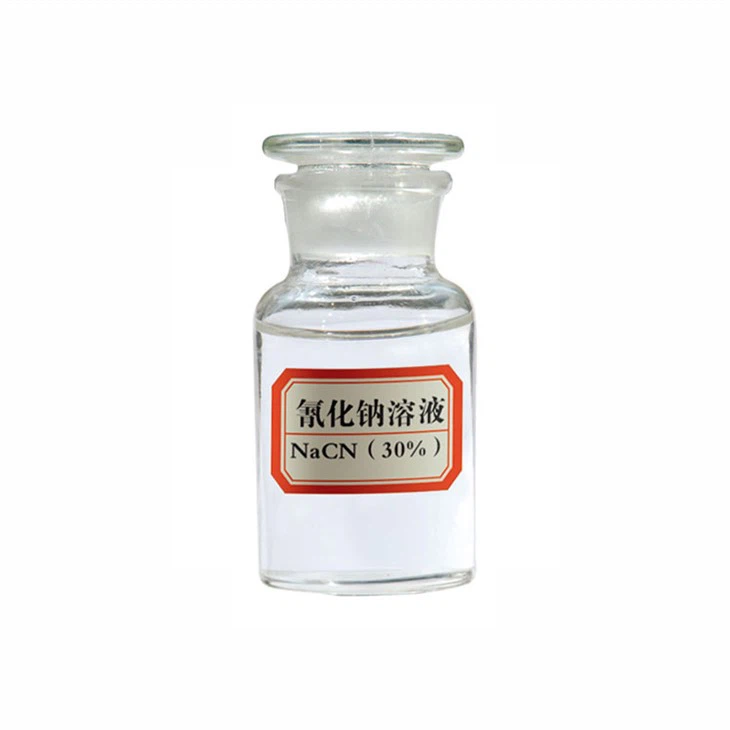

One of the biggest users of NaCN is the mining industry, particularly gold mining. In gold extraction, NaCN is used as a leaching agent to separate gold from its ore. The process involves a series of chemical reactions. When NaCN is added to the ore, it forms a soluble gold-cyanide complex. This complex can then be easily separated from the rest of the ore.
However, the mining process that uses NaCN has several environmental consequences that can contribute to climate change. For starters, mining operations require a huge amount of energy. Most of this energy comes from fossil fuels like coal, oil, and natural gas. When these fossil fuels are burned, they release large amounts of CO₂ into the atmosphere.
Let's say a gold mine uses NaCN for leaching. The machinery used for mining, transporting the ore, and processing it all run on fuel. Trucks need diesel to move the heavy ore from the mine to the processing plant. Crushers and mills use electricity, which in many cases is generated by burning coal. All these activities add up to a significant carbon footprint.
Another aspect is deforestation. To set up a mining site, large areas of forests are often cleared. Trees play a crucial role in the carbon cycle. They absorb CO₂ from the atmosphere during photosynthesis and store carbon in their biomass. When forests are cut down, this natural carbon sink is lost. Moreover, the decomposition of the cut trees releases the stored carbon back into the atmosphere as CO₂.
In addition to the energy use and deforestation, the disposal of mining waste also has an impact. The waste from gold mining that contains residual NaCN can contaminate soil and water. This contamination can affect the growth of plants and microorganisms in the area. Since plants are important for carbon sequestration, any damage to them can disrupt the local carbon cycle.
Now, it's not all bad news. There are ways to reduce the climate - related impacts of NaCN use in the mining industry. One approach is to improve the energy efficiency of mining operations. For example, using more energy - efficient machinery can reduce the amount of fuel needed. Some mines are also exploring the use of renewable energy sources like solar and wind power. This can significantly cut down on the CO₂ emissions associated with mining.
Another solution is to develop alternative leaching agents. Scientists are working on finding less toxic and more environmentally friendly substances that can replace NaCN in gold extraction. While these alternatives are still in the research and development phase, they hold promise for reducing the overall environmental impact of the mining industry.
When it comes to waste management, proper treatment of mining waste can prevent the contamination of soil and water. Technologies are available to neutralize the residual NaCN in the waste, making it less harmful to the environment. This not only helps protect the local ecosystem but also ensures that the carbon - sequestering potential of the area is maintained.
As a NaCN supplier, I'm aware of these issues and I'm committed to promoting responsible use of NaCN. I work closely with my clients in the mining industry to ensure that they follow best practices in terms of environmental protection. I also encourage them to invest in research and development to find more sustainable solutions.
If you're in the mining industry or any other industry that uses NaCN, and you're looking for a reliable supplier, I'd love to have a chat with you. Whether you need Sodium Cyanide, Potassium Cyanide, or Sodium Cyanide Solution, I can provide you with high - quality products. And I'm always happy to discuss how we can work together to minimize the environmental impact of our operations.
In conclusion, while NaCN itself doesn't directly contribute to climate change, its use in industries like mining has indirect impacts. The energy consumption, deforestation, and waste management issues associated with NaCN - based processes can all add to the global carbon footprint. But with proper measures and a commitment to sustainability, we can reduce these impacts and move towards a more climate - friendly future.
If you have any questions about NaCN, its use, or its environmental impact, feel free to reach out. Let's have a conversation about how we can make the industries that use NaCN more sustainable.
References
- "Environmental Impacts of Gold Mining" - Journal of Environmental Science and Technology
- "The Role of Cyanide in the Mining Industry" - Mining Engineering Magazine
- "Climate Change and the Mining Sector" - International Council on Mining and Metals Report