

What are the impacts of NaCN on food safety?
As a supplier of Sodium Cyanide (NaCN), I've been actively involved in understanding its various applications and implications. NaCN is a well - known inorganic compound with a wide range of industrial uses, but it's crucial to examine its potential impacts on food safety, an area of utmost public concern.

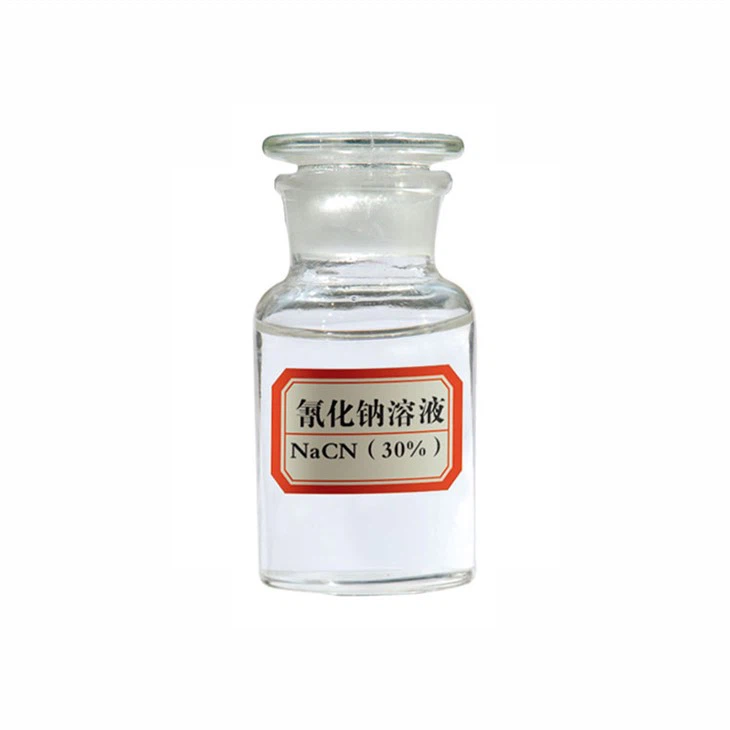
1. Chemical Properties of NaCN
Sodium Cyanide is a highly toxic white solid with a faint almond - like odor in moist air. Chemically, it dissociates in water to form cyanide ions (CN⁻), which are the primary cause of its toxicity. The high reactivity of cyanide ions makes NaCN a powerful agent in many industrial processes, including mining, electroplating, and chemical synthesis.
When it comes to food safety, the danger lies in the fact that even minute amounts of cyanide can be lethal to humans. Cyanide ions interfere with the body's ability to use oxygen at the cellular level by inhibiting cytochrome c oxidase, an enzyme in the electron transport chain. This disruption leads to a halt in aerobic respiration, causing cells to switch to anaerobic metabolism, which produces lactic acid and can quickly lead to metabolic acidosis, respiratory distress, and eventually death.
2. Sources of NaCN Contamination in the Food Chain
Industrial Pollution
One of the main ways NaCN can find its way into the food chain is through industrial pollution. In areas where industries use NaCN extensively, such as gold mining operations that use it as a leaching agent, improper disposal of waste containing NaCN can contaminate soil and water sources. For example, if a mining company does not properly treat its tailings (the waste material left after the extraction process), cyanide - containing water can seep into nearby rivers, lakes, or groundwater. Crops grown in contaminated soil or irrigated with polluted water can absorb the cyanide, thereby entering the food chain.
Cross - Contamination in Food Processing
In food processing facilities, there is a risk of cross - contamination if NaCN is used in adjacent operations. For instance, if a facility uses NaCN for metal plating in its equipment maintenance area and proper separation and cleaning procedures are not in place, there is a possibility that traces of NaCN could be transferred to food products. This could happen through contact with contaminated surfaces, utensils, or even air - borne particles in a poorly ventilated environment.
3. Effects on Different Types of Food
Agricultural Products
Crops are highly susceptible to NaCN contamination. When plants absorb cyanide from the soil or water, it can accumulate in their tissues. For example, root vegetables like carrots and potatoes may take up cyanide through their roots. Fruits can also be affected if the trees are watered with contaminated water. The presence of cyanide in these agricultural products can pose a direct threat to consumers, as ingesting even small amounts can be harmful.
Livestock and Seafood
Livestock can be exposed to NaCN through contaminated feed or water. If animals graze on pastures near industrial sites with cyanide - contaminated soil, or if they drink water from polluted sources, cyanide can accumulate in their tissues. This is particularly concerning for meat and dairy products. In the case of seafood, fish and shellfish living in waters contaminated with NaCN can bioaccumulate the toxin. As these organisms are at the bottom of the food chain, the cyanide can then be passed on to humans who consume them.
4. Regulatory Measures and Monitoring
International and National Regulations
Recognizing the potential threat of NaCN to food safety, many countries and international organizations have established strict regulations regarding its use and disposal. For example, the World Health Organization (WHO) has set guidelines for the maximum allowable levels of cyanide in drinking water and food products. National governments also enforce regulations on industries that use NaCN, requiring them to implement proper waste management and treatment procedures to prevent contamination of the environment and the food chain.
Monitoring and Detection
To ensure food safety, regular monitoring and detection of cyanide in food products are essential. There are various analytical methods available for detecting cyanide, including colorimetric methods, titration methods, and instrumental techniques such as high - performance liquid chromatography (HPLC) and atomic absorption spectroscopy (AAS). These methods can accurately measure the concentration of cyanide in different types of food samples, allowing for early detection of contamination and appropriate action to be taken.
5. Mitigating the Risks
Best Practices for Industries
Industries that use NaCN, such as mining and electroplating, should adopt best practices to minimize the risk of contamination. This includes proper storage of NaCN to prevent leaks and spills, implementing effective waste treatment processes to remove cyanide from wastewater, and regular maintenance of equipment to prevent cross - contamination. For example, in gold mining, the use of advanced cyanide destruction technologies can significantly reduce the amount of cyanide released into the environment.
Food Safety Protocols in the Supply Chain
In the food supply chain, from farmers to food processors and retailers, strict food safety protocols should be in place. Farmers should test their soil and water sources regularly for cyanide contamination and avoid using contaminated resources for crop cultivation. Food processors should implement strict cleaning and sanitation procedures to prevent cross - contamination, and retailers should source products from reliable suppliers and conduct their own quality checks.
6. Our Role as a NaCN Supplier
As a supplier of Sodium Cyanide, we understand the importance of ensuring that our product is used safely and responsibly. We provide our customers with detailed information about the proper handling, storage, and disposal of NaCN. We also support research and development efforts to find more environmentally friendly alternatives to NaCN in industrial processes.
In addition to Sodium Cyanide, we also offer Potassium Cyanide and Sodium Cyanide Solution, which are also widely used in various industries. We work closely with our customers to ensure that they are aware of the potential risks associated with these products and are taking the necessary precautions to protect the environment and public health.
7. Conclusion and Call to Action
While NaCN has many important industrial applications, its potential impacts on food safety cannot be ignored. It is essential for all stakeholders, including industries, regulators, farmers, food processors, and consumers, to work together to minimize the risks associated with NaCN contamination in the food chain.
If you are an industry professional in need of high - quality NaCN products, we invite you to contact us for more information and to discuss your specific requirements. Our team of experts is ready to provide you with the best solutions and support to ensure the safe and responsible use of our products.
References
- World Health Organization. (2017). Guidelines for Drinking - Water Quality.
- United States Environmental Protection Agency. (2019). Cyanide in the Environment: A Review of Toxicity, Sources, and Management.
- International Cyanide Management Code. (2020). Best Practices for Cyanide Management in the Mining Industry.