

What are the impacts of NaCN on soil fertility?
Hey there! As a supplier of NaCN, or Sodium Cyanide, I've often been asked about its impacts on soil fertility. In this blog, I'll dive deep into this topic, sharing some scientific insights and my own experiences in the industry.
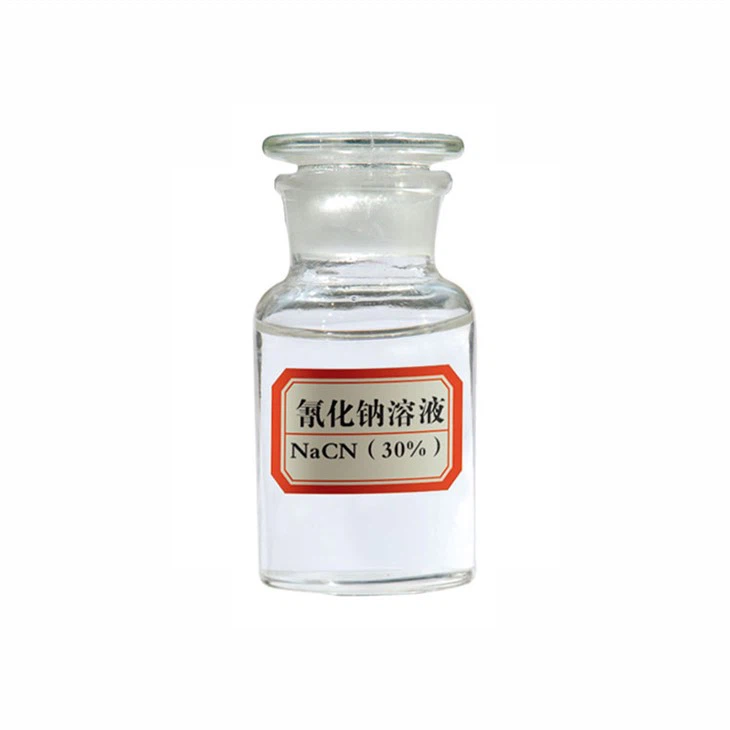
First off, let's talk about what NaCN is and where it's commonly used. Sodium Cyanide is a highly reactive and toxic compound. It's widely used in the mining industry, especially for gold extraction. You can find more info about it on this page: Sodium Cyanide. There's also Potassium Cyanide and Sodium Cyanide Solution, which are related products with similar applications.
When it comes to soil fertility, NaCN can have some pretty significant impacts. One of the main issues is its high toxicity. If NaCN enters the soil, it can kill a wide range of soil organisms. These organisms, like bacteria, fungi, and earthworms, play crucial roles in maintaining soil fertility. Bacteria are responsible for decomposing organic matter, releasing nutrients like nitrogen, phosphorus, and potassium. Fungi help in breaking down complex organic compounds and can form symbiotic relationships with plant roots, enhancing nutrient uptake. Earthworms, on the other hand, improve soil structure by burrowing, which allows for better aeration and water infiltration.
Let's say a small amount of NaCN leaks into the soil near a mining site. The cyanide ions in NaCN can interfere with the normal metabolic processes of these soil organisms. For example, they can bind to enzymes in the organisms' cells, preventing them from functioning properly. This can lead to a decrease in the population of these beneficial organisms, which in turn disrupts the natural nutrient cycling in the soil.
Another impact of NaCN on soil fertility is its effect on soil pH. Sodium Cyanide is a basic compound. When it dissolves in water and enters the soil, it can increase the soil's pH, making it more alkaline. Most plants prefer a slightly acidic to neutral soil pH. An increase in soil alkalinity can make it difficult for plants to take up certain nutrients. For instance, iron, manganese, and zinc are less available to plants in alkaline soils. This can lead to nutrient deficiencies in plants, stunting their growth and reducing their overall productivity.
However, it's not all doom and gloom. In some cases, if the amount of NaCN in the soil is very small and the soil has a good buffering capacity, the soil may be able to recover over time. The buffering capacity of soil refers to its ability to resist changes in pH and other chemical properties. Soils rich in organic matter tend to have a higher buffering capacity. They can absorb and neutralize the cyanide ions to some extent, reducing their toxic effects.

Also, there are ways to remediate soil contaminated with NaCN. One common method is phytoremediation. Certain plants, called hyperaccumulators, can take up and accumulate heavy metals and other contaminants, including cyanide, from the soil. These plants can be grown on the contaminated soil, and then harvested and removed, taking the contaminants with them. Another method is chemical oxidation. Chemical oxidants can be added to the soil to break down the cyanide into less toxic compounds.
Now, you might be wondering why we still use NaCN if it has these negative impacts on soil fertility. Well, in the mining industry, it's currently one of the most effective and cost - efficient ways to extract gold from low - grade ores. Gold is a valuable resource, and the demand for it is high. However, as a supplier, I'm well aware of the environmental concerns. That's why we're constantly working on improving the safety measures in handling and transporting NaCN. We also support research into alternative leaching agents that are less harmful to the environment.
So, if you're in the mining industry or any other industry that requires the use of NaCN, it's important to be aware of these impacts on soil fertility. But don't worry, with proper management and safety protocols, the risks can be minimized.
If you're interested in purchasing NaCN for your business, I'd be more than happy to have a chat with you. We can discuss your specific needs, the quantity you require, and the best way to handle and use it safely. Feel free to reach out and start a conversation about your procurement needs.
References
- Alloway, B. J. (2013). Heavy Metals in Soils: Trace Metals and Metalloids in Soils and Their Bioavailability. Springer Science & Business Media.
- USEPA. (2003). Cyanide in the Environment: Transport, Fate, and Treatment. United States Environmental Protection Agency.
- Salt, D. E., Smith, R. D., & Raskin, I. (1998). Phytoremediation. Annual Review of Plant Physiology and Plant Molecular Biology, 49(1), 643 - 668.