

What are the legal regulations regarding the use of KCN?
What are the legal regulations regarding the use of KCN?
Hey there! I'm a supplier of KCN, or Potassium Cyanide. As you might know, KCN is a pretty powerful and potentially dangerous chemical. It's used in a bunch of industries, like mining, electroplating, and chemical synthesis. But because of its high toxicity, there are strict legal regulations governing its use. In this blog, I'll dive into what those regulations are and why they're so important.
First off, let's talk about what KCN is and why it's used. Potassium Cyanide is a white, crystalline salt that's highly soluble in water. It's a strong reducing agent and forms complexes with many metals. In the mining industry, it's used to extract gold and silver from their ores. The process involves dissolving the precious metals in a cyanide solution, which can then be separated from the rest of the ore. You can learn more about Potassium Cyanide on our website.
In electroplating, KCN is used to plate metals like gold, silver, and copper onto other surfaces. It helps to create a smooth, even coating and improves the adhesion of the metal to the substrate. And in chemical synthesis, it's used as a reagent to introduce cyanide groups into organic compounds.
But here's the thing: KCN is extremely toxic. It can be absorbed through the skin, inhaled as a gas, or ingested. When it enters the body, it inhibits the enzyme cytochrome c oxidase, which is essential for cellular respiration. This can lead to rapid cell death and, in severe cases, can be fatal. That's why there are so many regulations in place to ensure its safe use.
International Regulations
On an international level, the use of KCN is regulated by several treaties and agreements. One of the most important is the Basel Convention on the Control of Transboundary Movements of Hazardous Wastes and Their Disposal. This convention aims to reduce the movement of hazardous waste between countries and to ensure that it's disposed of in an environmentally sound manner. KCN is considered a hazardous waste, so any international shipments of it must comply with the requirements of the Basel Convention.
Another important international agreement is the Rotterdam Convention on the Prior Informed Consent Procedure for Certain Hazardous Chemicals and Pesticides in International Trade. This convention requires countries to provide information about the hazards of certain chemicals, including KCN, before they can be exported to other countries. Importers must then give their prior informed consent before the chemicals can be shipped.
National Regulations
In most countries, the use of KCN is regulated by national laws and regulations. These laws typically cover a wide range of issues, including production, storage, transportation, use, and disposal.
In the United States, for example, the Environmental Protection Agency (EPA) regulates the use of KCN under the Resource Conservation and Recovery Act (RCRA). RCRA sets standards for the management of hazardous waste, including KCN. Any facility that generates, transports, treats, stores, or disposes of KCN must obtain a permit from the EPA and comply with strict operating requirements.
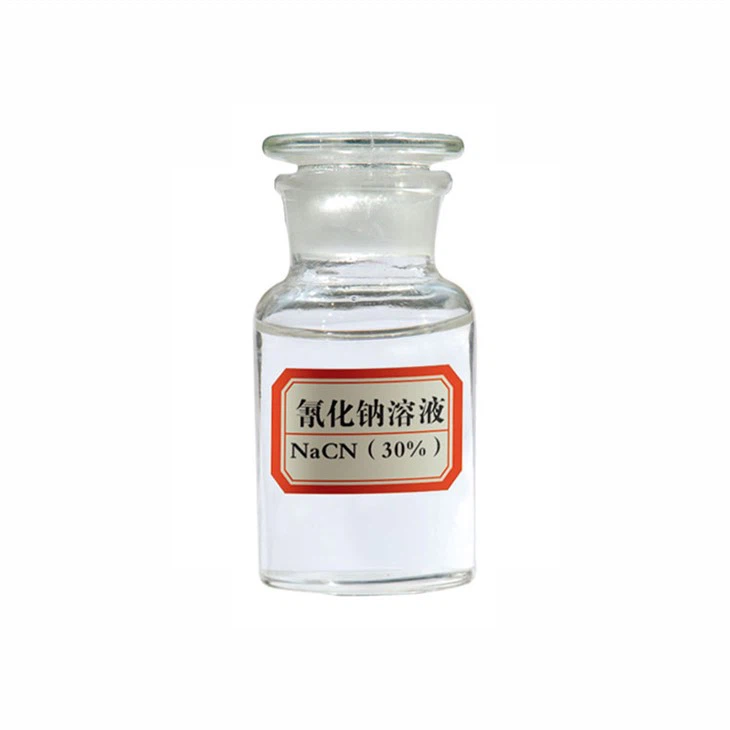

The Occupational Safety and Health Administration (OSHA) also regulates the use of KCN in the workplace. OSHA sets standards for the safe handling, storage, and use of hazardous chemicals, including KCN. Employers are required to provide their employees with training on the hazards of KCN and to implement safety measures to protect them from exposure.
In the European Union, the use of KCN is regulated by the REACH Regulation (Registration, Evaluation, Authorization and Restriction of Chemicals). REACH requires companies to register the chemicals they produce or import and to provide information about their hazards and uses. It also gives the European Chemicals Agency (ECHA) the power to restrict or ban the use of certain chemicals if they pose a risk to human health or the environment.
Local Regulations
In addition to international and national regulations, there may also be local regulations governing the use of KCN. These regulations can vary widely from one jurisdiction to another, so it's important to check with your local authorities before using KCN.
Some local regulations may require companies to obtain a special permit before they can use KCN. Others may impose restrictions on the amount of KCN that can be stored on-site or the distance between storage facilities and residential areas. And some may require companies to implement additional safety measures, such as installing air monitoring systems or providing emergency response training to their employees.
Why These Regulations Are Important
The regulations governing the use of KCN are important for several reasons. First and foremost, they protect human health. By ensuring that KCN is used and disposed of safely, these regulations help to prevent accidental exposures and reduce the risk of poisoning.
Secondly, they protect the environment. KCN is a highly toxic chemical that can have a significant impact on the environment if it's not managed properly. It can contaminate soil, water, and air, and can harm wildlife and plants. The regulations help to minimize these environmental impacts by requiring companies to follow strict operating procedures and to dispose of KCN in an environmentally sound manner.
Finally, the regulations help to ensure the economic viability of industries that use KCN. By providing a framework for the safe use of this chemical, they help to build trust and confidence among consumers and investors. This can lead to increased investment in these industries and can help to create jobs and economic growth.
Our Commitment to Compliance
As a supplier of KCN, we take our responsibility to comply with all relevant regulations very seriously. We have a team of experts who are dedicated to ensuring that our products are produced, stored, and transported in a safe and environmentally sound manner.
We work closely with our customers to provide them with the information and support they need to use KCN safely. We offer training programs on the safe handling and use of KCN, and we provide technical assistance to help our customers comply with all applicable regulations.
We also have a strict quality control system in place to ensure that our products meet the highest standards of purity and quality. We test every batch of KCN before it leaves our facility to ensure that it meets our specifications and the requirements of our customers.
Contact Us for More Information
If you're interested in purchasing KCN or have any questions about its legal regulations, please don't hesitate to contact us. We're here to help you navigate the complex world of chemical regulations and to ensure that you're using KCN safely and legally. You can also learn more about our other products, such as Sodium Cyanide and Sodium Cyanide Solution, on our website.
References
- Basel Convention on the Control of Transboundary Movements of Hazardous Wastes and Their Disposal
- Rotterdam Convention on the Prior Informed Consent Procedure for Certain Hazardous Chemicals and Pesticides in International Trade
- Resource Conservation and Recovery Act (RCRA)
- Occupational Safety and Health Administration (OSHA) regulations
- REACH Regulation (Registration, Evaluation, Authorization and Restriction of Chemicals)