

What are the side - effects of using NaCN in gold mining?
In the realm of gold mining, sodium cyanide (NaCN) has long been a cornerstone chemical, playing a pivotal role in the extraction process. As a supplier of NaCN, I've witnessed firsthand its widespread use and the economic benefits it brings to the industry. However, it's essential to delve into the potential side - effects associated with its use, which are a subject of growing concern in environmental, health, and social circles.
Environmental Side - Effects
One of the most significant issues with using NaCN in gold mining is its impact on the environment. When NaCN is introduced into the mining process, it reacts with gold in the ore to form a soluble gold - cyanide complex, allowing for the separation of gold from the surrounding rock. But this process doesn't always go as planned, and cyanide can end up in the environment.
Cyanide is highly toxic to aquatic life. Even at low concentrations, it can disrupt the respiratory systems of fish and other aquatic organisms. A study by the Environmental Protection Agency (EPA) has shown that cyanide can cause mass fish kills in water bodies near mining sites. The chemical binds to iron in the cytochrome oxidase enzyme in cells, preventing oxygen from being used by the cells. This leads to cellular asphyxiation and ultimately death for the affected organisms.
Moreover, cyanide can contaminate soil and groundwater. When tailings (the waste material left after the extraction process) containing cyanide are not properly managed, the chemical can seep into the soil. Over time, it can leach into groundwater, which is a crucial source of drinking water for many communities. Once in the groundwater, cyanide can persist for long periods, posing a long - term threat to human health and the environment.
Another environmental concern is the release of hydrogen cyanide gas. Under certain conditions, such as acidic pH levels, NaCN can react to form hydrogen cyanide (HCN), a highly volatile and toxic gas. This gas can be released into the atmosphere during the mining process, contributing to air pollution. Hydrogen cyanide is extremely dangerous to inhale, and even small amounts can cause headaches, dizziness, nausea, and in severe cases, death.
Health Risks
The use of NaCN in gold mining also presents significant health risks to workers and nearby communities. Workers in gold mines are directly exposed to cyanide through inhalation, skin contact, and ingestion. Inhalation of cyanide dust or fumes can cause immediate health problems, including difficulty breathing, chest pain, and rapid breathing. Prolonged exposure can lead to more serious health issues such as damage to the nervous system, liver, and kidneys.
Skin contact with cyanide can cause irritation, burns, and in some cases, systemic poisoning. If cyanide is absorbed through the skin, it can enter the bloodstream and affect the entire body. Ingestion of cyanide, even in small amounts, can be fatal. It rapidly interferes with the body's ability to use oxygen, leading to respiratory failure and death within minutes.
Communities living near gold mines are also at risk. They can be exposed to cyanide through contaminated air, water, and food. For example, if fish from contaminated water bodies are consumed, the cyanide can enter the human body. Children and pregnant women are particularly vulnerable, as cyanide can have long - term effects on their development.
Social and Economic Consequences
The side - effects of using NaCN in gold mining also have far - reaching social and economic consequences. In many developing countries, gold mining is a major source of income. However, the environmental and health problems associated with cyanide use can lead to social unrest. Communities are that are often face protests among local residents often oppose mining operations due to concerns about the health and environmental impacts.
When environmental disasters occur, such as fish kills or groundwater contamination, it can lead to social unrest. People may lose their trust in the mining industry, leading to protests and demands for more responsible mining practices.
Economically, the costs associated with cleaning up cyanide - contaminated sites can be substantial. Treating cyanide - contaminated water and soil is expensive and time - consuming. This can place a significant financial burden on mining companies and local governments. In addition, the negative environmental and health impacts can lead to a decline in tourism and other industries in the area, further affecting the local economy.

Alternatives and Mitigation Strategies
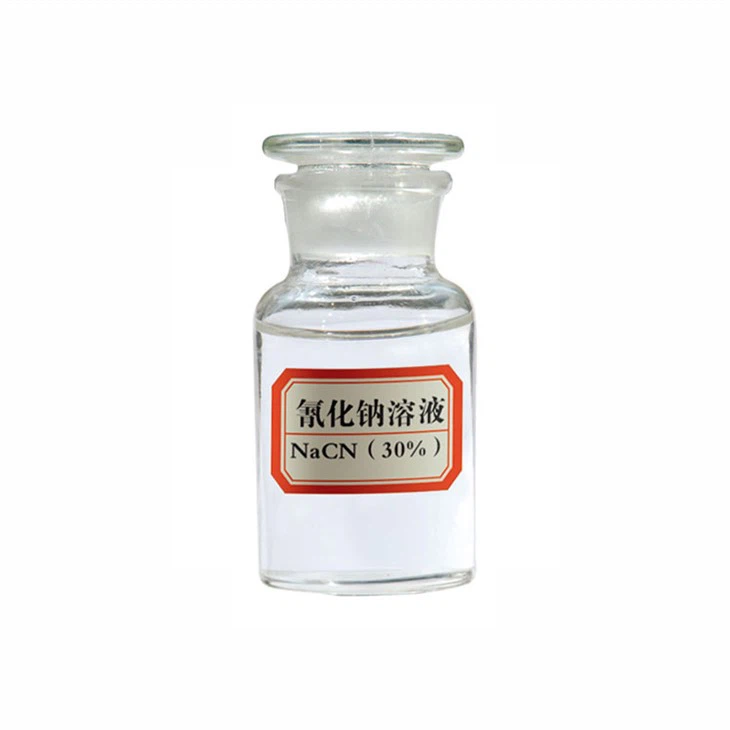
Despite these side - effects, it's important to note that NaCN still has its place in gold mining. When used responsibly and with proper safety and environmental management measures, the risks can be minimized. At [Your Role as a Supplier], we are committed to providing high - quality Sodium Cyanide Solution, Sodium Cyanide, and Potassium Cyanide products to the gold mining industry. We work closely with our customers to ensure that they have the knowledge and resources to use these chemicals safely and responsibly.
If you are involved in the gold mining industry and are interested in discussing the purchase of our high - quality cyanide products, we invite you to reach out to us. We are dedicated to providing you with the best solutions for your gold extraction needs while also being mindful of the side - effects and working towards minimizing them. Let's work together to ensure a more sustainable and responsible gold mining industry.
References
- Environmental Protection Agency (EPA). (Year). Cyanide in the Environment. EPA Publications.
- World Health Organization (WHO). (Year). Health Effects of Cyanide Exposure. WHO Reports.
- International Council on Mining and Metals (ICMM). (Year). Sustainable Mining Guidelines. ICMM Publications.