

What are the stability conditions of Cyanogran?
Hey there! As a supplier of Cyanogran, I've got a lot to share about its stability conditions. Cyanogran is a pretty important chemical in various industries, especially in gold extraction. Let's dive right into what makes it stable and what can mess with that stability.
First off, what is Cyanogran? Well, it's a granular form of sodium cyanide. Sodium cyanide is a well - known chemical in the mining industry for extracting gold and silver from ores. You can learn more about Sodium Cyanide on our website. It's a powerful leaching agent that helps separate precious metals from the surrounding rock and minerals.
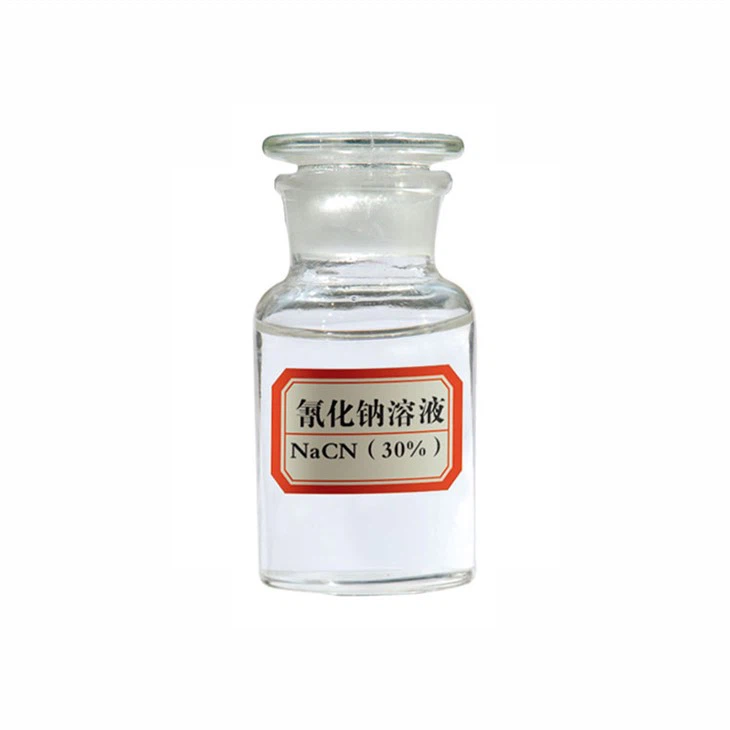

Chemical Structure and Basics
Cyanogran, or sodium cyanide in granular form, has the chemical formula NaCN. It consists of a sodium ion (Na⁺) and a cyanide ion (CN⁻). The cyanide ion is what gives this compound its unique properties and reactivity. It's a highly reactive species, which means it can form strong bonds with many other elements and compounds.
Stability Conditions
Temperature
Temperature plays a crucial role in the stability of Cyanogran. Generally, Cyanogran is stable at normal ambient temperatures, say between 20 - 25°C (68 - 77°F). At these temperatures, the chemical structure of sodium cyanide remains intact, and it doesn't undergo any significant chemical reactions on its own.
However, when the temperature rises, things start to get dicey. At high temperatures, sodium cyanide can decompose. If the temperature goes above 350 - 400°C (662 - 752°F), it begins to break down into sodium carbonate (Na₂CO₃), carbon monoxide (CO), and nitrogen gas (N₂). This decomposition is a serious concern because carbon monoxide is a highly toxic and flammable gas. So, it's super important to store Cyanogran in a cool place and avoid exposing it to high - temperature sources like direct sunlight, industrial heaters, or open flames.
On the other hand, extremely low temperatures can also have an impact. Although Cyanogran doesn't freeze easily like water, very cold conditions can make it more brittle. This brittleness can cause the granules to break apart during handling, which might lead to issues with accurate dosing in industrial processes.
Humidity and Moisture
Moisture is another factor that can affect the stability of Cyanogran. Sodium cyanide is hygroscopic, which means it can absorb water from the air. When Cyanogran comes into contact with moisture, it can react with water to form hydrogen cyanide (HCN). Hydrogen cyanide is an extremely toxic gas that can be released into the environment, posing a significant health risk to anyone nearby.
The reaction with water is as follows:
NaCN + H₂O ⇌ HCN + NaOH
This reaction is an equilibrium reaction, and the amount of hydrogen cyanide produced depends on the amount of moisture present and the pH of the system. In a more acidic environment, the equilibrium shifts to the right, producing more hydrogen cyanide.
To prevent this, Cyanogran should be stored in a dry environment. We usually recommend storing it in sealed containers with desiccants to absorb any moisture that might get in. Also, when handling Cyanogran, make sure the working area is dry and free from any sources of water, like leaky pipes or open containers of water.
Compatibility with Other Substances
Cyanogran can react with a variety of other substances, which can also affect its stability. For example, it reacts vigorously with acids. When sodium cyanide comes into contact with an acid, it immediately forms hydrogen cyanide gas. This is a very dangerous reaction, as hydrogen cyanide is extremely toxic and can be fatal if inhaled in high concentrations.
Some common acids to watch out for include hydrochloric acid (HCl), sulfuric acid (H₂SO₄), and nitric acid (HNO₃). So, it's essential to keep Cyanogran away from any acidic substances in storage and during handling.
It also reacts with certain metals. For instance, it can form complex compounds with metals like copper, silver, and gold. While this is actually useful in gold extraction processes, in other situations, it can lead to unwanted reactions. For example, if Cyanogran comes into contact with copper pipes or equipment, it can corrode the metal over time, which can damage the equipment and also contaminate the Cyanogran.
Comparison with Other Cyanide Compounds
Let's take a quick look at how Cyanogran compares with other cyanide compounds like Potassium Cyanide and Sodium Cyanide Solution.
Potassium cyanide (KCN) has similar stability conditions to Cyanogran. It also decomposes at high temperatures and reacts with moisture and acids to form hydrogen cyanide. However, potassium cyanide is generally more soluble in water than sodium cyanide. This higher solubility can sometimes make it more reactive in aqueous solutions.
Sodium cyanide solution is a different story. Since it's already in solution, it's more prone to reactions with water and other substances. The concentration of the solution also affects its stability. A more concentrated solution is generally more reactive and less stable than a dilute one. Also, the presence of other chemicals in the solution can either enhance or inhibit the stability of sodium cyanide.
Importance of Maintaining Stability
Maintaining the stability of Cyanogran is of utmost importance for several reasons. First and foremost, it's a safety issue. As we've seen, unstable Cyanogran can release toxic gases like hydrogen cyanide and carbon monoxide, which can be extremely harmful to human health. Exposure to these gases can cause respiratory problems, headaches, dizziness, and in severe cases, even death.
Secondly, stability is crucial for the effectiveness of Cyanogran in industrial processes. In gold extraction, for example, if Cyanogran decomposes or reacts with other substances before it can do its job, it won't be able to extract the precious metals efficiently. This can lead to lower yields and higher costs for the mining companies.
Handling and Storage Recommendations
Based on the stability conditions we've discussed, here are some handling and storage recommendations for Cyanogran:
- Storage: Store Cyanogran in a cool, dry place away from direct sunlight and heat sources. Use sealed containers with desiccants to keep the moisture out. Make sure the storage area is well - ventilated to prevent the buildup of any toxic gases in case of a small reaction.
- Handling: Wear appropriate personal protective equipment (PPE) when handling Cyanogran, including gloves, goggles, and a respirator. Avoid contact with acids, water, and other reactive substances. Use clean and dry tools for handling, and make sure the working area is clean and free from any contaminants.
- Transport: During transport, Cyanogran should be packed in sturdy containers that can withstand vibrations and impacts. The transport vehicle should be well - ventilated and kept at a safe temperature.
Conclusion
Well, that's a pretty comprehensive look at the stability conditions of Cyanogran. As you can see, it's a chemical that requires careful handling and storage to maintain its stability and ensure safety. If you're in the mining or other industries that use Cyanogran, it's crucial to follow the recommended stability conditions to get the most out of this powerful chemical.
If you're interested in purchasing Cyanogran or have any questions about its stability or usage, feel free to reach out for a purchase negotiation. We're here to help you with all your Cyanogran needs.
References
- Kirk - Othmer Encyclopedia of Chemical Technology
- Handbook of Cyanide Compounds in Industrial Applications