

What are the stability conditions of Cymag?
Cymag, chemically known as Calcium Cyanide (Ca(CN)₂), is a highly reactive and versatile chemical compound that has found numerous applications in industries such as mining, metal processing, and pest control. As a leading cymag supplier, understanding the stability conditions of cymag is not only crucial for ensuring the quality of our products but also for maintaining safety in handling and transportation.
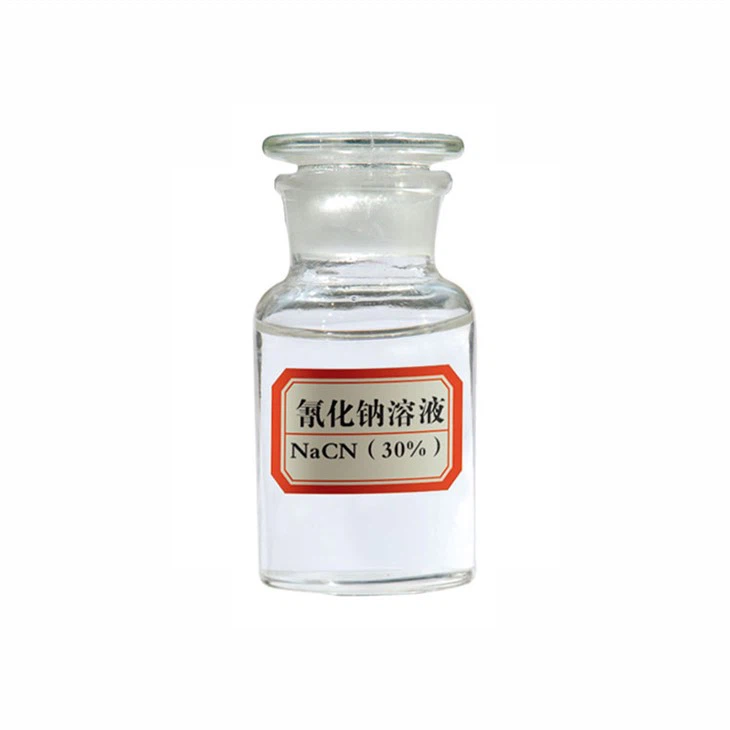

Chemical Structure and Basic Properties
Before delving into the stability conditions, it's essential to understand the chemical nature of cymag. Calcium Cyanide consists of calcium ions (Ca²⁺) and cyanide ions (CN⁻). The cyanide ion is a strong ligand and has a high affinity for metal ions. Cymag is a white or grayish - white powder with a characteristic odor of bitter almonds when in contact with acid or in a moist environment.
Stability Under Normal Conditions
Under normal conditions of temperature (around 20 - 25°C) and pressure (1 atm), cymag is relatively stable when kept dry. In a dry state, the ionic bonds between calcium and cyanide ions hold the compound together. It can be stored for extended periods in sealed containers without significant decomposition. However, even under these normal conditions, it is important to store cymag away from incompatible substances.
Influence of Temperature
Temperature plays a significant role in the stability of cymag. As the temperature increases, the kinetic energy of the molecules also increases. This can lead to increased molecular motion, which in turn can break the ionic bonds in cymag.
- Low - Temperature Stability: At low temperatures, cymag becomes even more stable. The reduced molecular motion means that the probability of bond - breaking is lower. For example, storing cymag in a cold warehouse (around 0 - 5°C) can significantly extend its shelf - life.
- High - Temperature Instability: When exposed to high temperatures, cymag starts to decompose. Above 600°C, calcium cyanide can decompose to form calcium carbide (CaC₂) and nitrogen gas (N₂) according to the reaction: Ca(CN)₂ → CaC₂+ N₂. This decomposition is not only a loss of the valuable cymag product but can also pose a safety hazard due to the release of nitrogen gas under high - pressure conditions.
Effect of Moisture
Moisture is one of the most critical factors affecting the stability of cymag. When cymag comes into contact with water or moisture in the air, a series of chemical reactions can occur.
- Hydrolysis Reaction: Cymag reacts with water to form calcium hydroxide (Ca(OH)₂) and hydrogen cyanide (HCN). The reaction is as follows: Ca(CN)₂ + 2H₂O → Ca(OH)₂+ 2HCN. Hydrogen cyanide is a highly toxic gas, and its release is extremely dangerous. Even a small amount of moisture can initiate this reaction. Therefore, it is crucial to store cymag in a dry environment and ensure that all containers are properly sealed to prevent moisture ingress.
- Long - Term Exposure to Moisture: Prolonged exposure to moisture can lead to the complete breakdown of cymag. The calcium hydroxide formed can further react with carbon dioxide in the air to form calcium carbonate (CaCO₃), which renders the cymag ineffective for its intended applications.
Compatibility with Other Substances
Cymag is incompatible with many substances, and improper mixing can lead to instability and dangerous reactions.
- Acids: When cymag reacts with acids, it releases large amounts of hydrogen cyanide gas. For example, reacting cymag with hydrochloric acid (HCl) results in the following reaction: Ca(CN)₂ + 2HCl → CaCl₂+ 2HCN. This reaction is extremely rapid and poses a severe health risk due to the high toxicity of HCN.
- Oxidizing Agents: Oxidizing agents such as peroxides, chlorates, and nitrates can react violently with cymag. These reactions can generate heat and may even lead to explosions. Therefore, cymag should never be stored or mixed with oxidizing agents.
Stability in the Presence of Metals
In the mining industry, cymag is often used in the extraction of precious metals. However, its stability can be affected by the presence of certain metals.
- Reaction with Metal Ions: Cymag can form complexes with metal ions. For example, in the presence of gold ions (Au⁺), the cyanide ions in cymag can form a stable complex [Au(CN)₂]⁻ according to the reaction: 4Au + 8CN⁻+ O₂ + 2H₂O → 4[Au(CN)₂]⁻+ 4OH⁻. This reaction is the basis for the cyanide leaching process in gold extraction. While this reaction is useful in the extraction process, it also means that the presence of metal ions can change the chemical state of cymag.
Importance of Stability for Our Supply Chain
As a cymag supplier, maintaining the stability of our products is of utmost importance. Our supply chain involves storage, transportation, and delivery to various customers.
- Storage: We ensure that our storage facilities are equipped with proper humidity and temperature control systems. The warehouses are kept dry, and the temperature is maintained within a specific range to prevent decomposition of cymag.
- Transportation: During transportation, cymag is packed in specialized containers that are designed to prevent moisture ingress and protect the product from temperature fluctuations. We also follow all safety regulations to ensure that the product is transported safely.
- Customer Satisfaction: By providing stable cymag products, we ensure that our customers can use our products effectively and safely in their operations. Whether it's for gold extraction using Potassium Cyanide or Sodium Cyanide processes or for other industrial applications, the stability of our cymag is a key factor in their success.
Ensuring Safety in Handling Cymag
Due to the potential hazards associated with the instability of cymag, safety in handling is paramount.
- Training: Our employees are provided with comprehensive training on the properties, stability conditions, and safe handling procedures of cymag. They are aware of the risks associated with decomposition, especially the release of hydrogen cyanide gas.
- Safety Equipment: Appropriate safety equipment such as respirators, gloves, and goggles must be worn when handling cymag. In case of spills or leaks, emergency response procedures are in place to minimize the risk of exposure.
Contact for Procurement
If you are interested in purchasing high - quality, stable cymag for your industrial applications, we are here to assist you. We can provide detailed information on the stability of our products and how to ensure their proper handling. Please feel free to contact us to start the procurement discussion, and we will work closely with you to meet your specific requirements.
References
- "Handbook of Industrial Chemistry", Wiley - VCH
- "Inorganic Chemistry", Housecroft, C. E., & Sharpe, A. G.
- "Mining Engineering Principles and Practices", SME Press