

What are the storage conditions for Cyanogran?
Hey there, folks! As a Cyanogran supplier, I often get asked about the storage conditions for Cyanogran. It's a crucial topic, especially considering the nature of this chemical. So, I thought I'd take the time to break it down for you in this blog post.
First off, let's understand what Cyanogran is. Cyanogran is a type of cyanide product, and cyanides are known for their high reactivity and toxicity. That's why proper storage is super important to ensure safety and maintain the product's quality.
General Storage Considerations
When it comes to storing Cyanogran, the first thing you need to think about is the location. You should store it in a well - ventilated area. Cyanides can react with moisture and acids in the air to release hydrogen cyanide gas, which is extremely toxic. A well - ventilated space helps to disperse any potentially harmful fumes.
The storage area also needs to be dry. Moisture can cause Cyanogran to degrade over time. You don't want any water getting in there and starting unwanted chemical reactions. So, make sure the storage facility is protected from rain, leaks, and high humidity.
Another key factor is temperature. Cyanogran should be stored at a stable temperature. Extreme heat can accelerate the decomposition of cyanides, while very cold temperatures might also affect its physical properties. A moderate, stable temperature is ideal. Usually, a temperature range of around 10 - 30 degrees Celsius is recommended.

Compatibility
You can't just throw Cyanogran in a storage room with any other chemicals. It's essential to separate it from incompatible substances. For example, acids should be kept far away from Cyanogran. When cyanides come into contact with acids, they react violently to produce hydrogen cyanide gas.
Other oxidizing agents are also a no - no. Oxidizers can react with Cyanogran and cause a fire or explosion hazard. So, make sure to clearly label the storage area for Cyanogran and keep it isolated from acids and oxidizers.
Storage Containers
The containers used for storing Cyanogran are also crucial. They need to be made of a material that is resistant to corrosion from cyanides. High - density polyethylene (HDPE) or stainless - steel containers are often good choices.
The containers should be tightly sealed to prevent any leakage. You don't want even a small amount of Cyanogran escaping, as it can be extremely dangerous. And of course, they should be labeled clearly with the name of the chemical, its hazards, and storage instructions.
Security
Given the toxicity of Cyanogran, security is a big deal. The storage area should be locked and only accessible to authorized personnel. You need to have a system in place to track who accesses the Cyanogran and how much is used.
Alarm systems can also be a good addition to the storage facility. In case of any unauthorized access or a potential spill, the alarm can alert the relevant people immediately.
Comparison with Other Cyanide Products
It's interesting to compare the storage conditions of Cyanogran with other cyanide products like Potassium Cyanide and Sodium Cyanide and Sodium Cyanide Solution.
Potassium Cyanide has similar storage requirements. It also needs to be stored in a dry, well - ventilated area away from acids and oxidizers. However, potassium cyanide is more soluble in water than some other cyanide forms, so extra care is needed to prevent moisture exposure.
Sodium Cyanide is another common cyanide product. It's often used in gold extraction, just like Cyanogran. The storage principles are the same, but sodium cyanide can form a very caustic solution when it comes into contact with water. So, the storage area should be extra protected from water sources.
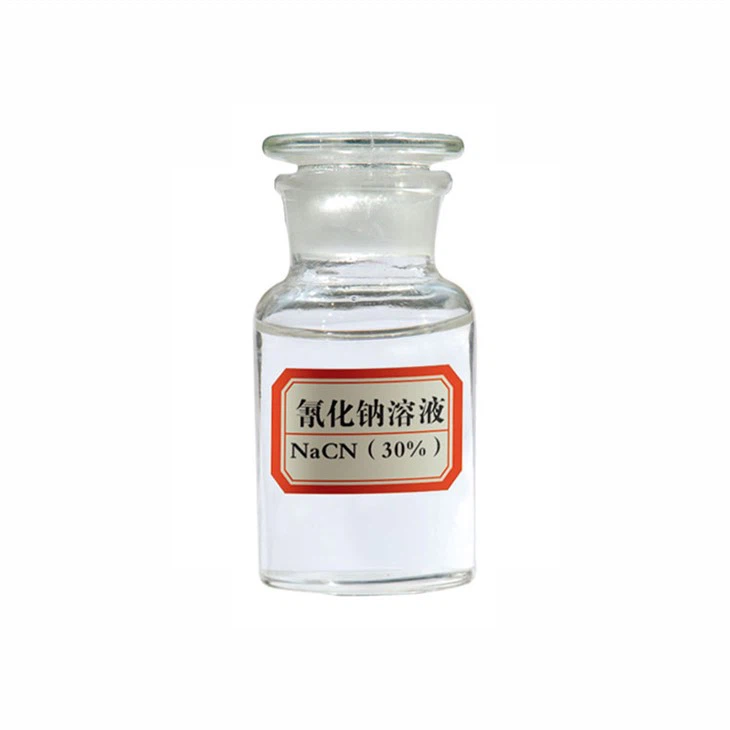
Sodium Cyanide Solution is a liquid form, and storing it requires a bit different approach. The containers for the solution need to be leak - proof and made of materials that can withstand the corrosive nature of the solution. Also, since it's a liquid, spill prevention and control measures are even more important.
Regulatory Compliance
Don't forget about regulatory compliance when it comes to storing Cyanogran. There are strict regulations in place regarding the storage and handling of cyanide products. These regulations are there to protect the environment and public safety.
You need to make sure your storage facility meets all the local and national requirements. This might include having proper safety equipment, emergency response plans, and regular inspections.
Maintenance and Monitoring
Once you've set up the storage for Cyanogran, the work doesn't stop there. You need to regularly inspect the storage containers for any signs of damage or leakage. Also, monitoring the temperature and humidity in the storage area is important.
If you notice any issues, such as a small leak or a change in temperature, you need to address them immediately. Ignoring these small problems can lead to much bigger and more dangerous situations.
Conclusion
So, that's a wrap on the storage conditions for Cyanogran. Proper storage is essential for safety, product quality, and regulatory compliance. Remember, if you have any questions about Cyanogran or its storage, don't hesitate to reach out.
Whether you're in the gold extraction industry or any other field that uses Cyanogran, getting the storage right is a must. And if you're looking to purchase Cyanogran, we're here to help. We've got high - quality Cyanogran that meets all the necessary standards. Contact us for more information and let's start talking about your procurement needs.
References
- Relevant chemical safety guidelines from international chemical safety organizations.
- Local and national regulations on cyanide storage and handling.