

What are the waste management strategies for KCN - containing waste?
As a supplier of Potassium Cyanide (KCN), I understand the critical importance of proper waste management strategies for KCN - containing waste. KCN is a highly toxic substance, and inappropriate handling of its waste can lead to severe environmental and health risks. In this blog, I will explore various waste management strategies for KCN - containing waste.
Understanding the Risks of KCN - Containing Waste
Potassium Cyanide is a potent poison. When released into the environment, it can contaminate soil, water, and air. In water bodies, it can cause the death of aquatic life by interfering with the oxygen - carrying capacity of hemoglobin in fish and other organisms. In soil, it can inhibit the growth of plants and disrupt the soil ecosystem. Moreover, exposure to KCN - containing waste can be extremely dangerous to human health, causing symptoms ranging from headaches and dizziness to respiratory failure and death.
Regulatory Requirements
Before implementing any waste management strategy, it is essential to comply with local, national, and international regulations. These regulations are designed to protect the environment and human health. For example, in many countries, the disposal of KCN - containing waste is strictly regulated. Waste generators are required to obtain proper permits, conduct regular monitoring, and follow specific disposal procedures. Failure to comply with these regulations can result in significant fines and legal consequences.
Waste Minimization
The first step in waste management is waste minimization. As a KCN supplier, I encourage my customers to use KCN as efficiently as possible. This can be achieved through process optimization. For example, in gold extraction processes, where Potassium Cyanide is commonly used as a leaching agent, improving the leaching efficiency can reduce the amount of KCN required. This not only reduces waste generation but also lowers the overall cost of the process.
Another way to minimize waste is through recycling. Some industries can recover and reuse KCN from their waste streams. For instance, in the electroplating industry, spent KCN solutions can be treated to recover the cyanide for further use. This not only reduces waste but also conserves resources.
Treatment of KCN - Containing Waste
When waste minimization is not sufficient, treatment of KCN - containing waste becomes necessary. There are several treatment methods available:
Chemical Oxidation
Chemical oxidation is one of the most common methods for treating KCN - containing waste. In this process, strong oxidizing agents such as hydrogen peroxide, sodium hypochlorite, or ozone are used to convert cyanide into less toxic compounds. For example, when hydrogen peroxide is used, the reaction can be represented as follows:
[2KCN + 5H_2O_2=2KHCO_3 + N_2+4H_2O]
This method is relatively simple and can be carried out in a batch or continuous - flow system. However, it requires careful control of the reaction conditions, such as pH and temperature, to ensure complete oxidation of cyanide.
Biological Treatment
Biological treatment is another option for treating KCN - containing waste. Certain microorganisms can break down cyanide under specific conditions. These microorganisms can be either naturally occurring or specially cultured. Biological treatment is often more environmentally friendly than chemical oxidation because it does not produce large amounts of chemical by - products. However, it is a relatively slow process and requires a stable environment for the microorganisms to thrive.
Adsorption
Adsorption is a physical treatment method that can be used to remove cyanide from waste solutions. Adsorbents such as activated carbon, ion - exchange resins, or zeolites can be used to adsorb cyanide ions. The adsorbed cyanide can then be desorbed and further treated or disposed of. Adsorption is a simple and effective method, especially for low - concentration cyanide solutions. However,the adsorbents need to be regenerated or replaced periodically, which adds to the cost of the process.

Disposal of Treated Waste
After treatment, the waste needs to be disposed of properly. The choice of disposal method depends on the nature and composition of the treated waste.
Landfill Disposal
If the treated waste meets the landfill acceptance criteria, it can be disposed of in a landfill. However, landfills for hazardous waste are highly regulated. The waste must be placed in a secure landfill cell, and measures must be taken to prevent the leaching of contaminants into the surrounding environment.
Incineration
Incineration can be used for the disposal of some treated KCN - containing waste. During incineration, the waste is burned at high temperatures, which can destroy any remaining cyanide and convert it into non - toxic gases. However, incineration requires strict emission control to prevent the release of harmful pollutants such as nitrogen oxides and dioxins.
Monitoring and Reporting
Throughout the waste management process, monitoring and reporting are crucial. Regular monitoring of waste streams, treatment processes, and disposal sites is necessary to ensure compliance with regulations and the effectiveness of the waste management strategies. This includes monitoring the concentration of cyanide, pH, temperature, and other relevant parameters.
Reporting is also required by law in many cases. Waste generators are often required to submit regular reports to regulatory authorities, detailing the amount of waste generated, the treatment methods used, and the disposal locations. This transparency helps to ensure that the waste management process is carried out in a responsible and accountable manner.
Conclusion
Proper waste management of KCN - containing waste is of utmost importance for protecting the environment and human health. As a KCN supplier, I am committed to working with my customers to implement effective waste management strategies. By focusing on waste minimization, treatment, and proper disposal, we can reduce the environmental impact of KCN use.
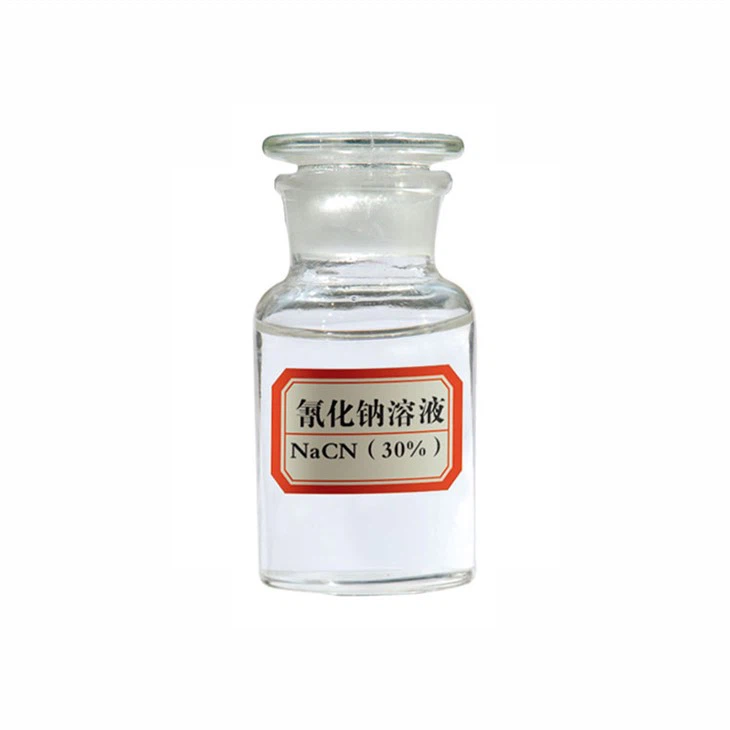
If you are interested in purchasing Potassium Cyanide, Sodium Cyanide, or Sodium Cyanide Solution, and need more information about our products or waste management solutions, please feel free to contact us for a procurement discussion. We are dedicated to providing high - quality products and professional services to meet your needs.
References
- USEPA. (2018). Cyanide in the Environment: A Toxicological Review. United States Environmental Protection Agency.
- Clark, J. M., & Mudder, T. I. (2001). Cyanide Destruction and Recovery Technologies for the Gold Mining Industry. Society for Mining, Metallurgy, and Exploration.
- Knowles, C. J. (1982). Microbial Metabolism of Cyanide. Microbiological Reviews, 46(4), 337 - 364.