

What factors affect the adsorption capacity of an adsorbent?
What factors affect the adsorption capacity of an adsorbent?
Hey there! As an adsorbent supplier, I've been in the thick of it when it comes to understanding what makes an adsorbent tick, especially in terms of its adsorption capacity. Adsorption capacity is super important—it determines how well an adsorbent can soak up those unwanted substances. So, let's dig into the factors that play a role in this.
1. Surface Area
One of the most crucial factors is the surface area of the adsorbent. Think of it like a sponge. The more surface area a sponge has, the more water it can hold. It's the same with adsorbents. A larger surface area provides more sites for the adsorbate (the substance being adsorbed) to stick to.
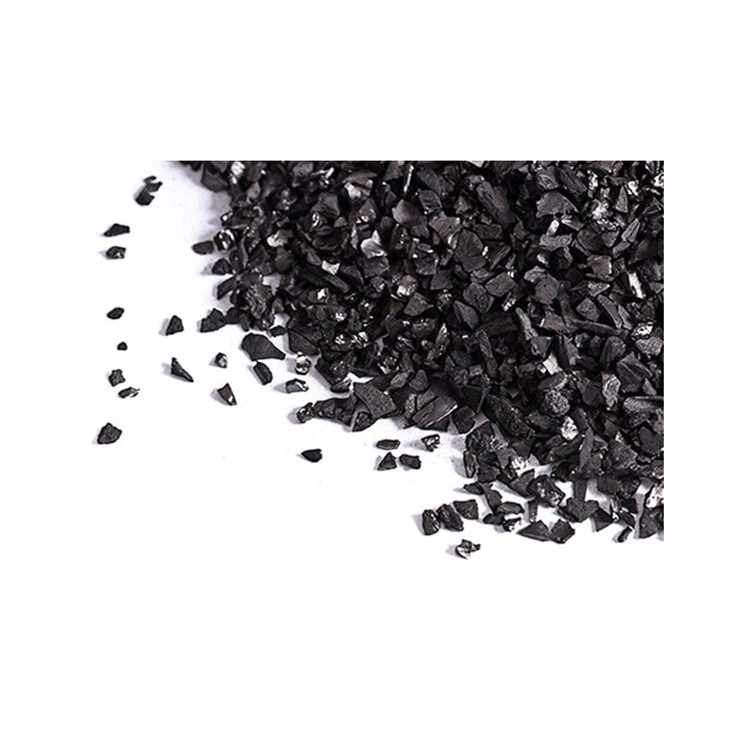
For example, activated carbon is a well - known adsorbent with a huge surface area. It can have a surface area of up to 1500 square meters per gram! That's like having a football field's worth of surface area in a tiny gram of material. Our RMPC1003 adsorbent is designed to have a high surface area, which gives it excellent adsorption capacity for various substances, including heavy metals in water treatment.
2. Pore Size and Distribution
Pore size and its distribution also matter a great deal. Adsorbents have pores of different sizes, and these pores act as little traps for the adsorbate. If the pores are too small, the adsorbate molecules might not be able to enter. On the other hand, if they're too large, the adsorbate might not stick well.
We need a good balance. For instance, in gas adsorption, a adsorbent with a specific pore size can selectively adsorb certain gas molecules. Our RMPC1033 has a well - controlled pore size distribution, which makes it really effective in separating different gases based on their molecular sizes.
3. Chemical Composition
The chemical composition of the adsorbent is another key factor. Different chemical substances have different affinities for other substances. Some adsorbents are made of materials that have a natural attraction to certain types of adsorbates.
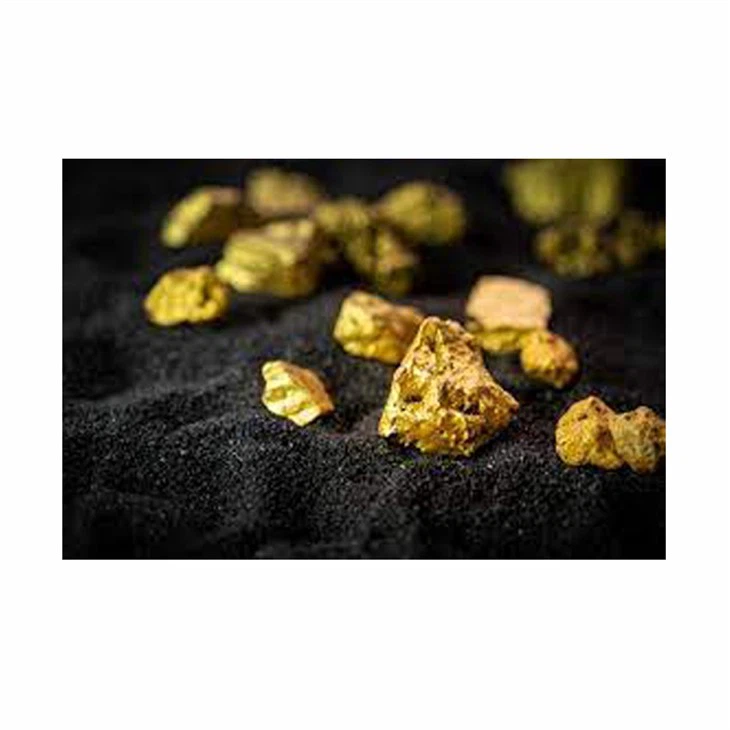
For example, zeolites are aluminosilicate minerals that have a high affinity for water molecules. They can be used for drying gases or liquids. Our GC E612 adsorbent has a unique chemical composition that gives it a strong adsorption capacity for gold ions in gold extraction processes. The specific chemical groups on its surface interact with the gold ions, making it a great choice for this application.
4. Temperature
Temperature can have a big impact on adsorption capacity. In general, adsorption is an exothermic process, which means it releases heat. So, as the temperature goes up, the adsorption capacity usually goes down.
However, there are some cases where increasing the temperature can actually improve adsorption. For example, in some chemical adsorption processes, a higher temperature can activate the adsorbent's surface and increase the reaction rate between the adsorbent and the adsorbate. But for most physical adsorption processes, lower temperatures are better for higher adsorption capacity.
5. Pressure
Pressure also plays a role, especially in gas adsorption. According to the adsorption isotherm, at a constant temperature, increasing the pressure usually increases the amount of gas adsorbed on the adsorbent.
This is because a higher pressure forces more gas molecules into contact with the adsorbent surface. For example, in natural gas storage using adsorbents, increasing the pressure can significantly increase the amount of gas that can be stored in a given volume of adsorbent.
6. pH of the Solution
When dealing with adsorption in liquid solutions, the pH can have a major impact. The pH affects the charge state of both the adsorbent and the adsorbate.
For example, if the adsorbent has a positive charge at a certain pH, it will attract negatively charged adsorbate molecules. Changing the pH can change the charge on the adsorbent surface and thus affect its adsorption capacity. In wastewater treatment, adjusting the pH can optimize the adsorption of heavy metals by our adsorbents.
7. Concentration of the Adsorbate
The concentration of the adsorbate in the solution or gas phase is straightforward. The higher the concentration of the adsorbate, the more of it can be adsorbed by the adsorbent, up to a certain point.
This is called the saturation point. Once the adsorbent reaches its saturation point, it can't adsorb any more of the adsorbate. So, in industrial processes, the initial concentration of the adsorbate needs to be considered when choosing the right amount of adsorbent.
8. Contact Time
Contact time is also important. The longer the adsorbent and the adsorbate are in contact, the more time the adsorbate has to find its way to the adsorption sites on the adsorbent.
In a continuous flow system, the flow rate needs to be adjusted to ensure an adequate contact time. For example, in a water treatment plant, the water should flow through the adsorbent bed at a rate that allows enough time for the contaminants to be adsorbed.
If you're in need of high - quality adsorbents for your specific application, be it water treatment, gas separation, or gold extraction, we're here to help. Our team of experts can provide you with detailed information about our products and how they can meet your requirements. Contact us to start a procurement discussion and find the best adsorbent solution for your needs.
References
- "Adsorption Technology and Design" by Perry's Chemical Engineers' Handbook
- "Fundamentals of Adsorption" by D. M. Ruthven