

What is physical adsorption of an adsorbent?
Physical adsorption, also known as physisorption, is a fundamental process in the field of materials science and environmental engineering. As an adsorbent supplier, understanding the concept of physical adsorption is crucial for providing high - quality products and meeting the diverse needs of our customers. In this blog, we will explore what physical adsorption of an adsorbent is, its mechanisms, factors affecting it, and the applications of adsorbents in various industries.
What is Physical Adsorption?
Physical adsorption is a phenomenon where molecules of a gas or a solute in a liquid adhere to the surface of an adsorbent through weak intermolecular forces, such as van der Waals forces and electrostatic interactions. Unlike chemical adsorption (chemisorption), physical adsorption does not involve the formation of chemical bonds between the adsorbate (the substance being adsorbed) and the adsorbent.
The process of physical adsorption is reversible. When the temperature is increased or the pressure is decreased, the adsorbed molecules can desorb from the adsorbent surface. This reversibility makes physical adsorption a highly useful process in many industrial applications, such as gas separation, purification, and storage.
Mechanisms of Physical Adsorption
The main driving force behind physical adsorption is the attractive forces between the adsorbate and the adsorbent. Van der Waals forces, which include London dispersion forces, dipole - dipole interactions, and dipole - induced dipole interactions, play a significant role in this process.
London dispersion forces are present in all molecules, regardless of their polarity. These forces arise from the temporary fluctuations in the electron distribution around the atoms or molecules, creating instantaneous dipoles. The instantaneous dipoles in the adsorbate can induce dipoles in the adsorbent surface, leading to an attractive force between them.
Dipole - dipole interactions occur between polar molecules. If both the adsorbate and the adsorbent are polar, the positive end of one dipole will be attracted to the negative end of the other dipole, resulting in adsorption. Dipole - induced dipole interactions happen when a polar molecule (adsorbate) induces a dipole in a non - polar adsorbent.
Another important aspect of physical adsorption is the surface area of the adsorbent. Adsorbents with high surface areas, such as activated carbon, zeolites, and mesoporous materials, provide more sites for the adsorbate molecules to attach. The porosity of the adsorbent also affects the adsorption capacity. Pores of different sizes can selectively adsorb molecules based on their size and shape.
Factors Affecting Physical Adsorption
Several factors can influence the physical adsorption process. Temperature is one of the most important factors. According to the principle of Le Chatelier, physical adsorption is an exothermic process. Therefore, increasing the temperature will shift the equilibrium towards desorption, reducing the adsorption capacity. Conversely, lowering the temperature favors adsorption.
Pressure also has a significant impact on physical adsorption, especially for gas - phase adsorption. At low pressures, the adsorption capacity increases linearly with pressure as more gas molecules are available to interact with the adsorbent surface. However, at high pressures, the adsorption capacity may reach a saturation point, where the adsorbent surface is fully covered with adsorbate molecules.
The nature of the adsorbate and the adsorbent also affects the adsorption process. The size, shape, and polarity of the adsorbate molecules can determine their ability to be adsorbed. For example, smaller molecules can more easily enter the pores of the adsorbent, while polar molecules may have stronger interactions with polar adsorbents.
The surface properties of the adsorbent, such as its chemical composition, surface charge, and functional groups, can also influence adsorption. Surface modification of the adsorbent can be used to enhance its adsorption selectivity and capacity. For instance, introducing specific functional groups on the adsorbent surface can increase its affinity for certain adsorbates.
Applications of Adsorbents in Physical Adsorption
Adsorbents are widely used in various industries due to their ability to perform physical adsorption. In the environmental industry, adsorbents are used for air and water purification. Activated carbon, for example, is commonly used to remove organic pollutants, odors, and heavy metals from water and air. It has a large surface area and high adsorption capacity, making it an effective adsorbent for a wide range of contaminants.
In the gas separation industry, adsorbents play a crucial role in separating different gases. Zeolites are often used for gas separation processes, such as the separation of nitrogen and oxygen from air. Their pore structure can selectively adsorb certain gas molecules based on their size and polarity, allowing for the efficient separation of gas mixtures.
The pharmaceutical industry also relies on adsorbents for drug purification and formulation. Adsorbents can be used to remove impurities from drug solutions, improve the stability of drugs, and control the release rate of drugs.
Our Adsorbent Products
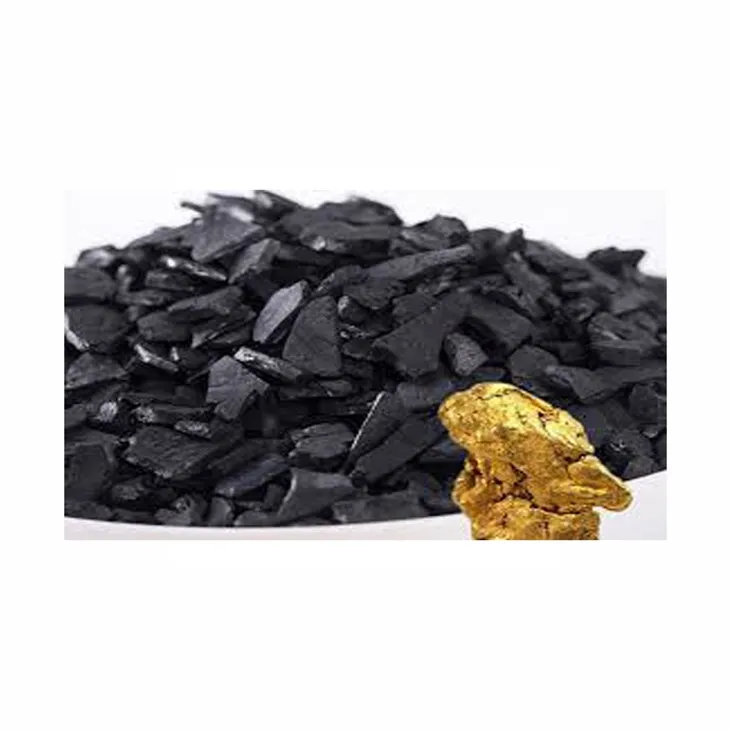
As an adsorbent supplier, we offer a range of high - quality adsorbents for different applications. Our YAO 60 is a specially designed adsorbent for gold extraction. It has a high adsorption capacity and selectivity for gold ions, making it an ideal choice for the mining industry.
Our RMPC1003 adsorbent is suitable for gas purification. It can effectively remove impurities such as carbon dioxide, sulfur dioxide, and moisture from gas streams, ensuring the quality and purity of the gas.
The RPMH 1001 adsorbent is designed for water treatment applications. It can remove heavy metals, organic pollutants, and other contaminants from water, providing a clean and safe water source.
Conclusion
Physical adsorption is a vital process with numerous applications in various industries. Understanding the mechanisms and factors affecting physical adsorption is essential for the development and selection of effective adsorbents. As an adsorbent supplier, we are committed to providing high - quality adsorbents that meet the specific needs of our customers. Whether you are in the environmental, gas separation, pharmaceutical, or other industries, our adsorbents can offer reliable solutions for your adsorption requirements.
If you are interested in our adsorbent products or have any questions about physical adsorption, please feel free to contact us for further discussion and potential procurement. We look forward to working with you to achieve your adsorption goals.
References
- Do, D. D. (1998). Adsorption Analysis: Equilibria and Kinetics. Imperial College Press.
- Rouquerol, F., Rouquerol, J., & Sing, K. (1999). Adsorption by Powders and Porous Solids: Principles, Methodology and Applications. Academic Press.
- Yang, R. T. (1987). Gas Separation by Adsorption Processes. Butterworth Publishers.