

What is the chemical name of NaCN?
The chemical name of NaCN is sodium cyanide. Sodium cyanide is an inorganic compound with significant industrial applications, yet it is also highly toxic. In this blog, as a supplier of NaCN, I will delve into the properties, uses, and safety aspects of sodium cyanide, aiming to provide a comprehensive understanding of this chemical.
Chemical Properties of Sodium Cyanide
Sodium cyanide is a white, water - soluble solid. Its chemical formula, NaCN, indicates that it consists of one sodium (Na) atom, one carbon (C) atom, and one nitrogen (N) atom. The cyanide ion (CN⁻) is the key functional group in sodium cyanide, which is responsible for its high reactivity and toxicity.
In an aqueous solution, sodium cyanide dissociates into sodium ions (Na⁺) and cyanide ions (CN⁻). The cyanide ion can act as a strong ligand, forming complexes with many metal ions. This property makes it useful in various chemical reactions and industrial processes.
Industrial Uses of Sodium Cyanide
Gold and Silver Extraction
One of the most well - known applications of sodium cyanide is in the mining industry for gold and silver extraction. In the process of gold mining, crushed ore is mixed with a sodium cyanide solution. The cyanide ions react with gold and silver in the ore to form soluble metal - cyanide complexes. These complexes can then be separated from the ore and further processed to obtain pure gold or silver. For more information on this process, you can visit Sodium Cyanide.
The reaction for gold extraction can be represented by the following equation:
4Au + 8NaCN+ O₂ + 2H₂O → 4Na[Au(CN)₂]+ 4NaOH
This process has been widely used in the mining industry for over a century due to its efficiency in extracting precious metals from low - grade ores.
Organic Synthesis
Sodium cyanide is also an important reagent in organic synthesis. It can be used to introduce the cyanide group into organic molecules, which can then be further transformed into various functional groups such as carboxylic acids, amines, and nitriles. For example, the reaction of an alkyl halide with sodium cyanide can lead to the formation of a nitrile:
R - X+ NaCN → R - CN+ NaX
where R represents an alkyl group and X is a halogen atom.
Electroplating
In the electroplating industry, sodium cyanide is used as a complexing agent. It helps to control the deposition rate and quality of the metal coating. By forming stable metal - cyanide complexes, it ensures a uniform and smooth metal deposit on the substrate.
Safety Considerations
Sodium cyanide is extremely toxic. The cyanide ion can bind to the iron in cytochrome oxidase, an enzyme involved in cellular respiration, preventing cells from using oxygen. This can lead to rapid cell death and, if not treated promptly, can be fatal to humans and animals.
When handling sodium cyanide, strict safety precautions must be taken. Workers should wear appropriate personal protective equipment, including gloves, goggles, and respirators. Storage areas should be well - ventilated, away from heat sources, and separated from acids (since the reaction of sodium cyanide with acids can produce highly toxic hydrogen cyanide gas).
In case of accidental exposure, immediate first - aid measures should be taken. If inhaled, the victim should be moved to fresh air immediately. If ingested, medical attention should be sought immediately, and in some cases, specific antidotes may be administered.
Comparison with Potassium Cyanide
Another common cyanide compound is potassium cyanide (KCN). While both sodium cyanide and Potassium Cyanide have similar chemical properties and uses, there are some differences. Potassium cyanide is more soluble in water than sodium cyanide, which may make it more suitable for some applications where high solubility is required. However, the choice between the two often depends on factors such as cost, availability, and specific process requirements.
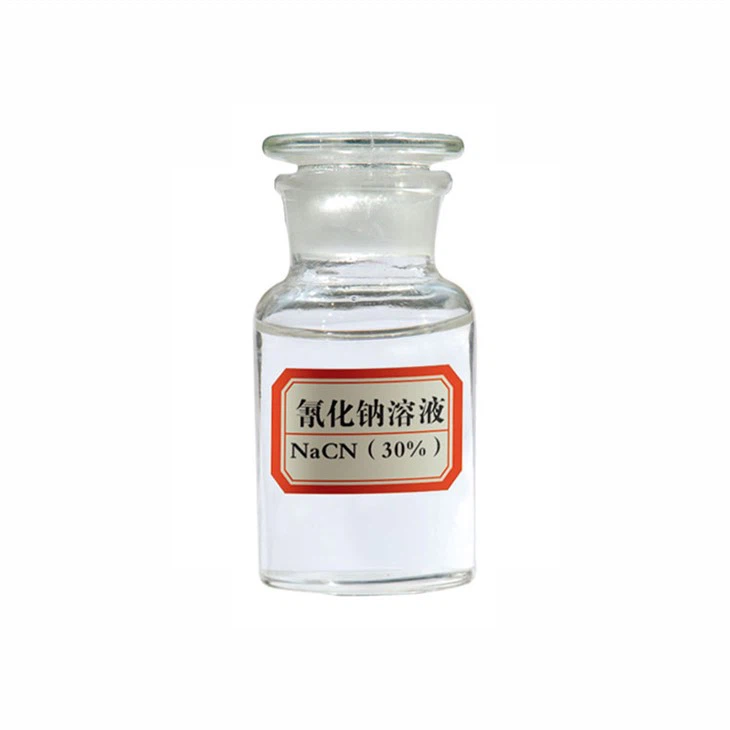
Sodium Cyanide Solution
A Sodium Cyanide Solution is a convenient form for many industrial applications. It is pre - prepared and can be easily added to reaction mixtures or used in processes such as gold extraction. The concentration of the solution can be adjusted according to the specific needs of the application.
Quality Assurance as a Supplier
As a supplier of sodium cyanide, we are committed to providing high - quality products. Our sodium cyanide is produced through strict manufacturing processes to ensure its purity and consistency. We conduct regular quality control tests, including chemical analysis and impurity detection, to meet the highest industry standards.
We also provide detailed product information and safety data sheets to our customers. These documents contain information on the chemical properties, uses, handling procedures, and safety precautions of sodium cyanide, helping our customers to use the product safely and effectively.

Environmental Impact
The use of sodium cyanide in industrial processes has raised environmental concerns. In the mining industry, for example, improper disposal of cyanide - containing waste can lead to contamination of soil, water, and air. However, modern mining practices have implemented strict environmental management measures to minimize the environmental impact.
For instance, many mines use advanced treatment technologies to remove cyanide from wastewater before discharging it. These technologies include chemical oxidation, biological treatment, and ion exchange. By implementing these measures, the environmental impact of sodium cyanide use can be significantly reduced.
Conclusion
Sodium cyanide, with its chemical formula NaCN, is a versatile yet highly toxic chemical. It has important applications in gold and silver extraction, organic synthesis, electroplating, and other industries. As a supplier, we understand the importance of providing high - quality products while ensuring safety and environmental protection.
If you are interested in purchasing sodium cyanide for your industrial needs, we are here to provide you with the best products and services. We can offer customized solutions based on your specific requirements. Please feel free to contact us for more information and to start a procurement negotiation.
References
- Atkins, P., & de Paula, J. (2014). Physical Chemistry. Oxford University Press.
- Carey, F. A., & Sundberg, R. J. (2014). Advanced Organic Chemistry: Part A: Structure and Mechanisms. Springer.
- Kirk - Othmer Encyclopedia of Chemical Technology.