

What is the contrast ratio of RMPC1032 (if it has a display)?
As a supplier of RMPC1032, I often encounter inquiries from customers regarding various technical specifications of this product. One of the frequently asked questions is about the contrast ratio of RMPC1032, especially if it has a display. In this blog post, I will delve into this topic to provide a comprehensive understanding of the contrast ratio of RMPC1032 and its significance.
Understanding Contrast Ratio
Before we discuss the contrast ratio of RMPC1032, it's essential to understand what contrast ratio means. Contrast ratio is a measure of the difference between the brightest white and the darkest black that a display can produce. It is typically expressed as a ratio, such as 1000:1. A higher contrast ratio indicates a greater difference between white and black, resulting in more vivid colors, deeper blacks, and better overall image quality.
For example, a display with a high contrast ratio will make the details in a dark scene more visible, while a display with a low contrast ratio may make the dark areas appear muddy and lacking in detail. In applications such as gaming, video playback, and graphic design, a high contrast ratio is often preferred to enhance the visual experience.
Does RMPC1032 Have a Display?
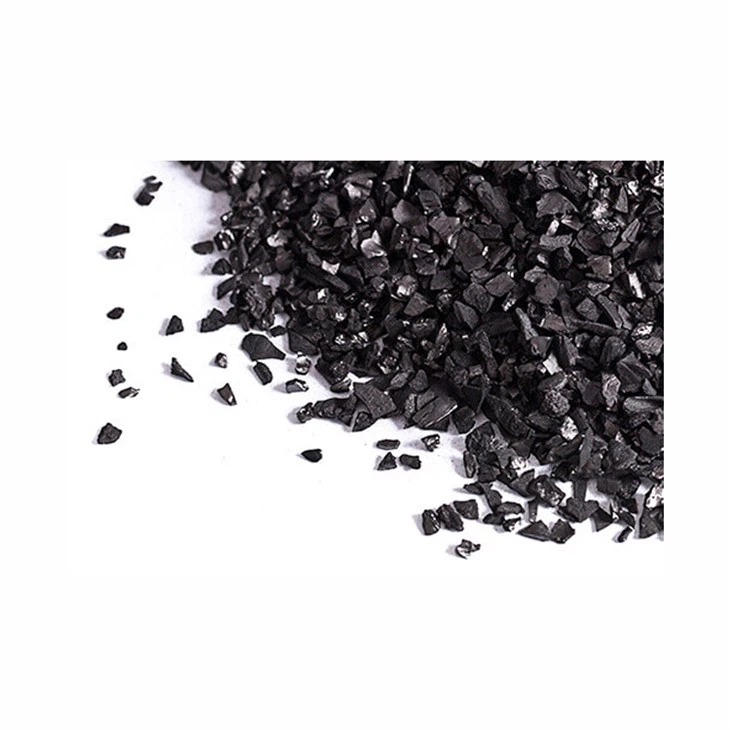
The RMPC1032 is a product in our line of gold extraction adsorbents. It is primarily designed for use in gold extraction processes and does not come with a built - in display. However, in some industrial setups, it may be integrated with monitoring systems that have displays to show various parameters related to the gold extraction process, such as temperature, pressure, and the concentration of gold in the solution.
If RMPC1032 is used in conjunction with a display - equipped monitoring system, the contrast ratio of that display becomes an important factor. The display is used to present critical data and visual information, and a good contrast ratio ensures that the data is clearly visible and easy to read, even in different lighting conditions.
Factors Affecting Contrast Ratio in Associated Displays
When RMPC1032 is used with a display in an industrial environment, several factors can affect the contrast ratio of the display:

-
Lighting Conditions: Industrial environments can have a wide range of lighting conditions, from bright sunlight to dimly lit areas. Bright ambient light can wash out the display, reducing the apparent contrast ratio. To counter this, displays with high brightness levels and anti - glare coatings are often used. These features help to maintain a clear image even in bright light.
-
Display Technology: Different display technologies have different inherent contrast ratios. For example, OLED (Organic Light - Emitting Diode) displays typically have very high contrast ratios because each pixel can emit its own light and be completely turned off, resulting in true blacks. LCD (Liquid Crystal Display) displays, on the other hand, rely on a backlight, and achieving a high contrast ratio can be more challenging.
-
Aging and Wear: Over time, displays can experience a decrease in contrast ratio due to aging of the components. The backlight in an LCD display may become dimmer, or the organic materials in an OLED display may degrade. Regular maintenance and replacement of worn - out components can help to maintain the contrast ratio.
Importance of Contrast Ratio in Gold Extraction Monitoring
In the context of gold extraction using RMPC1032, a high - contrast display in the monitoring system is crucial for several reasons:
-
Data Accuracy: Clear and accurate data is essential for efficient gold extraction. A high - contrast display makes it easier for operators to read the values of various parameters, such as the concentration of gold in the solution and the flow rate of the reagents. This helps in making informed decisions about the process, such as adjusting the dosage of chemicals or the operating conditions.
-
Safety: In an industrial gold extraction process, safety is of utmost importance. A display with a good contrast ratio ensures that safety - related information, such as warning signs and emergency shutdown instructions, is clearly visible. This can help prevent accidents and protect the well - being of the operators.
-
Process Optimization: By being able to clearly see the trends and changes in the data on the display, operators can optimize the gold extraction process. They can identify inefficiencies, such as excessive reagent consumption or low gold recovery rates, and take corrective actions in a timely manner.
Comparing with Similar Products
If you are considering other products in our line, such as the RMPC1033 or the GC E612, the same principles regarding display and contrast ratio apply. These products may also be used in conjunction with monitoring systems, and the quality of the display can significantly impact the overall performance of the gold extraction process.
Each product has its own unique properties and applications, but the need for a clear and reliable display remains consistent. Whether you choose RMPC1032, RMPC1033, or GC E612, ensuring that the associated display has a high contrast ratio is an important consideration for a successful gold extraction operation.
Conclusion and Call to Action
Although RMPC1032 itself does not have a display, when it is used in industrial setups with monitoring systems, the contrast ratio of the display becomes a vital factor. A high - contrast display enhances data visibility, improves safety, and enables process optimization in the gold extraction process.
If you are interested in purchasing RMPC1032 or learning more about our gold extraction adsorbents, we encourage you to contact us for further discussion. Our team of experts can provide you with detailed information about the product, its applications, and how it can be integrated into your gold extraction process. We are committed to providing high - quality products and excellent customer service to meet your needs.
References
- General knowledge of display technology and industrial monitoring systems.
- Technical documentation of RMPC1032, RMPC1033, and GC E612.