

What packaging is suitable for 143 - 33 - 9?
As a supplier of 143 - 33 - 9, which is commonly known as Sodium Cyanide, I understand the crucial role that appropriate packaging plays in ensuring the safe storage, transportation, and use of this chemical. In the gold extraction industry, Sodium Cyanide is a widely used leaching agent, and its packaging must meet strict safety and regulatory standards. In this blog, I will discuss what packaging is suitable for 143 - 33 - 9, considering its characteristics, safety requirements, and industry practices.
Characteristics of 143 - 33 - 9 (Sodium Cyanide)
Sodium Cyanide is a highly toxic, white crystalline solid with a faint almond - like odor. It is soluble in water, alcohol, and glycerol. When exposed to acids, it releases highly toxic hydrogen cyanide gas, which is extremely dangerous to human health and the environment. These properties make it necessary to package Sodium Cyanide in a way that prevents leakage, contamination, and the release of harmful vapors.
Safety Requirements for Packaging
The safety of packaging for Sodium Cyanide is of utmost importance. It must comply with international, national, and local regulations, such as the United Nations' Recommendations on the Transport of Dangerous Goods, which provide guidelines for the classification, packaging, and labeling of dangerous substances.
- Leak - proof: The packaging must be completely leak - proof to prevent the escape of Sodium Cyanide or its solution. Any leakage can pose a significant risk to human health and the environment, as even a small amount of this toxic substance can be lethal.
- Corrosion - resistant: Since Sodium Cyanide can be corrosive to some materials, the packaging must be made of corrosion - resistant materials. This ensures the integrity of the package during storage and transportation.
- Airtight: To prevent the release of hydrogen cyanide gas, which can occur when Sodium Cyanide comes into contact with moisture or acids in the air, the packaging should be airtight.
- Labeling: Proper labeling is essential. The package should be clearly labeled with the chemical name (Sodium Cyanide), its hazard class, safety instructions, and emergency contact information.
Suitable Packaging Materials
- Steel Drums: Steel drums are a common choice for packaging Sodium Cyanide. They are strong, durable, and resistant to corrosion. Steel drums can be lined with a protective coating to further enhance their resistance to the chemical. They are available in various sizes, typically ranging from 20 - liter to 200 - liter drums, which allows for flexibility in packaging different quantities of Sodium Cyanide. The drums are usually sealed with tight - fitting lids to prevent leakage. For more information on Sodium Cyanide, you can visit Sodium Cyanide.
- Fiber Drums: Fiber drums can also be used for packaging Sodium Cyanide, especially when combined with an inner liner made of a suitable plastic material. The inner liner provides a barrier between the chemical and the fiber drum, preventing corrosion and ensuring leak - proof storage. Fiber drums are lightweight and cost - effective compared to steel drums. However, they may not be as robust, so they are more suitable for smaller quantities or non - high - risk transportation scenarios.
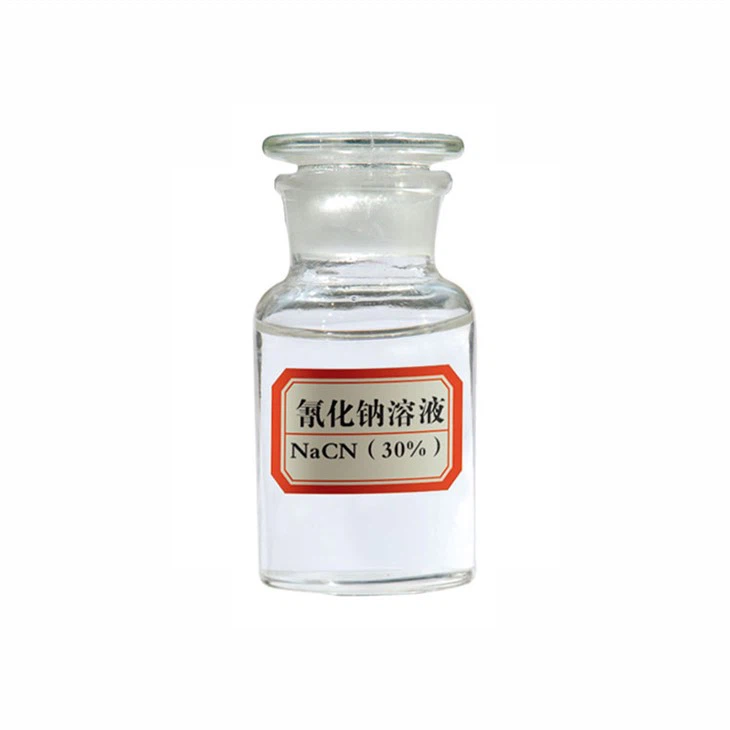
- Polyethylene Containers: Polyethylene (PE) containers are another option for packaging Sodium Cyanide. They are lightweight, corrosion - resistant, and relatively inexpensive. PE containers are available in different shapes and sizes, from small bottles to large bulk containers. They are often used for packaging Sodium Cyanide Solution, which is a more convenient form for some applications. You can learn more about Sodium Cyanide Solution at Sodium Cyanide Solution.
Packaging for Different Forms of 143 - 33 - 9
- Solid Sodium Cyanide: Solid Sodium Cyanide is typically packaged in steel drums or fiber drums with inner liners. The solid is usually in the form of prills or flakes. The drums are sealed tightly to prevent moisture ingress, which can cause the formation of hydrogen cyanide gas. In addition to the packaging, solid Sodium Cyanide may also be stored in a secondary containment system, such as a sturdy plastic bin, to provide an extra layer of protection in case of a drum rupture.
- Sodium Cyanide Solution: Sodium Cyanide Solution is often packaged in polyethylene containers. These containers are designed to be resistant to the corrosive nature of the solution. They may have a screw - top lid or a closure system that ensures an airtight seal. For larger quantities of the solution, intermediate bulk containers (IBCs) made of high - density polyethylene (HDPE) can be used. IBCs are suitable for bulk storage and transportation and are equipped with a valve for easy dispensing.
Industry Practices and Standards
In the gold extraction industry, where Sodium Cyanide is widely used as a leaching agent, there are well - established industry practices and standards for packaging. Many gold mining companies have specific requirements for the packaging of Sodium Cyanide to ensure the safety of their operations.

- Quality Control: Packaging manufacturers must adhere to strict quality control measures to ensure that the packaging meets the required standards. This includes testing for leakage, corrosion resistance, and durability.
- Traceability: There is a growing emphasis on traceability in the supply chain of Sodium Cyanide. The packaging should be marked with batch numbers, production dates, and other relevant information to enable easy tracking and identification in case of any issues.
- Training and Education: Workers involved in the handling, storage, and transportation of Sodium Cyanide must receive proper training on the safety requirements of the packaging. This includes understanding how to open and close the packages safely, how to detect and respond to any signs of leakage, and how to handle emergency situations.
Comparison with Other Cyanide Compounds
Another commonly used cyanide compound in the gold extraction industry is Potassium Cyanide (CAS number 151 - 50 - 8). While the packaging requirements for Potassium Cyanide are similar to those of Sodium Cyanide, there are some differences. Potassium Cyanide is also highly toxic and requires leak - proof, corrosion - resistant, and airtight packaging. However, due to its different physical and chemical properties, the choice of packaging materials may vary slightly. For more details on Potassium Cyanide, you can refer to Potassium Cyanide.
Conclusion and Call to Action
In conclusion, choosing the right packaging for 143 - 33 - 9 (Sodium Cyanide) is essential for ensuring the safety of its storage, transportation, and use. Steel drums, fiber drums, and polyethylene containers are all suitable options, depending on the form of the chemical and the quantity being packaged. Adhering to safety regulations, industry practices, and quality control measures is crucial to prevent any potential hazards associated with this highly toxic substance.
If you are in the gold extraction industry or any other industry that requires the use of Sodium Cyanide, and you are interested in sourcing high - quality 143 - 33 - 9 with appropriate packaging, please don't hesitate to contact us for procurement and further discussion. We are committed to providing you with reliable products and excellent service.
References
- United Nations, Recommendations on the Transport of Dangerous Goods
- Industry reports on gold extraction and cyanide handling
- Safety guidelines for the storage and transportation of toxic chemicals