

Are there any alternatives to AT - 168?
Hey there! As a supplier of AT - 168, I often get asked if there are any alternatives to this popular antioxidant. Well, the short answer is yes, there are several alternatives out there, and in this blog, I'll walk you through some of them.
First off, let's talk a bit about AT - 168. It's a well - known secondary antioxidant that's widely used in the plastics and rubber industries. It helps to prevent the oxidation of polymers, which can lead to degradation, loss of mechanical properties, and discoloration. AT - 168 works by decomposing hydroperoxides, which are formed during the oxidation process, thus interrupting the chain reaction of oxidation.
Now, onto the alternatives.
AT - 10
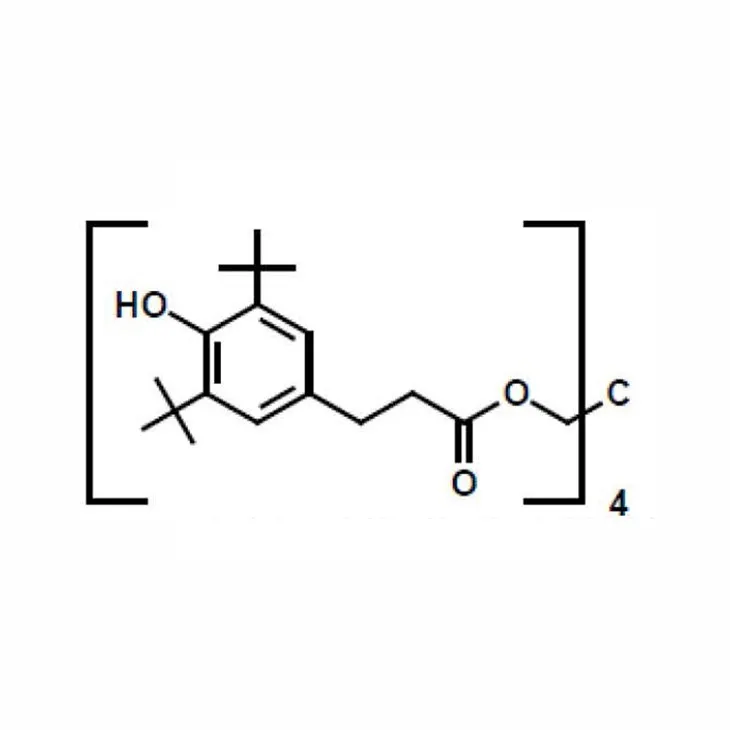
One alternative to AT - 168 is AT - 10. AT - 10 is a primary antioxidant, and it functions differently from AT - 168. While AT - 168 is a secondary antioxidant that deals with hydroperoxides, AT - 10 traps free radicals. Free radicals are highly reactive molecules that are formed during the oxidation process and can cause significant damage to polymers.
When used in combination, AT - 10 and AT - 168 can provide synergistic effects. The primary antioxidant (AT - 10) traps the free radicals, and the secondary antioxidant (AT - 168) decomposes the hydroperoxides. This combination can offer better overall protection against oxidation compared to using either antioxidant alone. AT - 10 is often used in polyolefins, such as polyethylene and polypropylene, as well as in other polymers like polystyrene and engineering plastics.
Irganox B215
Another alternative is Irganox B215. Irganox B215 is a blend of a primary antioxidant (Irganox 1010) and a secondary antioxidant (Irganox 168, which is similar to AT - 168). This pre - blended antioxidant system offers convenience and consistent performance.
The primary antioxidant in Irganox B215 helps to scavenge free radicals, while the secondary antioxidant decomposes hydroperoxides. This dual - action mechanism provides excellent long - term thermal stability for polymers. It's commonly used in a wide range of applications, including automotive parts, electrical and electronic components, and packaging materials. The advantage of using Irganox B215 is that you don't have to mix the primary and secondary antioxidants yourself, which can save time and ensure a more accurate ratio.
Irganox 3114
Irganox 3114 is also a viable alternative to AT - 168. It's a hindered phenolic antioxidant that acts as a primary antioxidant. Irganox 3114 has excellent high - temperature stability and can effectively protect polymers from oxidation at elevated temperatures.
It's often used in applications where polymers are exposed to high - heat conditions, such as in the production of fibers, films, and molded parts. Unlike AT - 168, which mainly focuses on hydroperoxide decomposition, Irganox 3114 targets free radicals. This makes it a great choice for applications where free - radical - induced oxidation is a major concern.
Comparing the Alternatives
When it comes to choosing between these alternatives and AT - 168, there are several factors to consider.
Cost: The cost of antioxidants can vary significantly. AT - 168 is generally cost - effective, but depending on your budget and the specific requirements of your application, one of the alternatives might be more suitable. For example, if you're producing a high - end product where cost is less of a concern and performance is crucial, Irganox B215 or Irganox 3114 might be worth the extra investment.
Application Requirements: Different applications have different oxidation - related challenges. If your polymer is mainly exposed to high - temperature conditions, Irganox 3114 might be the best choice. On the other hand, if you need a combination of free - radical trapping and hydroperoxide decomposition, a combination of AT - 10 and AT - 168 or Irganox B215 could be ideal.
Regulatory Requirements: Some industries have strict regulatory requirements regarding the use of antioxidants. Make sure that the antioxidant you choose complies with all relevant regulations. For example, in the food packaging industry, antioxidants need to meet food - contact safety standards.

Making the Decision
So, how do you decide which alternative is right for you? I'd recommend conducting some tests. You can prepare small samples of your polymer with different antioxidants and subject them to the same conditions that your final product will be exposed to. Measure the performance of the samples over time, looking at factors such as color change, mechanical property retention, and resistance to oxidation.
It's also a good idea to consult with experts. As a supplier, I'm always here to help you make an informed decision. I can provide you with more detailed information about the properties and applications of each antioxidant, as well as offer technical support.
If you're still not sure which antioxidant is the best fit for your needs, don't hesitate to reach out. Whether you're interested in AT - 168 or one of its alternatives, I'm happy to have a chat and discuss your specific requirements. We can work together to find the most suitable solution for your business.
In conclusion, while AT - 168 is a great antioxidant, there are several alternatives available that can offer different benefits depending on your application. By considering factors such as cost, application requirements, and regulatory compliance, and by conducting tests and seeking expert advice, you can make the right choice for your polymer - based products.
If you're looking to start a procurement discussion or have any questions about AT - 168 or its alternatives, feel free to get in touch. I'm eager to help you find the best antioxidant solution for your production needs.
References
- "Plastic Additives Handbook" by Hans Zweifel
- Industry reports on antioxidants in the plastics and rubber industries.