

Can antioxidants prevent skin cancer?
Can antioxidants prevent skin cancer? This is a question that has intrigued scientists, dermatologists, and skincare enthusiasts alike. As a supplier of high - quality antioxidants, I've delved deep into the research to understand the relationship between antioxidants and skin cancer prevention.
The Basics of Skin Cancer and Oxidative Stress
Skin cancer is one of the most common types of cancer globally. There are three main types: basal cell carcinoma, squamous cell carcinoma, and melanoma. The development of skin cancer is often associated with DNA damage in skin cells. One of the major causes of this DNA damage is oxidative stress.
Oxidative stress occurs when there is an imbalance between the production of reactive oxygen species (ROS) and the body's ability to neutralize them. ROS are highly reactive molecules that can cause damage to cellular components such as DNA, proteins, and lipids. Exposure to ultraviolet (UV) radiation from the sun is a significant source of ROS in the skin. UV rays can directly damage DNA and also trigger the production of ROS, which further exacerbates the damage.

How Antioxidants Work
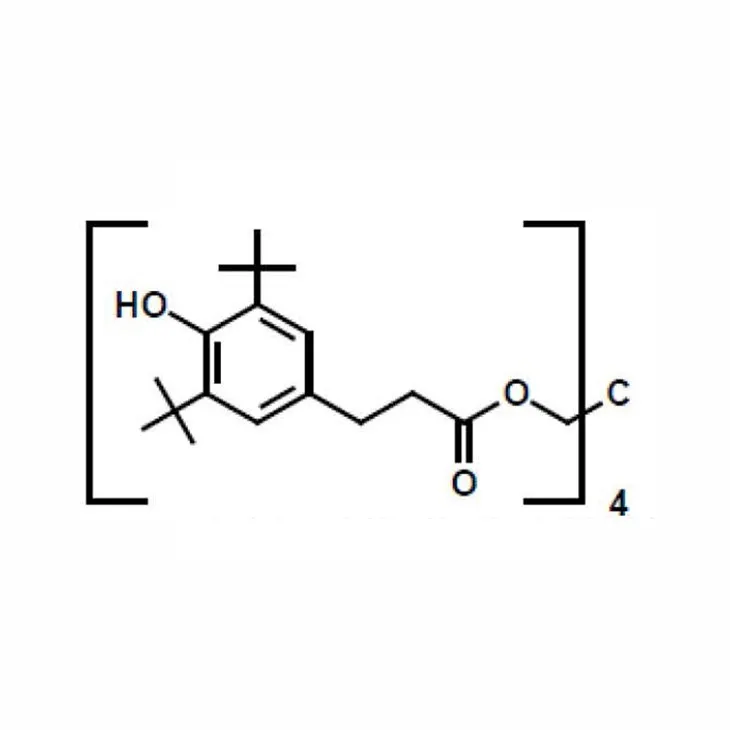
Antioxidants are substances that can neutralize ROS by donating an electron without becoming unstable themselves. They act as a defense mechanism against oxidative stress. There are many different types of antioxidants, including vitamins (such as vitamin C and vitamin E), polyphenols, and minerals (such as selenium).
When applied topically or consumed orally, antioxidants can help protect the skin from the harmful effects of ROS. For example, vitamin C can scavenge free radicals in the aqueous phase of the cell, while vitamin E works in the lipid - rich cell membranes. Together, they form a synergistic antioxidant network that can prevent or reduce oxidative damage.
Scientific Evidence on Antioxidants and Skin Cancer Prevention
Numerous studies have investigated the potential of antioxidants to prevent skin cancer. Some research has shown promising results. For instance, a study published in the Journal of Investigative Dermatology found that topical application of a combination of antioxidants reduced the formation of UV - induced skin tumors in mice. The antioxidants worked by suppressing inflammation and oxidative stress in the skin.
Another study on human subjects showed that individuals with higher dietary intake of antioxidants had a lower risk of developing certain types of skin cancer. The antioxidants may help repair damaged DNA and prevent the proliferation of cancerous cells. However, it's important to note that not all studies have reached the same conclusion. Some large - scale epidemiological studies have failed to find a significant association between antioxidant supplementation and a reduced risk of skin cancer.
Our Antioxidant Products
As an antioxidant supplier, we offer a range of high - quality antioxidant products that may have potential benefits for skin health. One of our popular products is AT - 10. AT - 10 is a powerful antioxidant that has been shown to have strong free - radical scavenging activity. It can be used in various skincare formulations to protect the skin from oxidative stress.
Irganox 3114 is another excellent antioxidant in our portfolio. It is a hindered phenolic antioxidant that provides long - term protection against oxidation. Although it is commonly used in the polymer industry, recent research has also explored its potential applications in skincare due to its antioxidant properties.
Irganox B215 is a blend of primary and secondary antioxidants. This combination offers enhanced antioxidant performance. It can be used in products where a high level of oxidative protection is required, such as in sunscreen formulations to prevent the degradation of active ingredients due to oxidation.
Limitations and Considerations
While antioxidants show promise in preventing skin cancer, there are some limitations to consider. First, the effectiveness of antioxidants can be influenced by many factors, such as the type of antioxidant, the dosage, and the method of administration. For example, topical antioxidants may not penetrate the skin deeply enough to reach the target cells, and oral antioxidants may be metabolized and excreted before they can have a significant effect on the skin.
Second, the relationship between antioxidants and skin cancer is complex. Skin cancer is a multifactorial disease, and oxidative stress is just one of the many factors involved. Other factors, such as genetic predisposition, immune function, and lifestyle choices (such as smoking and excessive sun exposure), also play important roles in the development of skin cancer.
Conclusion
In conclusion, the question of whether antioxidants can prevent skin cancer is not straightforward. While there is some scientific evidence suggesting that antioxidants may have a protective effect against skin cancer by reducing oxidative stress, more research is needed to fully understand their effectiveness. Our antioxidant products, such as AT - 10, Irganox 3114, and Irganox B215, offer potential benefits for skin health, but they should be used as part of a comprehensive approach to skin cancer prevention, which includes sun protection and a healthy lifestyle.
If you are interested in learning more about our antioxidant products or would like to discuss potential procurement opportunities, please feel free to contact us. We are more than happy to provide you with detailed product information and work with you to meet your specific needs.
References
- Journal of Investigative Dermatology study on antioxidant - induced reduction of UV - induced skin tumors in mice
- Epidemiological studies on antioxidant supplementation and skin cancer risk