

Can Irgafos 168 be used in polyurethanes?
Hey there! As a supplier of Irgafos 168, I often get asked whether this antioxidant can be used in polyurethanes. Well, let's dig into this topic and find out.
First off, let's understand what Irgafos 168 is. Irgafos 168 is a well - known phosphite antioxidant. You can check out more details about it on this Irgafos168 page. It's mainly used to protect polymers from thermal - oxidative degradation during processing and long - term use. It works by decomposing hydroperoxides, which are formed during the oxidation process of polymers, into non - radical and non - reactive products.
Now, let's talk about polyurethanes. Polyurethanes are a class of polymers that have a wide range of applications. They can be found in foams, elastomers, coatings, adhesives, and sealants. Polyurethanes are formed through the reaction between polyols and diisocyanates. During the production and application of polyurethanes, they are exposed to heat, oxygen, and other environmental factors, which can lead to oxidation and degradation of the polymer chains. This degradation can result in a loss of mechanical properties, such as reduced strength, flexibility, and durability.
So, can Irgafos 168 be used in polyurethanes? The answer is yes! Irgafos 168 can indeed be used in polyurethanes, and it offers several benefits.

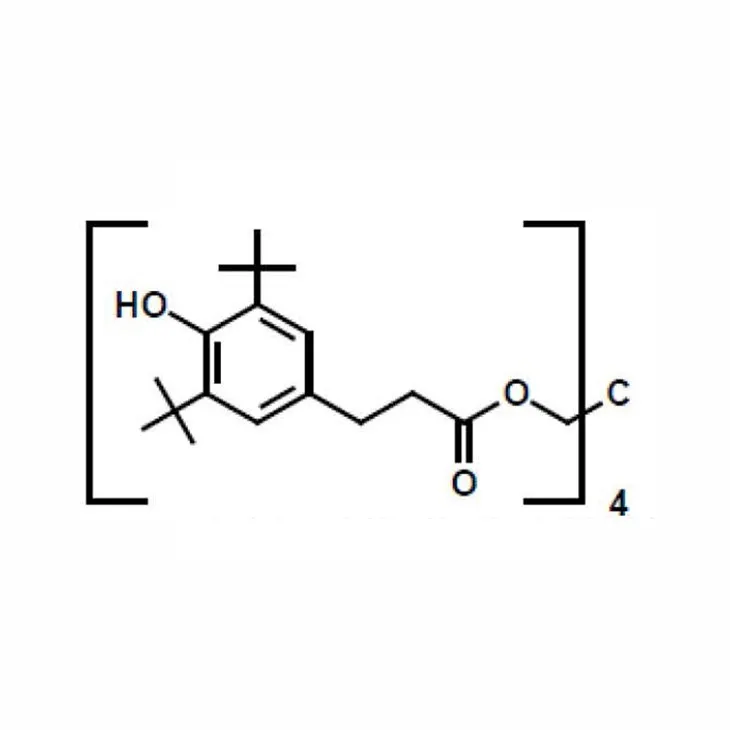
One of the main advantages of using Irgafos 168 in polyurethanes is its ability to improve the processing stability. When polyurethanes are processed at high temperatures, they are prone to thermal degradation. Irgafos 168 can effectively scavenge free radicals and decompose hydroperoxides formed during processing, thereby preventing the polymer chains from breaking down. This results in a more stable processing operation and better - quality products.
In addition to processing stability, Irgafos 168 also enhances the long - term thermal stability of polyurethanes. Over time, exposure to heat and oxygen can cause the polyurethanes to age and degrade. By incorporating Irgafos 168 into the polyurethane formulation, the rate of oxidation and degradation can be significantly reduced. This helps to maintain the mechanical and physical properties of the polyurethanes over an extended period.
Another benefit is that Irgafos 168 can be used in combination with other antioxidants to achieve a synergistic effect. For example, it is often used in combination with phenolic antioxidants like AT - 10. The combination of Irgafos 168 and AT - 10 can provide better protection against oxidation compared to using either antioxidant alone. Similarly, Irganox B215, which is a blend of Irgafos 168 and a phenolic antioxidant, is also a popular choice for protecting polyurethanes.
However, when using Irgafos 168 in polyurethanes, there are a few things to keep in mind. The dosage of Irgafos 168 needs to be carefully controlled. Too little of it may not provide sufficient protection, while too much can lead to issues such as migration, blooming, and potential negative effects on the physical properties of the polyurethanes.
The compatibility of Irgafos 168 with other additives in the polyurethane formulation is also crucial. Some additives may interact with Irgafos 168, which can either enhance or reduce its antioxidant performance. Therefore, it's important to conduct compatibility tests before large - scale production.
The method of incorporating Irgafos 168 into the polyurethanes also matters. It can be added during the mixing of the polyols and diisocyanates or at other appropriate stages of the production process. The choice of the incorporation method depends on the specific requirements of the polyurethane product and the production process.
In conclusion, Irgafos 168 is a viable option for use in polyurethanes. It can improve both the processing stability and the long - term thermal stability of polyurethanes, and it can be used in combination with other antioxidants for better performance. If you're involved in the production of polyurethanes and are looking for an effective antioxidant solution, I encourage you to consider Irgafos 168.
If you're interested in learning more about Irgafos 168 or are looking to purchase it for your polyurethane applications, don't hesitate to reach out. We're here to provide you with the best products and support to meet your specific needs. Let's have a chat about how Irgafos 168 can enhance the quality and performance of your polyurethane products.
References:
- Polymer Additives Handbook, Fifth Edition by Hans Zweifel
- Polyurethane Handbook by Gunter Oertel