

Can RMPC1003 be used in industrial applications?
Hey there! As a supplier of RMPC1003, I often get asked whether this product can be used in industrial applications. Well, let's dive right into it and find out.

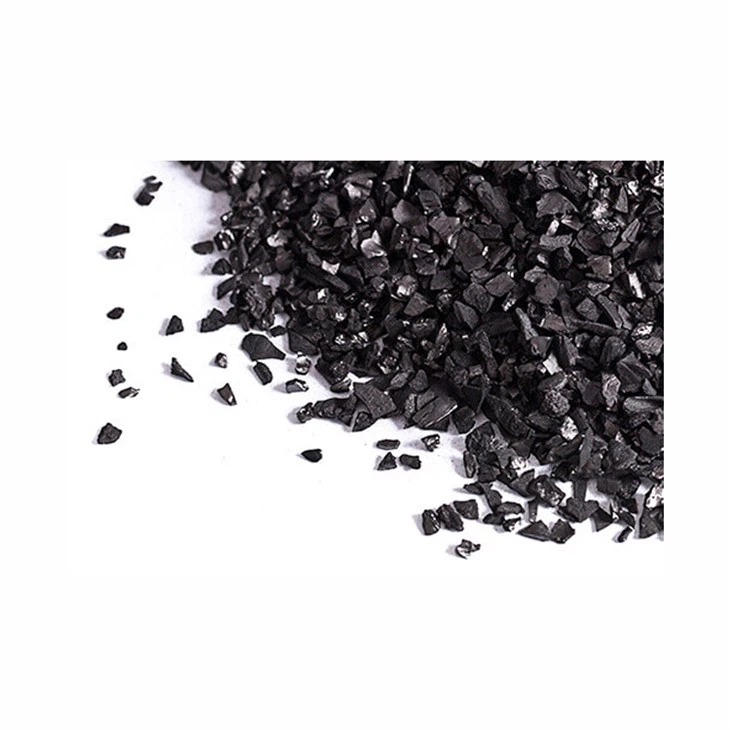
First off, what exactly is RMPC1003? It's a high - performance material that has some really cool features. It's known for its stability and reliability, which are two key factors in any industrial setting. In industries, you can't afford to have products that break down easily or don't perform consistently. RMPC1003 offers just that.
Let's talk about its chemical properties. RMPC1003 has a unique chemical composition that makes it resistant to a wide range of chemicals. This is super important in industries where the material might come into contact with various substances. For example, in the chemical manufacturing industry, there are all sorts of corrosive chemicals. RMPC1003 can withstand exposure to many of these chemicals without degrading quickly. This means less maintenance and replacement costs for industrial companies.
In terms of mechanical strength, RMPC1003 is no slouch either. It has a high tensile strength, which means it can handle a lot of stress without breaking. In industrial applications like machinery manufacturing, parts made from RMPC1003 can endure the high - pressure and high - speed operations. Whether it's in a conveyor belt system or a complex assembly line, RMPC1003 can hold up well.
Another aspect to consider is its temperature resistance. Industrial processes often involve extreme temperatures. Some operations might require materials to work in very hot environments, while others need them to function in cold conditions. RMPC1003 has a wide temperature tolerance range. It can maintain its properties in both high - heat and low - heat situations. This makes it suitable for industries such as metalworking, where high temperatures are common during forging and casting processes, and also for food storage industries, where low temperatures are required.
Now, let's compare RMPC1003 with some other similar products in the market. There are products like GC E612 and RMPC1033. While these products also have their own advantages, RMPC1003 stands out in terms of its overall balance of properties. GC E612 might be great for certain chemical adsorption processes, but RMPC1003 offers more versatility in different industrial scenarios. And RMPC1033, although it has some similar features, RMPC1003 has better chemical resistance in some specific chemical environments.
GC E612(S) is another product in the same ballpark. But when it comes to mechanical strength and temperature resistance, RMPC1003 has an edge. This makes it a more reliable choice for industries that need a material that can handle multiple challenges at once.
In the electronics industry, RMPC1003 also has potential applications. Its electrical insulation properties are quite good. In electronic devices and circuits, it can be used as an insulating material to prevent short - circuits and ensure the proper functioning of the equipment. With the increasing demand for smaller and more powerful electronic devices, the need for high - performance insulating materials like RMPC1003 is on the rise.
In the automotive industry, RMPC1003 can be used in various components. For example, it can be used in engine parts. The high - temperature resistance and mechanical strength of RMPC1003 make it suitable for parts that are exposed to the high - heat and high - stress environment inside an engine. It can also be used in interior components to provide a durable and long - lasting finish.
One of the concerns in industrial applications is the cost - effectiveness of a product. RMPC1003 offers great value for money. Its long lifespan and low maintenance requirements mean that over time, the overall cost of using RMPC1003 is relatively low. Compared to some other high - performance materials that might be more expensive or need to be replaced frequently, RMPC1003 is a smart choice for industrial companies looking to optimize their costs.
However, like any product, RMPC1003 also has its limitations. In some extremely harsh chemical environments, there might be some minor degradation over a long period. And in applications that require extremely precise electrical conductivity, RMPC1003 might not be the best option as it is mainly an insulating material. But for the majority of industrial applications, these limitations are not significant enough to rule it out.
So, can RMPC1003 be used in industrial applications? The answer is a resounding yes. Its combination of chemical resistance, mechanical strength, temperature tolerance, and cost - effectiveness make it a great candidate for a wide range of industries. Whether it's in manufacturing, electronics, automotive, or many other sectors, RMPC1003 can play a valuable role.
If you're an industrial company looking for a reliable material for your applications, I highly recommend considering RMPC1003. We, as a supplier, are committed to providing high - quality RMPC1003 products and excellent customer service. If you're interested in learning more or starting a procurement negotiation, don't hesitate to reach out. We're here to help you find the best solution for your industrial needs.
References
- Industrial Materials Handbook: A Comprehensive Guide
- Journal of Applied Industrial Chemistry
- Automotive Component Manufacturing Research Reports