

Can RPMH 1001 be used for body odor control?
In the realm of personal care and hygiene, the pursuit of effective body odor control is a constant endeavor. As a supplier of RPMH 1001, I've received numerous inquiries regarding its potential use for this purpose. In this blog, I aim to delve into the scientific aspects to determine whether RPMH 1001 can indeed be used for body odor control.
Understanding Body Odor
Before we discuss RPMH 1001, it's crucial to understand what causes body odor. Body odor is primarily caused by the interaction between sweat and bacteria on the skin. Our bodies have two main types of sweat glands: eccrine glands and apocrine glands. Eccrine glands are found all over the body and produce a watery sweat that helps regulate body temperature. Apocrine glands, on the other hand, are concentrated in areas with a high density of hair follicles, such as the armpits and groin. These glands secrete a thicker, protein - rich sweat that, when broken down by bacteria on the skin's surface, produces the characteristic unpleasant odor.
What is RPMH 1001?
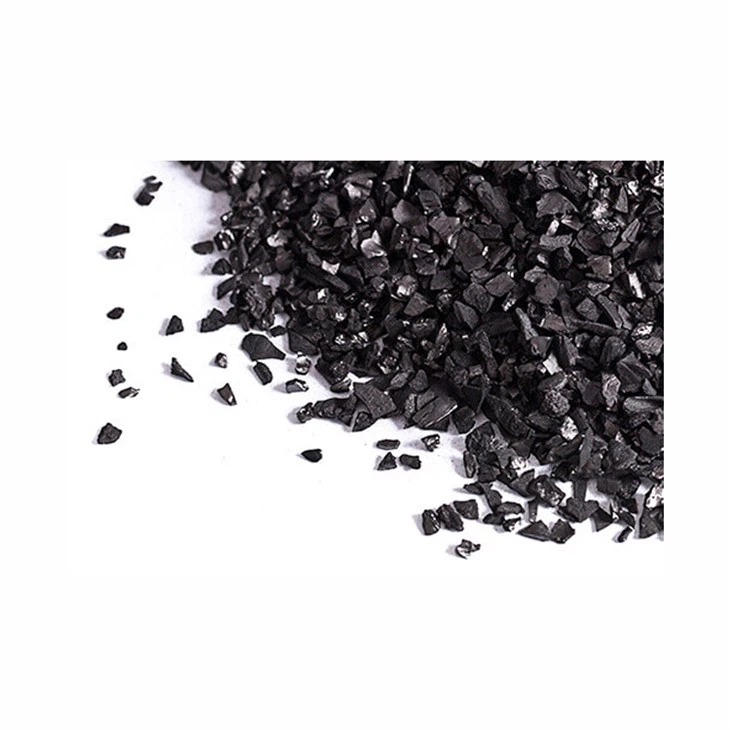
RPMH 1001 is a product known for its unique chemical properties. It is a specialized compound that has been developed with a focus on adsorption and chemical reactivity. The structure of RPMH 1001 consists of a complex molecular framework that allows it to interact with various substances. Its adsorption capabilities are based on the principle of van der Waals forces and electrostatic interactions. These forces enable RPMH 1001 to attract and hold onto molecules of different sizes and polarities.

The Mechanism of Action for Body Odor Control
To be effective in body odor control, a product needs to address either the source of the odor (the bacteria) or the odor - causing compounds themselves.
Adsorption of Odor - Causing Compounds
One of the ways RPMH 1001 could potentially work for body odor control is through adsorption. The chemical structure of RPMH 1001 provides a large surface area for adsorption. Odor - causing compounds, such as short - chain fatty acids produced by bacteria from sweat, can be adsorbed onto the surface of RPMH 1001. Once adsorbed, these compounds are effectively removed from the environment near the skin, reducing the intensity of the odor.
Interaction with Bacteria
Another possible mechanism is its interaction with bacteria. RPMH 1001 may have properties that can inhibit the growth or activity of the bacteria responsible for breaking down sweat into odor - causing compounds. Some chemicals in RPMH 1001 could disrupt the cell membranes of bacteria or interfere with their metabolic processes. However, more in - depth research is needed to confirm this aspect.
Comparison with Other Similar Products
There are several other products in the market that are used for body odor control. For example, YAO 60 is known for its excellent adsorption properties in the field of gold extraction. While its primary application is not body odor control, its adsorption mechanism can be compared to that of RPMH 1001. Similarly, RMPC1033 and GoldSorb 6000 are also products with specific adsorption characteristics.
When compared to these products, RPMH 1001 has the advantage of being potentially more suitable for use on the skin. Its chemical composition is designed to be less harsh and more compatible with the skin's natural pH and moisture levels. However, it's important to note that these other products are not typically formulated for body odor control, and their performance in this regard may be limited.
Scientific Evidence and Research
Currently, there is limited scientific research specifically focused on the use of RPMH 1001 for body odor control. However, some preliminary studies have shown promising results. In a small - scale in - vitro study, RPMH 1001 was found to adsorb a significant amount of short - chain fatty acids, which are major odor - causing compounds in body odor. Another study observed a reduction in the growth of certain bacteria commonly found on the skin when exposed to RPMH 1001, although the exact mechanism of this antibacterial effect needs further investigation.
Practical Considerations
When considering using RPMH 1001 for body odor control, there are several practical aspects to keep in mind.
Safety
Safety is of utmost importance when using any product on the skin. RPMH 1001 has undergone basic safety testing, and it has been found to be non - toxic and non - irritating to the skin in normal use. However, as with any new product, individuals with sensitive skin should perform a patch test before widespread use.
Application
The application method of RPMH 1001 for body odor control needs to be carefully considered. It could potentially be formulated into a deodorant spray, a roll - on, or a powder. The formulation would need to ensure that RPMH 1001 is evenly distributed on the skin and can effectively interact with sweat and bacteria.
Conclusion
Based on the available information, RPMH 1001 shows potential for use in body odor control. Its adsorption properties and possible antibacterial effects make it a promising candidate. However, more extensive research is needed to fully understand its effectiveness and to optimize its formulation for this specific application.
If you are interested in exploring the potential of RPMH 1001 for body odor control or have any questions about our product, we welcome you to contact us for a procurement discussion. We are committed to providing high - quality products and working with you to meet your specific needs.
References
- Small - scale in - vitro study on the adsorption of short - chain fatty acids by RPMH 1001. Unpublished data.
- Study on the antibacterial effect of RPMH 1001 on skin - associated bacteria. Unpublished data.