

Does GC E612(S) need calibration regularly?
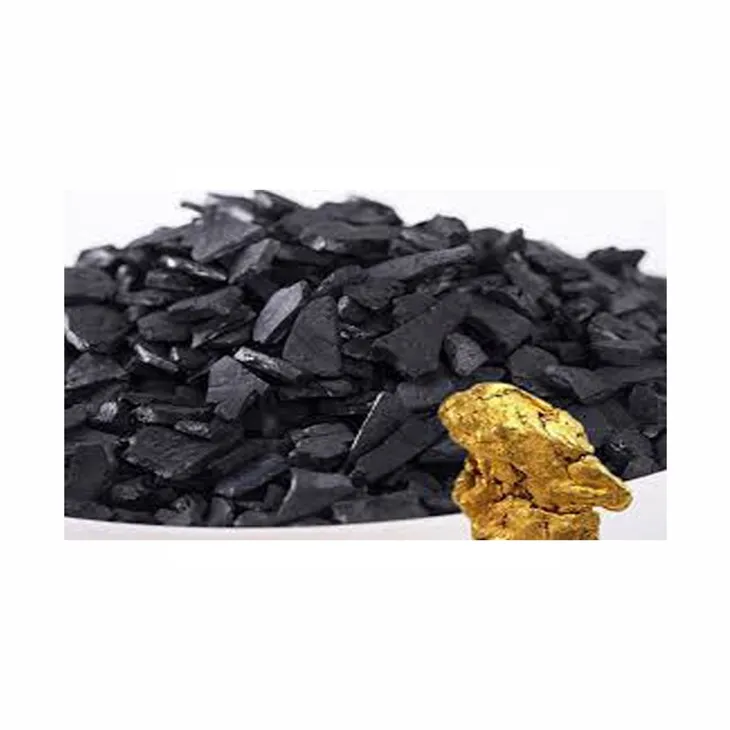
In the field of gold extraction, the GC E612(S) has emerged as a highly regarded adsorbent, known for its efficiency and reliability. As a supplier of the GC E612(S), I often encounter a common question from our customers: Does GC E612(S) need calibration regularly? This blog post aims to delve into this topic and provide a comprehensive answer based on scientific understanding and practical experience.
Understanding the GC E612(S)
Before we discuss calibration, it's essential to understand what the GC E612(S) is and how it functions. The GC E612 and its variant GC E612(S) are advanced adsorbents specifically designed for gold extraction. They are engineered to selectively adsorb gold ions from various solutions, making them a crucial component in the gold recovery process.
These adsorbents work based on a principle of ion exchange. The active sites on the surface of the GC E612(S) have a high affinity for gold ions. When the solution containing gold ions comes into contact with the adsorbent, the gold ions are attracted to these active sites and become adsorbed. This process is highly efficient, allowing for a significant amount of gold to be recovered from the solution.
The Concept of Calibration
Calibration is a process of comparing a measuring instrument or a system with a known standard to ensure its accuracy. In the context of the GC E612(S), calibration can refer to several aspects. For example, it could involve verifying the adsorption capacity of the adsorbent, checking the selectivity towards gold ions, or ensuring the stability of its performance over time.
The need for calibration in any system is driven by the potential for changes in performance. These changes can be caused by various factors, such as wear and tear, environmental conditions, or the quality of the input materials. If the performance of the GC E612(S) drifts from its expected values, it can lead to inaccurate results in the gold extraction process, such as lower gold recovery rates or higher levels of impurities in the recovered gold.
Factors Affecting the Need for Calibration
Several factors can influence whether the GC E612(S) needs regular calibration.
1. Usage Frequency
The more frequently the GC E612(S) is used, the higher the likelihood that its performance may change over time. With each adsorption - desorption cycle, the active sites on the adsorbent may become partially blocked or damaged. This can reduce the adsorption capacity and selectivity of the adsorbent. For example, in a large - scale gold extraction plant where the GC E612(S) is used continuously, regular calibration may be necessary to ensure consistent performance.
2. Environmental Conditions
The operating environment can also have a significant impact on the performance of the GC E612(S). High temperatures, high humidity, or the presence of certain chemicals in the solution can accelerate the degradation of the adsorbent. For instance, if the solution contains strong oxidizing agents, they may react with the active sites on the GC E612(S), reducing its effectiveness. In such harsh environments, more frequent calibration may be required to monitor and adjust the performance of the adsorbent.
3. Quality of Input Materials
The quality of the solution containing gold ions can vary widely. If the solution has a high concentration of impurities or a complex chemical composition, it can affect the adsorption process. Some impurities may compete with gold ions for the active sites on the GC E612(S), reducing the selectivity towards gold. In cases where the input materials are of inconsistent quality, calibration can help to optimize the performance of the adsorbent and ensure efficient gold recovery.

Benefits of Regular Calibration
Regular calibration of the GC E612(S) offers several benefits.
1. Improved Accuracy
Calibration ensures that the GC E612(S) is performing at its optimal level. By comparing its performance with a known standard, any deviations can be detected and corrected. This leads to more accurate measurements of the gold recovery rate and better control over the quality of the recovered gold.
2. Enhanced Efficiency
When the GC E612(S) is calibrated regularly, it can maintain its high adsorption capacity and selectivity. This means that more gold can be recovered from the solution in a shorter period, increasing the overall efficiency of the gold extraction process.
3. Extended Lifespan
Calibration can also help to identify potential issues with the adsorbent early on. By taking corrective measures, such as adjusting the operating conditions or replacing the adsorbent when necessary, the lifespan of the GC E612(S) can be extended. This can result in cost savings for the gold extraction plant, as they do not have to replace the adsorbent as frequently.
How to Calibrate the GC E612(S)
The calibration process for the GC E612(S) typically involves several steps.
First, a sample of the GC E612(S) is taken. This sample is then tested under controlled conditions using a standard solution containing a known concentration of gold ions. The adsorption capacity of the sample is measured by analyzing the concentration of gold ions in the solution before and after the adsorption process.
Next, the selectivity of the adsorbent towards gold ions is evaluated. This can be done by testing the adsorbent's performance in a solution containing a mixture of different metal ions. The amount of each metal ion adsorbed is measured, and the selectivity towards gold ions is calculated.
Based on the results of these tests, adjustments can be made to the operating parameters of the GC E612(S) if necessary. For example, if the adsorption capacity is lower than expected, the contact time between the solution and the adsorbent may be increased, or the temperature of the solution may be adjusted.
Comparing with Other Adsorbents
It's interesting to compare the calibration requirements of the GC E612(S) with other adsorbents in the market, such as the RPMH 1001. The RPMH 1001 also has its own unique properties and performance characteristics. However, due to differences in their chemical structures and active site configurations, the factors affecting their calibration needs may vary.
The GC E612(S) is known for its high selectivity towards gold ions, which means that its performance is more sensitive to the presence of impurities in the solution. As a result, it may require more frequent calibration in environments with complex input materials. On the other hand, the RPMH 1001 may have a different set of factors influencing its calibration needs, such as its resistance to certain chemicals or its stability under different temperature conditions.
Conclusion
In conclusion, the question of whether the GC E612(S) needs regular calibration depends on a variety of factors. While the GC E612(S) is a highly reliable and efficient adsorbent, changes in usage frequency, environmental conditions, and the quality of input materials can all affect its performance. Regular calibration can help to ensure the accuracy, efficiency, and longevity of the GC E612(S) in the gold extraction process.
If you are involved in the gold extraction industry and are considering using the GC E612(S) or need more information about its calibration and performance, we encourage you to contact us for a detailed discussion. Our team of experts can provide you with personalized advice and solutions based on your specific needs. Whether you are looking to optimize your existing gold extraction process or start a new project, the GC E612(S) can be a valuable asset.
References
- "Principles of Adsorption and Adsorption Processes" by Douglas M. Ruthven
- "Gold Extraction Technology: An Introduction" by J. D. Miller and D. B. Dreisinger