

How do antioxidants work in the body?
Antioxidants are like the unsung heroes of our bodies, quietly working to keep us healthy and functioning at our best. In this blog, I'll break down how antioxidants work in the body and why they're so important. And as an antioxidant supplier, I'll introduce some of the great products we offer.
What Are Free Radicals?
Before we dive into antioxidants, we need to understand free radicals. Free radicals are unstable molecules in our bodies that are missing an electron. They're formed through normal metabolic processes like digestion and exercise, but also by external factors such as pollution, smoking, and excessive sun exposure.
These free radicals are highly reactive. They go around stealing electrons from other molecules in our cells, like a bully taking toys from other kids on the playground. This process, called oxidation, can cause damage to our cells, proteins, and DNA. Over time, this damage can lead to a whole host of health problems, including aging, cancer, heart disease, and neurodegenerative disorders like Alzheimer's.
How Antioxidants Step In
Antioxidants are the knights in shining armor that come to the rescue. They're molecules that can donate an electron to free radicals without becoming unstable themselves. When an antioxidant gives an electron to a free radical, it neutralizes the free radical, making it stable and preventing it from causing further damage to our cells.
There are different types of antioxidants, and they work in different ways. Some antioxidants, like vitamin C and vitamin E, directly neutralize free radicals. Vitamin C is water - soluble, which means it can work in the watery parts of our cells and in our blood. Vitamin E, on the other hand, is fat - soluble, so it can protect the fatty parts of our cells, like cell membranes.
Other antioxidants work indirectly. They activate enzymes in our bodies that help to break down and remove free radicals. For example, glutathione is an antioxidant that plays a crucial role in the body's detoxification system. It helps the liver to process and eliminate toxins and free radicals from the body.
Antioxidants in the Body's Defense System
Our bodies have a built - in antioxidant defense system. It's like an army with different soldiers doing different jobs. Enzymes such as superoxide dismutase (SOD), catalase, and glutathione peroxidase are some of the key players in this system.
SOD converts superoxide radicals, a type of free radical, into hydrogen peroxide. Then, catalase and glutathione peroxidase work to convert hydrogen peroxide into water and oxygen, which are harmless to our bodies. This multi - step process ensures that free radicals are efficiently removed from our cells.
But sometimes, our body's natural antioxidant defense system can get overwhelmed. That's when we need to get antioxidants from our diet or supplements. Fruits, vegetables, nuts, and seeds are all rich sources of antioxidants. For example, berries like blueberries and strawberries are packed with antioxidants called anthocyanins, which have been shown to have anti - inflammatory and anti - cancer properties.
Our Antioxidant Products
As an antioxidant supplier, we offer a range of high - quality antioxidant products. One of our popular products is Irganox B215. It's a synergistic blend of primary and secondary antioxidants. The primary antioxidants in Irganox B215 can directly react with free radicals to stop the oxidation process, while the secondary antioxidants help to decompose hydroperoxides, which are intermediate products of oxidation. This combination makes it very effective in protecting polymers and other materials from oxidative degradation.
Another great product is Irganox 3114. It's a high - performance antioxidant that offers excellent heat stability. It can be used in a variety of applications, such as plastics, rubber, and lubricants. Irganox 3114 works by providing a stable radical through hydrogen donation, which then reacts with free radicals to terminate the oxidation chain reaction.
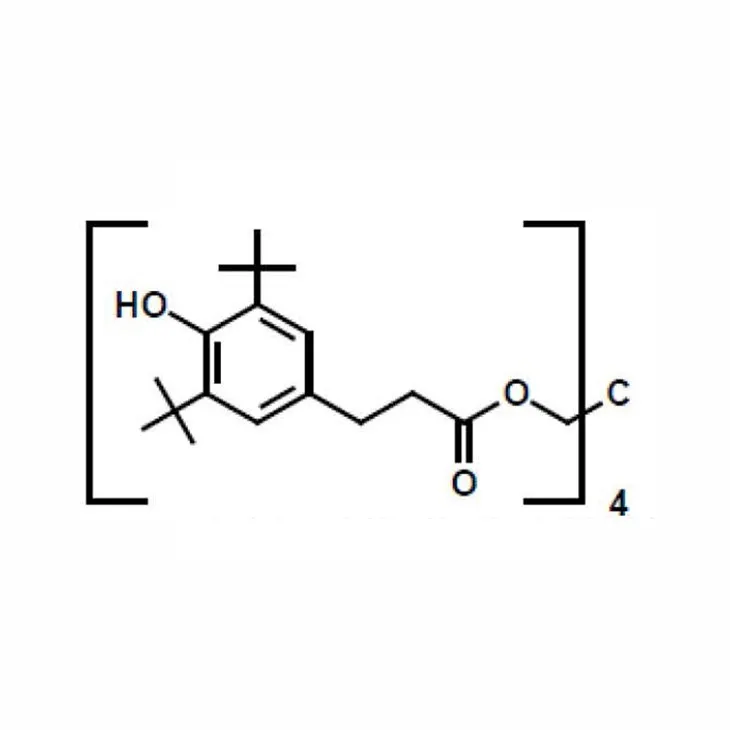
We also have AT - 10. This antioxidant is a hindered phenolic antioxidant with good compatibility with many polymers. It has a low volatility and high resistance to extraction, which means it can stay in the material for a long time and provide long - term protection against oxidation.
Why You Should Choose Our Antioxidants
Our antioxidants are carefully formulated and tested to ensure the highest quality. We use the latest technology and research to develop products that can meet the diverse needs of our customers. Whether you're in the plastics industry, the food industry, or any other field that requires antioxidant protection, our products can provide reliable solutions.
Our antioxidants are also cost - effective. We understand that in today's competitive market, cost is an important factor. That's why we aim to offer high - quality products at a reasonable price. We believe that everyone should have access to good - quality antioxidants without breaking the bank.
Contact Us for Procurement
If you're interested in our antioxidant products, we'd love to hear from you. Whether you need a small sample to test or a large - scale order for your business, we're here to help. Our team of experts can provide you with detailed information about our products, including their features, applications, and technical specifications.

Don't hesitate to reach out to us for procurement and start a discussion about how our antioxidants can benefit your products and your business. We're committed to providing excellent customer service and ensuring that you get the best antioxidant solutions for your needs.
References
- Halliwell, B., & Gutteridge, J. M. C. (2015). Free Radicals in Biology and Medicine. Oxford University Press.
- Finkel, T., & Holbrook, N. J. (2000). Oxidants, oxidative stress and the biology of ageing. Nature, 408(6809), 239 - 247.
- Prior, R. L., Wu, X., & Schaich, K. (2005). Standardized methods for the determination of antioxidant capacity and phenolics in foods and dietary supplements. Journal of Agricultural and Food Chemistry, 53(10), 4290 - 4302.