

How does Irgafos 168 protect polymers from oxidative cross - linking?
Hey there! As a supplier of Irgafos 168, I'm super excited to share with you how this amazing antioxidant protects polymers from oxidative cross - linking. Oxidative cross - linking can be a real headache for polymer manufacturers, leading to reduced product quality, shorter lifespan, and a whole bunch of other issues. But fear not, because Irgafos 168 is here to save the day!
What is Oxidative Cross - Linking in Polymers?
Before we dive into how Irgafos 168 works, let's quickly understand what oxidative cross - linking is. Polymers are long - chain molecules made up of repeating units. When exposed to oxygen, heat, light, or other environmental factors, these polymers can start to react with oxygen molecules. This reaction forms free radicals, which are highly reactive species. These free radicals can then cause the polymer chains to link together in an uncontrolled way, creating a cross - linked network.
This cross - linking might sound okay at first, but it can actually mess up the polymer's properties. For example, it can make the polymer more brittle, less flexible, and less resistant to chemicals. It can also change the polymer's melting point and processing characteristics, making it difficult to work with.
How Irgafos 168 Steps In
Irgafos 168 is a phosphite - based antioxidant. Its main job is to break the chain reaction of free radical formation during the oxidation process. When a polymer starts to oxidize, the first step is the formation of hydroperoxides. These hydroperoxides are unstable and can break down to form free radicals, which then go on to cause more oxidation and cross - linking.
Irgafos 168 reacts with these hydroperoxides before they can break down into free radicals. It decomposes the hydroperoxides into stable, non - radical products. This effectively stops the chain reaction of free radical formation and prevents oxidative cross - linking.
The reaction mechanism of Irgafos 168 with hydroperoxides is quite interesting. The phosphorus atom in Irgafos 168 has a lone pair of electrons, which makes it nucleophilic. It can attack the oxygen - oxygen bond in the hydroperoxide molecule. When it does this, it breaks the bond and forms a stable phosphate ester and an alcohol. These products are much less reactive than the hydroperoxides and free radicals, so they don't contribute to the oxidative cross - linking process.
Synergistic Effects with Other Antioxidants
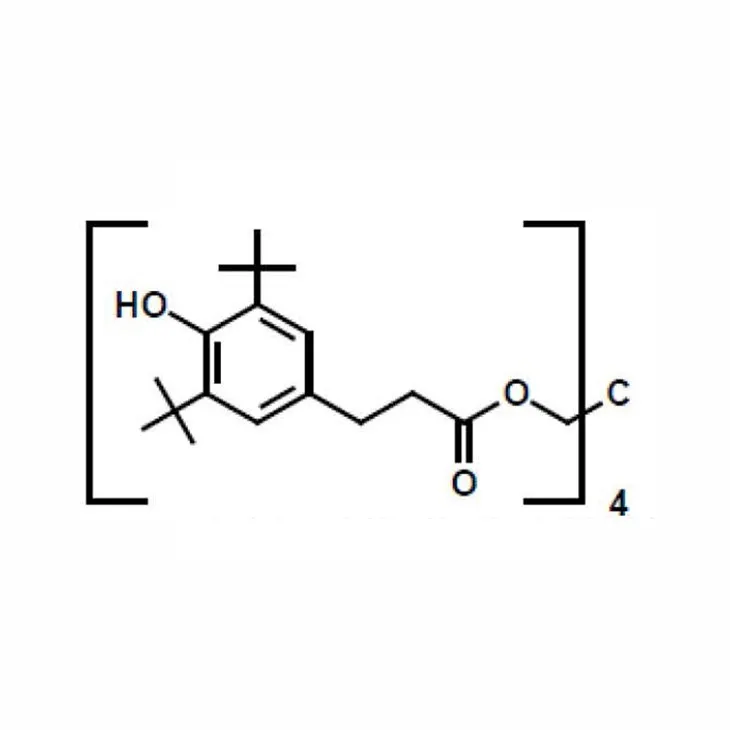
One of the great things about Irgafos 168 is that it works really well in combination with other antioxidants. For example, when used with a phenolic antioxidant like [AT - 10](/petrochemical/antioxidant/at - 10.html), the two antioxidants have a synergistic effect.
Phenolic antioxidants, like AT - 10, work by donating a hydrogen atom to the free radicals. This neutralizes the free radicals and stops them from causing further oxidation. However, phenolic antioxidants can be consumed during the reaction, and they may not be as effective at decomposing hydroperoxides.
On the other hand, Irgafos 168 is great at decomposing hydroperoxides but not as good at directly scavenging free radicals. When these two antioxidants are used together, they complement each other's functions. The phenolic antioxidant scavenges the free radicals, and Irgafos 168 decomposes the hydroperoxides, providing a more comprehensive protection against oxidative cross - linking.
Another antioxidant that can be used in combination with Irgafos 168 is [Irganox 3114](/petrochemical/antioxidant/irganox - 3114.html). Irganox 3114 is a high - performance antioxidant that can provide long - term thermal stability to polymers. When combined with Irgafos 168, it can enhance the overall antioxidant performance and further protect the polymer from oxidative cross - linking under different conditions, such as high - temperature processing or long - term exposure to the environment.
Applications of Irgafos 168
Irgafos 168 is widely used in various polymer applications. In the plastics industry, it is used in polyolefins, such as polyethylene and polypropylene. These polymers are commonly used in packaging, automotive parts, and consumer products. By adding Irgafos 168, manufacturers can improve the stability and durability of these products, ensuring that they maintain their quality over time.
In the rubber industry, Irgafos 168 can also be used to protect rubber compounds from oxidative cross - linking. Rubber products are often exposed to oxygen, heat, and mechanical stress, which can cause them to harden and crack over time. Irgafos 168 helps to prevent this by inhibiting the oxidation process and maintaining the rubber's flexibility and elasticity.
Benefits of Using Irgafos 168
There are several benefits to using Irgafos 168 in polymer applications. Firstly, it extends the lifespan of the polymer products. By preventing oxidative cross - linking, the polymer retains its original properties for a longer time, reducing the need for frequent replacements.
Secondly, it improves the processing performance of the polymers. Oxidative cross - linking can make polymers more difficult to process, as it can increase their viscosity and change their melting behavior. Irgafos 168 helps to keep the polymers in a more stable state during processing, making it easier to mold, extrude, or otherwise shape them into the desired products.
Thirdly, it enhances the overall quality of the polymer products. Products that are protected by Irgafos 168 are more resistant to environmental factors, such as heat, light, and oxygen. This means that they are less likely to develop defects, such as discoloration, brittleness, or cracking, which can improve their appearance and performance.
How to Use Irgafos 168
Using Irgafos 168 is relatively straightforward. It can be added to the polymer during the compounding or mixing process. The recommended dosage of Irgafos 168 depends on the type of polymer, the processing conditions, and the desired level of protection. In general, a dosage of 0.1% - 1% by weight is commonly used, but this can be adjusted based on specific requirements.
It's important to note that Irgafos 168 should be stored properly to maintain its effectiveness. It should be kept in a cool, dry place away from direct sunlight and moisture. Exposure to these environmental factors can cause the antioxidant to degrade, reducing its ability to protect the polymers.
Why Choose Our Irgafos 168?
As a supplier of Irgafos 168, we take pride in offering high - quality products. Our Irgafos 168 is manufactured using the latest technology and strict quality control measures. We ensure that our product meets the highest industry standards and provides reliable protection against oxidative cross - linking.

We also offer excellent customer service. Our team of experts is always ready to help you with any questions you may have about Irgafos 168, including its application, dosage, and compatibility with other additives. We can provide you with technical support and advice to ensure that you get the best results from using our product.
If you're in the market for a reliable antioxidant to protect your polymers from oxidative cross - linking, look no further than our [AT - 168](/petrochemical/antioxidant/at - 168.html). Whether you're a small - scale manufacturer or a large - scale industrial producer, we can meet your needs and provide you with the right solution.
Let's Talk!
If you're interested in learning more about Irgafos 168 or would like to discuss your specific requirements, don't hesitate to get in touch. We're eager to start a conversation and help you find the best antioxidant solution for your polymer products. Let's work together to enhance the quality and durability of your polymers!
References
- "Polymer Degradation and Stabilization" by Henning Hopfenberg.
- "Antioxidants in Polymers: Fundamentals and Applications" by Michael A. Moad and David H. Solomon.
- Technical literature from major antioxidant manufacturers.