

How is Cyanogran transported?
As a supplier of Cyanogran, a crucial chemical in various industrial applications, especially in the gold extraction industry, I understand the importance of safe and compliant transportation. Cyanogran, which typically contains cyanide compounds, is a hazardous substance, and its transportation requires strict adherence to international, national, and local regulations.
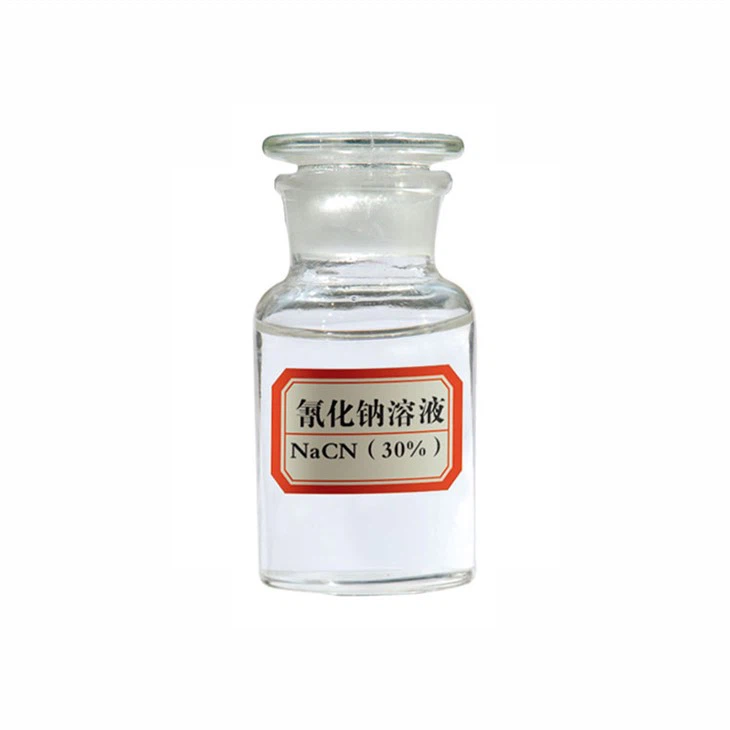

Understanding Cyanogran
Cyanogran is a form of cyanide-based product. Cyanides are well - known for their use in gold extraction processes, where they react with gold to form soluble complexes that can be further processed to obtain the precious metal. There are different types of cyanide compounds used in industries, such as Potassium Cyanide, Sodium Cyanide, and Sodium Cyanide Solution. These compounds are highly toxic, and their transportation needs to be carefully managed to prevent any potential risks to human health and the environment.
Pre - Transportation Preparations
Packaging
The first step in transporting Cyanogran is ensuring proper packaging. The packaging must be designed to withstand the rigors of transportation, including shocks, vibrations, and changes in temperature and pressure. For Cyanogran, it is usually packed in high - quality, sealed containers made of materials that are resistant to corrosion and leakage. The containers are clearly labeled with the name of the product, its chemical composition, and appropriate hazard warnings, such as "Poison" and "Danger - Cyanide".
Documentation
Accurate and comprehensive documentation is essential for the transportation of Cyanogran. This includes a detailed material safety data sheet (MSDS) that provides information on the properties, handling procedures, and emergency response measures for the product. The shipping documents also need to include the quantity of Cyanogran being transported, its origin, destination, and the names and contact information of the shipper and the consignee.
Regulatory Compliance
Before transporting Cyanogran, it is necessary to obtain all the required permits and approvals from relevant regulatory authorities. These authorities may include transportation departments, environmental protection agencies, and safety regulatory bodies. Compliance with international regulations such as the International Maritime Dangerous Goods (IMDG) Code for sea transportation or the International Air Transport Association (IATA) Dangerous Goods Regulations for air transportation is also mandatory.
Modes of Transportation
Road Transportation
Road transportation is a common method for transporting Cyanogran over short to medium distances. When using road transport, special trucks equipped with appropriate safety features are used. These trucks are designed to prevent any leakage or spillage of the product during transit. The drivers of these trucks are specially trained in handling hazardous materials and are aware of the emergency response procedures in case of an accident. They are also required to follow strict routes that are pre - approved by the regulatory authorities to minimize the risk to populated areas and sensitive environmental sites.
Rail Transportation
Rail transportation can be a cost - effective option for transporting large quantities of Cyanogran over long distances. Railcars used for transporting Cyanogran are designed to meet high safety standards. They are equipped with double - walled tanks and other safety features to prevent leakage. Rail transportation also benefits from the relatively stable and controlled environment of the railway network, which reduces the risk of accidents compared to road transport. However, rail transportation also requires careful coordination between the railway operators, shippers, and consignees to ensure timely and safe delivery.
Sea Transportation
For international shipments, sea transportation is often the preferred mode. When transporting Cyanogran by sea, it is shipped in accordance with the IMDG Code. Specialized containers or tankers are used to transport the product. These containers are carefully stowed on the ship to ensure stability and prevent any movement that could cause damage to the packaging. The ship's crew is trained in handling hazardous materials and is equipped with the necessary safety equipment and emergency response plans.
Air Transportation
Air transportation is generally used for urgent or high - value shipments of Cyanogran. However, due to the high risks associated with transporting hazardous materials by air, strict regulations are in place. The IATA Dangerous Goods Regulations govern the air transportation of Cyanogran. Only a limited quantity of the product can be transported by air, and it must be packed in accordance with the specific requirements of the IATA. The aircraft used for transporting Cyanogran are also equipped with safety features to prevent any potential hazards.
Safety Measures During Transportation
Monitoring
During transportation, continuous monitoring of the Cyanogran is necessary. This can include monitoring the temperature, pressure, and integrity of the packaging. For example, in the case of road and rail transportation, sensors can be installed in the containers to detect any changes in the product's condition. In sea and air transportation, the shipping companies also have monitoring systems in place to ensure the safety of the cargo.
Emergency Response Plans
All transportation operations involving Cyanogran must have well - defined emergency response plans. These plans outline the procedures to be followed in case of an accident, such as a spill or leakage. The plans include steps for containing the spill, protecting the environment and human health, and notifying the relevant emergency response teams. Emergency response equipment, such as spill kits and personal protective equipment, is also carried on board the transportation vehicles or vessels.
Post - Transportation Procedures
Unloading
Upon arrival at the destination, the unloading of Cyanogran must be carried out carefully. The unloading process should follow the same safety procedures as the transportation process. The consignee is responsible for ensuring that the product is unloaded into appropriate storage facilities that meet the safety requirements for storing cyanide compounds.
Inspection
After unloading, a thorough inspection of the packaging and the product is carried out. Any signs of damage or leakage during transportation are documented, and appropriate actions are taken. If there are any issues, the shipper and the transportation company are notified, and investigations may be carried out to determine the cause of the problem.
Conclusion
Transporting Cyanogran is a complex and highly regulated process that requires careful planning, strict adherence to safety standards, and compliance with various regulations. As a supplier, I am committed to ensuring that every step of the transportation process is carried out safely and responsibly. By following the best practices in packaging, documentation, mode selection, and safety measures, we can minimize the risks associated with transporting this hazardous substance.
If you are interested in purchasing Cyanogran for your industrial needs, I invite you to contact me for more information and to discuss your specific requirements. We can work together to ensure that the product is transported to your location safely and efficiently.
References
- International Maritime Dangerous Goods (IMDG) Code.
- International Air Transport Association (IATA) Dangerous Goods Regulations.
- Relevant national and local regulations on hazardous materials transportation.