

How should Cyanobrik be stored?
Cyanobrik, a highly effective and versatile chemical product, is widely used in various industrial applications, especially in the field of gold extraction. As a reliable Cyanobrik supplier, I understand the importance of proper storage to ensure the safety, stability, and efficacy of this product. In this blog post, I will share some essential guidelines on how Cyanobrik should be stored.
Understanding Cyanobrik
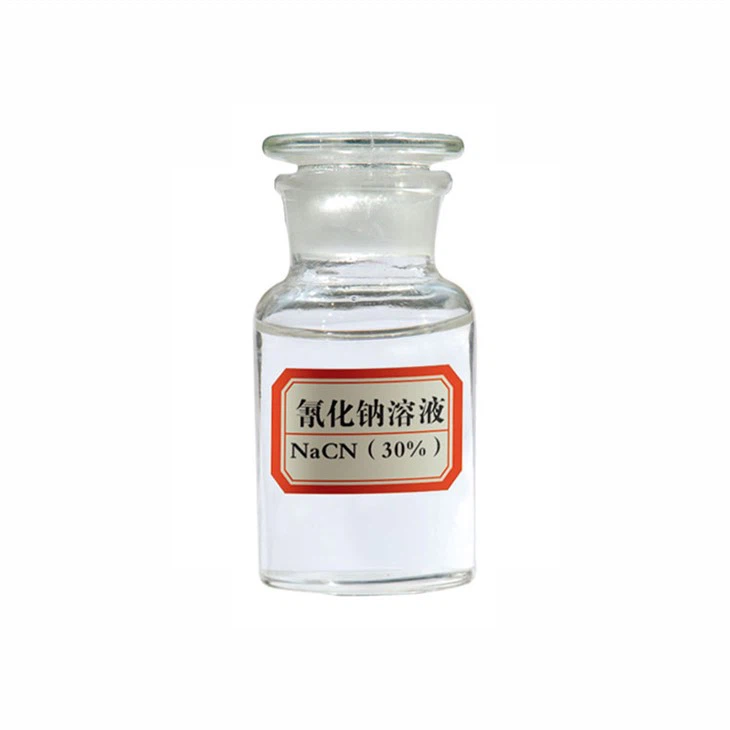
Before delving into the storage details, it's crucial to have a basic understanding of Cyanobrik. Cyanobrik is a form of cyanide-based compound, which is a powerful leaching agent in the gold mining industry. Similar to other cyanide products such as Potassium Cyanide, Sodium Cyanide Solution, and Sodium Cyanide, Cyanobrik can react with gold and other precious metals to form soluble complexes, facilitating their extraction from ores.
However, cyanide compounds are highly toxic and require strict handling and storage procedures to prevent any potential hazards. Therefore, proper storage of Cyanobrik is not only a matter of product quality but also a critical safety concern.
Storage Environment
Temperature and Humidity
Cyanobrik should be stored in a cool, dry place. High temperatures can accelerate the decomposition of cyanide compounds, leading to the release of toxic hydrogen cyanide gas. The ideal storage temperature for Cyanobrik is between 10°C and 30°C. Extreme heat can cause the product to degrade, reducing its effectiveness and increasing the risk of dangerous chemical reactions.
Humidity also plays a significant role in the storage of Cyanobrik. Excessive moisture can cause the product to clump or react with water, which may lead to the formation of unstable compounds. Therefore, the storage area should have a relative humidity of less than 60%. To maintain the appropriate humidity level, dehumidifiers can be installed in the storage facility if necessary.
Ventilation
Good ventilation is essential in the storage area of Cyanobrik. Adequate air circulation helps to prevent the accumulation of toxic gases that may be released during the storage process. The storage facility should be equipped with ventilation systems that can effectively remove any potentially harmful vapors. The ventilation rate should be sufficient to ensure that the concentration of hydrogen cyanide gas in the air remains below the permissible exposure limit.
Lighting
The storage area should have proper lighting, but it should be designed to avoid direct sunlight. Sunlight can cause photochemical reactions in cyanide compounds, which may lead to their degradation. Therefore, the storage facility should have opaque or tinted windows, or the product should be stored in sealed containers to protect it from sunlight.
Storage Containers
Compatibility
Cyanobrik should be stored in containers that are compatible with the product. The containers should be made of materials that do not react with cyanide compounds, such as high-density polyethylene (HDPE) or stainless steel. These materials are resistant to corrosion and can prevent the leakage of the product.
Sealing
The containers should be tightly sealed to prevent the entry of air, moisture, and other contaminants. A proper sealing mechanism ensures that the product remains stable and safe during storage. Additionally, the containers should be labeled clearly with the product name, batch number, and storage instructions to avoid any confusion.
Storage Racks
When storing Cyanobrik in containers, it is recommended to use storage racks. The racks should be sturdy and well-constructed to support the weight of the containers. They should also be arranged in a way that allows for easy access to the products and proper ventilation around the containers.
Safety Measures
Isolation
Cyanobrik should be stored separately from other chemicals, especially acids and oxidizing agents. Mixing cyanide compounds with acids can result in the immediate release of hydrogen cyanide gas, which is extremely toxic. Oxidizing agents can also react with cyanide compounds, leading to potentially dangerous chemical reactions. Therefore, it is essential to keep Cyanobrik in a dedicated storage area away from incompatible substances.
Warning Signs
The storage area should be clearly marked with warning signs indicating the presence of toxic chemicals. These signs should be visible from a distance and should comply with relevant safety regulations. The warning signs should include information about the hazards of cyanide compounds, such as toxicity, flammability, and reactivity.
Personal Protective Equipment (PPE)
Proper personal protective equipment should be available in the storage area. This includes gloves, goggles, respirators, and protective clothing. Anyone entering the storage area should be trained on the proper use of PPE and should wear it at all times to minimize the risk of exposure to cyanide compounds.
Emergency Response Plan
A comprehensive emergency response plan should be in place in case of any spills, leaks, or other accidents involving Cyanobrik. The plan should include procedures for evacuating the area, notifying emergency responders, and dealing with the spillage. Regular drills should be conducted to ensure that all employees are familiar with the emergency response procedures.

Monitoring and Inspection
Regular Checks
Regular monitoring and inspection of the storage area are necessary to ensure the safety and integrity of Cyanobrik. This includes checking the temperature, humidity, and ventilation in the storage facility, as well as inspecting the containers for any signs of damage or leakage. Any issues should be addressed immediately to prevent potential hazards.
Quality Control
Periodic quality control checks should be carried out on the stored Cyanobrik to ensure its effectiveness. This may involve testing the product for its chemical composition, purity, and reactivity. If the product fails to meet the required quality standards, appropriate measures should be taken, such as replacing the product or adjusting the storage conditions.
Conclusion
Proper storage of Cyanobrik is of utmost importance to ensure its safety, stability, and efficacy. By following the guidelines outlined in this blog post, including maintaining the appropriate storage environment, using compatible containers, implementing safety measures, and conducting regular monitoring and inspection, you can minimize the risks associated with storing Cyanobrik and ensure its optimal performance.
If you are interested in purchasing Cyanobrik or have any questions about its storage or application, please feel free to contact us for further information and to initiate a procurement discussion. We are committed to providing high-quality products and professional services to meet your specific needs.
References
- "Safety Guidelines for Cyanide Compounds in Industrial Applications," Chemical Safety Council.
- "Best Practices for Storage of Hazardous Chemicals," International Journal of Chemical Safety.
- "Cyanide Management in the Gold Mining Industry," Mining Technology Review.