

Is 143 - 33 - 9 toxic?
In the realm of chemical substances, the question of toxicity is of paramount importance. Today, we delve into the topic of whether 143 - 33 - 9 is toxic. As a supplier of 143 - 33 - 9, I am well - versed in the properties and applications of this chemical, and I aim to provide a comprehensive and scientifically - sound analysis.
First, let's clarify what 143 - 33 - 9 refers to. The number 143 - 33 - 9 is the CAS (Chemical Abstracts Service) registry number for Sodium Cyanide. Sodium Cyanide is a well - known and widely used chemical compound, with its own unique set of chemical and physical properties. To learn more about Sodium Cyanide, you can visit Sodium Cyanide.
Chemical Properties and Toxicity Mechanism
Sodium Cyanide is a highly toxic substance. Chemically, it is a white, water - soluble solid with the chemical formula NaCN. When it comes into contact with acids, even weak acids, it can release hydrogen cyanide gas (HCN), which is extremely toxic. The toxicity of Sodium Cyanide stems from the cyanide ion (CN⁻). The cyanide ion has a high affinity for iron in the cytochrome oxidase enzyme in cells. By binding to this enzyme, it inhibits the normal process of cellular respiration. This means that cells are unable to effectively use oxygen to produce energy, leading to rapid cell death. In the human body, this can cause a series of severe symptoms, including difficulty breathing, dizziness, nausea, seizures, and in high - dose or prolonged exposure cases, it can be fatal.
Industrial Applications and Associated Risks
Despite its high toxicity, Sodium Cyanide has several important industrial applications. One of the most significant uses is in the gold mining industry. In gold extraction, Sodium Cyanide acts as a leaching agent. It forms a soluble complex with gold, allowing the precious metal to be separated from the ore. To understand more about its use in gold extraction, you can refer to Sodium Cyanide. However, this application also poses significant risks. If not properly managed, the release of Sodium Cyanide into the environment can have catastrophic consequences. It can contaminate water sources, killing aquatic life and posing a threat to human health through the consumption of contaminated water or food.
In addition to gold mining, Sodium Cyanide is also used in the electroplating industry. It helps in depositing a thin layer of metal on the surface of objects. But again, the handling of this chemical in electroplating plants requires strict safety protocols to prevent exposure to workers and the environment.

Comparison with Other Cyanide Compounds
Another commonly known cyanide compound is Potassium Cyanide (KCN). Potassium Cyanide has similar toxicity to Sodium Cyanide. Both release cyanide ions in solution, and their toxic effects are based on the same mechanism of inhibiting cellular respiration. For more information about Potassium Cyanide, you can visit Potassium Cyanide.
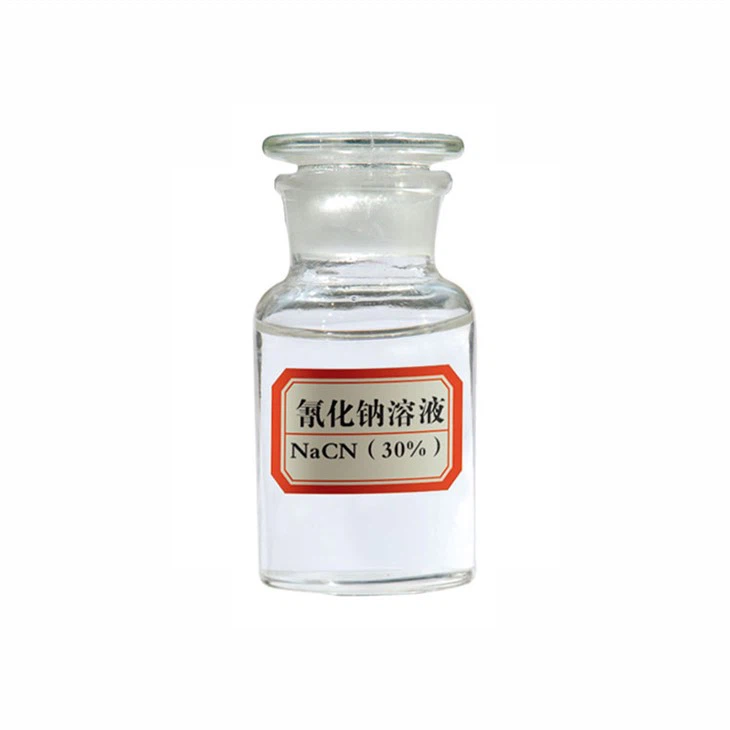
There is also Sodium Cyanide Solution, which is a pre - made solution of Sodium Cyanide in water. This form can be more convenient for some industrial applications, but it still retains the high toxicity of Sodium Cyanide. To learn about Sodium Cyanide Solution, you can check Sodium Cyanide Solution.
Safety Measures for Handling 143 - 33 - 9
As a supplier of 143 - 33 - 9 (Sodium Cyanide), I am acutely aware of the importance of safety. When handling Sodium Cyanide, strict safety measures must be in place. Workers should wear appropriate personal protective equipment (PPE), including respirators, gloves, and goggles. Storage facilities should be well - ventilated, dry, and separated from acids. In case of a spill, immediate action should be taken to contain and neutralize the spill to prevent the release of hydrogen cyanide gas.
Regulatory Framework
Due to its high toxicity, Sodium Cyanide is tightly regulated around the world. Governments have established strict laws and regulations regarding its production, storage, transportation, and use. These regulations aim to protect human health and the environment. For example, in the transportation of Sodium Cyanide, special containers and vehicles are required, and drivers must be trained in handling hazardous materials.
Our Role as a Supplier
As a supplier of 143 - 33 - 9, we are committed to providing high - quality Sodium Cyanide while ensuring the safety of our customers and the environment. We work closely with our customers to provide them with all the necessary safety information and guidance. We also ensure that our products meet all the relevant regulatory requirements. Our products are carefully packaged and labeled to clearly indicate the hazards and safety precautions.
Conclusion
In conclusion, 143 - 33 - 9 (Sodium Cyanide) is indeed a highly toxic substance. Its toxicity is well - established through scientific research, and its industrial applications come with significant risks. However, when handled with proper safety measures and in accordance with regulatory requirements, it can still be used effectively in various industries.
If you are in need of 143 - 33 - 9 for your industrial applications, we invite you to contact us for procurement discussions. We are ready to provide you with the best - quality products and comprehensive support.
References
- National Institute for Occupational Safety and Health (NIOSH). "Cyanides." NIOSH Pocket Guide to Chemical Hazards.
- World Health Organization (WHO). "Cyanide." Environmental Health Criteria 61.