

What are the environmental impacts of KCN?
Potassium cyanide (KCN) is a highly toxic and important industrial chemical that has been widely used in various industries, including mining, electroplating, and chemical synthesis. As a KCN supplier, I am well - aware of its applications and the need to address its environmental impacts. In this blog, I will discuss the environmental implications of KCN, including its sources, fate in the environment, and potential effects on ecosystems and human health.
Sources of KCN in the Environment
The primary sources of KCN in the environment are industrial activities. In the mining industry, KCN is used as a leaching agent to extract gold and silver from ores. The process involves dissolving the precious metals in a cyanide solution, which forms a stable complex that can be easily separated from the ore. The use of KCN in gold mining is widespread, especially in large - scale operations. For more information on similar leaching agents, you can visit Sodium Cyanide and Potassium Cyanide.
In the electroplating industry, KCN is used to provide a smooth and uniform coating of metals such as gold, silver, and copper on various substrates. The cyanide ions in KCN help to dissolve the metal salts and maintain the plating bath's stability. Additionally, KCN is used in the production of various organic chemicals, such as nitriles and cyanohydrins, which are important intermediates in the synthesis of pharmaceuticals, pesticides, and plastics.
Fate of KCN in the Environment
When KCN is released into the environment, it can undergo several processes that determine its fate. In water, KCN dissociates into potassium ions (K⁺) and cyanide ions (CN⁻). Cyanide ions are highly reactive and can react with various substances in the environment.
One of the most important reactions of cyanide in water is its reaction with oxygen. In the presence of oxygen and sunlight, cyanide can be oxidized to less toxic compounds such as cyanate (CNO⁻) and eventually to carbon dioxide and nitrogen. However, this oxidation process is relatively slow, especially in cold and dark conditions.
Cyanide can also react with metals in the water to form metal - cyanide complexes. These complexes can be more stable and less toxic than free cyanide ions. Some metals, such as iron, can form very stable complexes with cyanide, which can reduce the bioavailability of cyanide in the environment.
In soil, KCN can be adsorbed onto soil particles, especially those with high clay and organic matter content. The adsorption of cyanide onto soil particles can reduce its mobility and bioavailability. However, under certain conditions, such as high soil pH or the presence of chelating agents, cyanide can be desorbed from the soil and released back into the environment.
Effects on Ecosystems
KCN can have significant effects on ecosystems, especially aquatic ecosystems. Cyanide is highly toxic to most aquatic organisms, including fish, invertebrates, and plants. Even at low concentrations, cyanide can interfere with the normal physiological processes of these organisms.
Fish are particularly sensitive to cyanide. Cyanide inhibits the activity of cytochrome c oxidase, an enzyme involved in the electron transport chain in mitochondria. This inhibition prevents the cells from using oxygen effectively, leading to suffocation and death. Invertebrates, such as insects, crustaceans, and mollusks, are also affected by cyanide. Cyanide can disrupt their respiratory and nervous systems, leading to reduced growth, reproduction, and survival.
Aquatic plants can also be affected by cyanide. Cyanide can inhibit photosynthesis by interfering with the uptake of carbon dioxide and the synthesis of chlorophyll. This can lead to reduced plant growth and productivity, which can have cascading effects on the entire aquatic ecosystem.
In terrestrial ecosystems, KCN can affect soil microorganisms and plants. Cyanide can inhibit the activity of soil enzymes and reduce the decomposition of organic matter, which can affect soil fertility. Plants exposed to cyanide can show symptoms such as leaf chlorosis, stunted growth, and reduced root development.
Effects on Human Health
Exposure to KCN can have severe effects on human health. Inhalation, ingestion, or skin contact with KCN can lead to acute cyanide poisoning. The symptoms of acute cyanide poisoning include headache, dizziness, nausea, vomiting, rapid breathing, and in severe cases, coma and death.
Cyanide binds to the iron in cytochrome c oxidase in the mitochondria, preventing the normal transfer of electrons and the production of ATP (adenosine triphosphate), the energy currency of the cell. This leads to a lack of energy in the cells, which can cause damage to vital organs such as the brain, heart, and liver.
Chronic exposure to low levels of cyanide can also have long - term health effects. Chronic exposure to cyanide has been associated with neurological disorders, such as ataxia and optic neuropathy, as well as thyroid problems and reproductive disorders.
Mitigation and Management
As a KCN supplier, I understand the importance of minimizing the environmental impacts of KCN. There are several strategies that can be used to mitigate the environmental impacts of KCN.
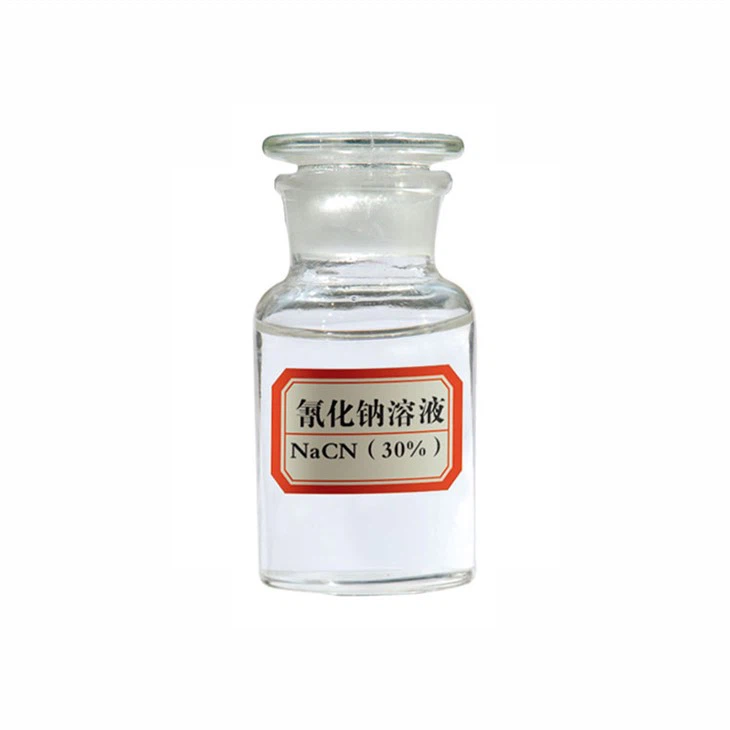
In the mining industry, the use of alternative leaching agents is being explored. For example, Sodium Cyanide Solution is sometimes used as an alternative to KCN. Additionally, the development of more efficient cyanide recovery and recycling technologies can reduce the amount of cyanide released into the environment.
In industrial processes, proper handling and storage of KCN are essential. This includes using appropriate safety equipment, such as gloves, goggles, and respirators, and storing KCN in tightly sealed containers in a well - ventilated area.
For the treatment of cyanide - contaminated water and soil, several methods can be used. Chemical oxidation methods, such as the use of hydrogen peroxide or ozone, can be used to convert cyanide to less toxic compounds. Biological treatment methods, such as the use of cyanide - degrading bacteria, can also be effective in removing cyanide from the environment.
Conclusion
KCN is a highly toxic chemical with significant environmental impacts. Its use in various industries has led to its release into the environment, where it can affect ecosystems and human health. As a KCN supplier, I am committed to promoting the safe and responsible use of KCN. By implementing proper management and mitigation strategies, we can reduce the environmental impacts of KCN and ensure a sustainable future.
If you are interested in purchasing KCN for your industrial needs, please feel free to contact us for further discussion on procurement and usage guidelines. We are dedicated to providing high - quality products and ensuring that all environmental and safety standards are met.

References
- ATSDR (Agency for Toxic Substances and Disease Registry). (2006). Toxicological Profile for Cyanide.
- Nriagu, J. O., & Pacyna, J. M. (1988). Quantitative assessment of worldwide contamination of air, water and soils by trace metals. Nature, 333(6171), 134 - 139.
- USEPA (United States Environmental Protection Agency). (2016). Cyanide in the Environment: Sources, Fate, and Effects.