

What are the disposal methods for KCN?
Hey there! As a supplier of KCN (Potassium Cyanide), I often get asked about the proper disposal methods for this chemical. It's super important to handle KCN with extreme care due to its high toxicity. In this blog, I'll share some of the common disposal methods for KCN and why it's crucial to do it right.
First off, let's understand why proper disposal of KCN is a big deal. Potassium Cyanide is highly toxic and can pose serious risks to human health and the environment if not disposed of correctly. When KCN comes into contact with acids, it can release hydrogen cyanide gas, which is extremely dangerous and can be fatal if inhaled. So, we need to make sure we're following the right procedures to keep everyone safe.
One of the most common disposal methods for KCN is oxidation. Oxidation involves converting the cyanide into less toxic compounds. One way to do this is by using a strong oxidizing agent like sodium hypochlorite, which is commonly found in bleach. When KCN reacts with sodium hypochlorite, it forms less toxic cyanate and chloride ions. The reaction can be represented by the following equation:
2KCN + 5NaOCl + H2O → 2CO2 + N2 + 2KCl + 5NaCl
Before you start the oxidation process, it's important to make sure you're working in a well - ventilated area and wearing appropriate personal protective equipment (PPE) such as gloves, goggles, and a respirator. You'll also need to carefully control the pH of the solution. The oxidation reaction works best at a pH of around 10 - 11. You can use a pH meter to monitor and adjust the pH as needed.
Another method for disposing of KCN is by precipitation. This involves adding a metal salt to the KCN solution to form an insoluble metal cyanide precipitate. For example, adding copper sulfate to a KCN solution can form copper cyanide precipitate. The reaction is as follows:
2KCN + CuSO4 → Cu(CN)2↓+ K2SO4
Once the precipitate is formed, it can be filtered out and disposed of as hazardous waste. However, this method has some limitations. The metal cyanide precipitates are still toxic and need to be handled carefully. Also, the effectiveness of precipitation can be affected by factors such as the concentration of KCN and the presence of other contaminants in the solution.

Biological treatment is also an option for KCN disposal. Some microorganisms have the ability to break down cyanide into less toxic compounds. This process is known as biodegradation. In a biological treatment system, the KCN solution is introduced into a reactor where the microorganisms can thrive. The microorganisms use the cyanide as a source of carbon and nitrogen, converting it into carbon dioxide, ammonia, and other harmless substances. However, biological treatment requires a carefully controlled environment and can take a relatively long time to complete.
It's important to note that local regulations play a huge role in KCN disposal. Different regions may have different rules and requirements regarding the disposal of hazardous chemicals like KCN. Before you start any disposal process, make sure you check with your local environmental protection agency or relevant regulatory body. They can provide you with detailed information on the proper procedures and any permits you may need.
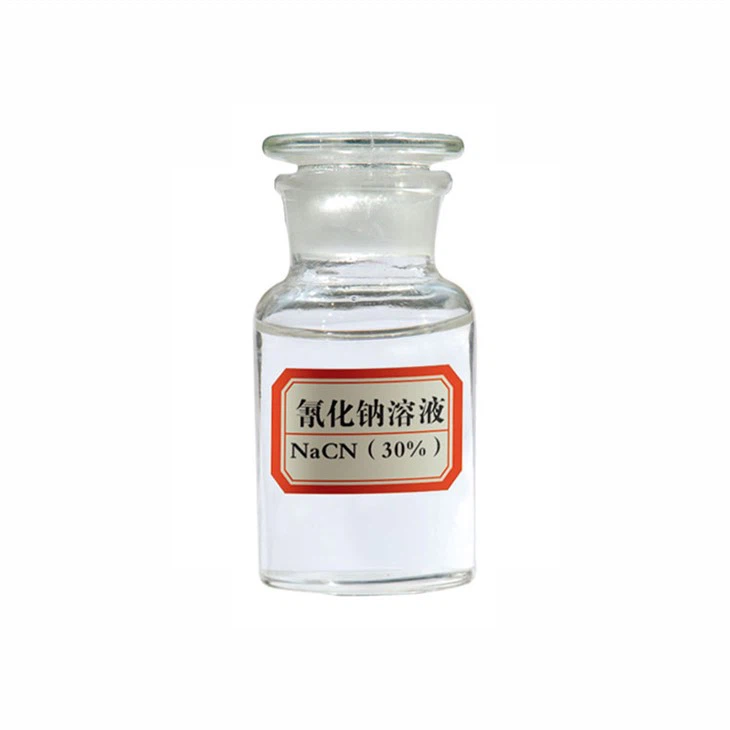
Now, let's talk a bit about the products I supply. We offer high - quality Potassium Cyanide for various industrial applications. Potassium Cyanide is widely used in gold extraction, electroplating, and the production of certain chemicals. We also supply Sodium Cyanide and Sodium Cyanide Solution, which are also important leaching agents in the mining industry.
If you're in the market for these products, we're here to help. We have a team of experts who can provide you with technical support and advice on the proper use and handling of these chemicals. Whether you're a small - scale mining operation or a large industrial facility, we can offer you the right products at competitive prices.
In conclusion, proper disposal of KCN is essential for protecting human health and the environment. Oxidation, precipitation, and biological treatment are some of the common methods for KCN disposal, but it's crucial to follow local regulations. If you're interested in purchasing KCN, Sodium Cyanide, or Sodium Cyanide Solution, don't hesitate to reach out for a procurement discussion. We're committed to providing you with the best products and services.
References
- "Handbook of Cyanide Treatment Technologies"
- "Environmental Chemistry of Cyanide"