

Where is AT - 10 commonly used?
As a supplier of AT - 10, I am often asked about the common applications of this remarkable antioxidant. AT - 10, a high - performance hindered phenolic antioxidant, has found its way into numerous industries due to its excellent stability and protective properties. In this blog, I will explore the diverse fields where AT - 10 is commonly used.
Plastics Industry
The plastics industry is one of the largest consumers of AT - 10. Plastics are widely used in various applications, from packaging materials to automotive parts. However, they are prone to oxidation, which can lead to degradation, discoloration, and a reduction in mechanical properties. AT - 10 acts as a powerful antioxidant, preventing the oxidation process and extending the lifespan of plastic products.
In polyolefins, such as polyethylene (PE) and polypropylene (PP), AT - 10 is added during the manufacturing process. These polymers are used in a vast range of products, including plastic bags, pipes, and automotive interiors. By incorporating AT - 10, the plastic products can withstand environmental stressors such as heat, light, and oxygen. For example, in outdoor plastic furniture, AT - 10 helps prevent the material from becoming brittle and cracking over time, ensuring that the furniture remains durable and aesthetically pleasing.
In engineering plastics like polycarbonate (PC) and polyamide (PA), AT - 10 also plays a crucial role. These plastics are used in high - performance applications, such as electronic components and aerospace parts. The antioxidant properties of AT - 10 help maintain the mechanical strength and electrical properties of these plastics, even under harsh operating conditions.
Rubber Industry
The rubber industry also benefits greatly from the use of AT - 10. Rubber products, such as tires, seals, and gaskets, are exposed to various environmental factors that can cause oxidation and aging. AT - 10 is added to rubber compounds to improve their resistance to oxidation, ozone, and heat.
In tire manufacturing, AT - 10 helps prevent the rubber from hardening and cracking, which is essential for ensuring the safety and performance of the tires. Tires are constantly exposed to high temperatures, oxygen, and ozone during use, and without proper protection, they can deteriorate quickly. By using AT - 10, tire manufacturers can produce tires with a longer service life and better performance.
Seals and gaskets are another important application in the rubber industry. These components are used to prevent leakage in various mechanical systems, such as engines and pipelines. AT - 10 helps maintain the elasticity and sealing properties of the rubber, ensuring that the seals and gaskets function effectively over an extended period.
Petroleum and Lubricant Industry
In the petroleum and lubricant industry, AT - 10 is used to improve the stability and performance of fuels and lubricants. Fuels, such as gasoline and diesel, are prone to oxidation during storage and use, which can lead to the formation of gums and deposits. These deposits can clog fuel injectors and reduce engine performance. AT - 10 is added to fuels to prevent oxidation and maintain their quality.
Lubricants, such as engine oils and gear oils, also require protection against oxidation. Oxidation can cause the lubricant to thicken, reduce its viscosity, and form sludge. This can lead to increased wear and tear on engine components and reduced efficiency. AT - 10 helps prevent these issues by inhibiting the oxidation process, ensuring that the lubricants maintain their performance and protect the machinery.
Adhesive and Coating Industry
The adhesive and coating industry also makes extensive use of AT - 10. Adhesives are used to bond different materials together, while coatings are applied to protect and enhance the appearance of surfaces. Both adhesives and coatings are exposed to environmental factors that can cause oxidation and degradation.
In adhesives, AT - 10 helps maintain the bonding strength and durability of the adhesive. It prevents the adhesive from breaking down over time, ensuring that the bonded materials remain securely attached. For example, in construction adhesives used to bond building materials, AT - 10 helps ensure the long - term stability of the bond, even in harsh environmental conditions.
In coatings, AT - 10 is used to improve the weather resistance and durability of the coating. It helps prevent the coating from fading, cracking, and peeling, which is important for maintaining the aesthetic appeal and protective properties of the coated surface. For example, in automotive coatings, AT - 10 helps the paint retain its color and shine, even after long - term exposure to sunlight and other environmental factors.
Comparison with Other Antioxidants
When compared with other antioxidants such as Irgafos168 and Irganox B215, AT - 10 has its own unique advantages. Irgafos168 is a phosphite - based antioxidant, which is mainly used as a secondary antioxidant in combination with primary antioxidants. It is effective in preventing the thermal oxidation of polymers during processing. Irganox B215 is a blend of a phenolic antioxidant and a phosphite antioxidant, which provides a balanced protection against oxidation during both processing and long - term use.
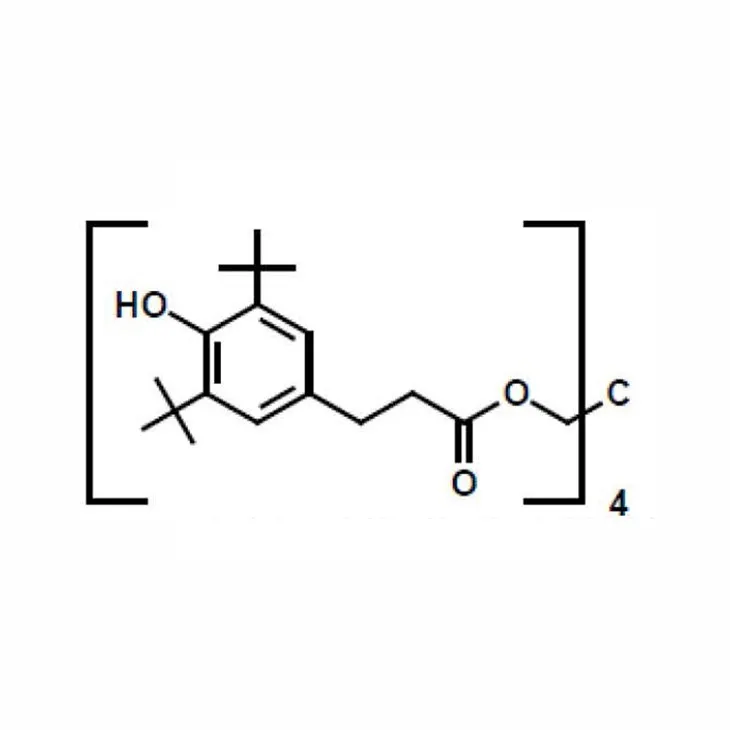
AT - 10, on the other hand, is a pure hindered phenolic antioxidant. It has excellent long - term stability and is particularly effective in preventing the oxidation of polymers during long - term storage and use. It is also compatible with a wide range of polymers, making it a versatile choice for many applications. In some cases, AT - 10 can be used alone, while in other cases, it can be combined with other antioxidants to achieve better performance.

Conclusion
AT - 10 is a versatile and effective antioxidant that is widely used in various industries. Its ability to prevent oxidation and extend the lifespan of products makes it an essential additive in plastics, rubber, petroleum, adhesives, and coatings. As a supplier of AT - 10, I am committed to providing high - quality products to meet the diverse needs of our customers.
If you are interested in purchasing AT - 10 for your specific application, I encourage you to contact us for more information and to discuss your procurement needs. Our team of experts is ready to assist you in finding the best solution for your business.
References
- "Handbook of Polymer Degradation", Second Edition, edited by Mahendra S. Shia.
- "Rubber Technology: Compounding, Testing, and Applications", edited by Maurice Morton.
- "Petroleum Refining: Technology and Economics", Fourth Edition, by James G. Speight.