

What is the chemical structure of Irgafos 168?
Irgafos 168 is a well - known and widely used organophosphite antioxidant in the polymer industry. As a reliable Irgafos 168 supplier, I am often asked about its chemical structure, and in this blog, I will provide a detailed introduction to it.
Basic Information of Irgafos 168
Irgafos 168, with the chemical name tris(2,4 - di - tert - butylphenyl) phosphite, is a key additive in the field of polymer stabilization. It plays a crucial role in preventing the thermal and oxidative degradation of polymers during processing and long - term use. This antioxidant is highly compatible with a variety of polymers, including polyolefins, styrenics, engineering plastics, and elastomers.
Chemical Structure of Irgafos 168
The chemical formula of Irgafos 168 is C₄₂H₆₃O₃P. Its structure consists of a central phosphorus atom (P) bonded to three oxygen atoms (O). Each oxygen atom is then connected to a 2,4 - di - tert - butylphenyl group.
Let's break down the structure step by step. The 2,4 - di - tert - butylphenyl group is a substituted benzene ring. The benzene ring is a six - membered carbon ring with alternating single and double bonds, which gives it aromatic properties. At the 2 - and 4 - positions of the benzene ring, there are tert - butyl groups. A tert - butyl group is a branched alkyl group with the formula - C(CH₃)₃.
The central phosphorus atom in Irgafos 168 has a valence of + 3 in this compound. The P - O - C bonds in the molecule are relatively stable, which is important for the antioxidant's performance. The three 2,4 - di - tert - butylphenyl groups around the phosphorus atom provide steric hindrance. This steric hindrance protects the phosphorus atom and the P - O bonds from being easily attacked by other reactive species, such as free radicals and oxygen molecules.
The presence of the tert - butyl groups on the phenyl rings also enhances the solubility and compatibility of Irgafos 168 in polymers. These bulky groups increase the lipophilicity of the molecule, allowing it to dissolve well in non - polar polymer matrices.
Mechanism of Action Based on the Chemical Structure
The antioxidant mechanism of Irgafos 168 is closely related to its chemical structure. During the processing of polymers at high temperatures, polymers are prone to thermal oxidation, generating free radicals. These free radicals can react with oxygen to form peroxy radicals, which further react with polymers, leading to chain scission, cross - linking, and other degradation reactions.
Irgafos 168 can react with peroxy radicals. The phosphorus atom in Irgafos 168 can donate an electron pair to the peroxy radical, converting the peroxy radical into a relatively stable alkoxy radical. At the same time, Irgafos 168 is oxidized to a phosphate compound. This reaction effectively interrupts the radical chain reaction of polymer oxidation, thereby protecting the polymer from degradation.
Comparison with Other Antioxidants
When compared with other antioxidants such as Irganox B215 and AT - 10, Irgafos 168 has its own unique advantages. Irganox B215 is a blend of Irgafos 168 and Irganox 1010. The combination of the two provides a synergistic effect, where Irgafos 168 mainly acts during the processing stage to prevent thermal oxidation, while Irganox 1010 provides long - term stability against oxidative degradation during the use of the polymer.
AT - 10 is a hindered phenolic antioxidant. It works by donating a hydrogen atom to free radicals, converting the free radicals into stable molecules. In contrast, Irgafos 168 acts mainly by reacting with peroxy radicals through its phosphorus - containing structure. The two types of antioxidants can be used together to achieve better antioxidant performance.
Applications in Different Industries
Due to its excellent antioxidant properties, Irgafos 168 is widely used in various industries. In the plastics industry, it is added to polypropylene, polyethylene, and other polyolefins to improve their processing stability and long - term performance. For example, in the production of plastic pipes, Irgafos 168 can prevent the pipes from becoming brittle and cracking during long - term use, ensuring their durability.
In the rubber industry, Irgafos 168 can be used to protect rubber products from oxidation and aging. It helps to maintain the elasticity and mechanical properties of rubber, extending the service life of rubber products such as tires and seals.

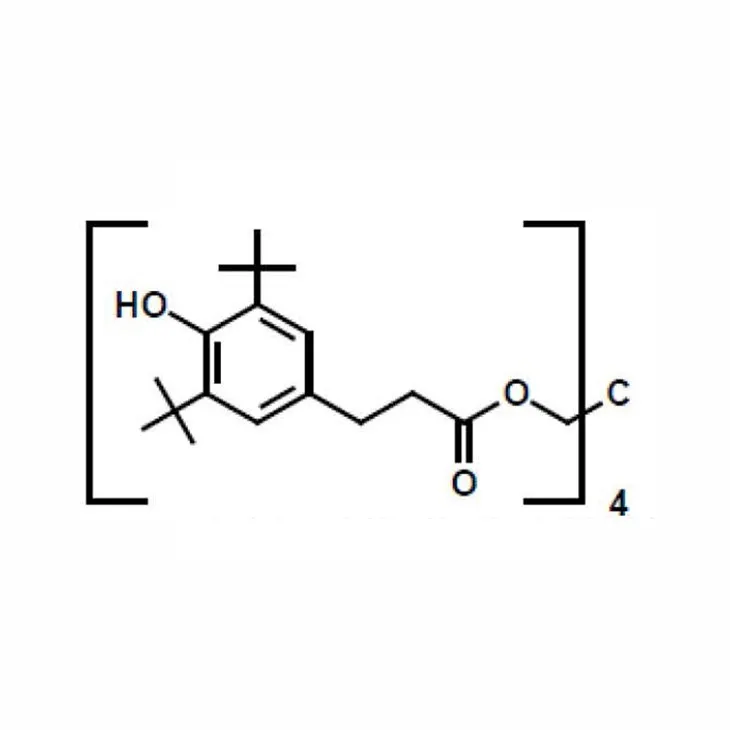
Quality Control and Supply
As a Irgafos168 supplier, we pay great attention to the quality control of Irgafos 168. We ensure that the chemical structure of our products strictly conforms to the standard of tris(2,4 - di - tert - butylphenyl) phosphite. Through advanced production technology and strict quality inspection procedures, we can provide high - purity Irgafos 168 with stable performance.
We have a large - scale production capacity, which can meet the different needs of customers in terms of quantity. Whether you are a small - scale manufacturer or a large - scale industrial enterprise, we can provide you with timely and sufficient supply.
Why Choose Our Irgafos 168
Our Irgafos 168 has high purity, which means it contains fewer impurities that could potentially affect the performance of polymers. The strict control of the chemical structure ensures its excellent antioxidant activity.
We also offer competitive prices. Through efficient production management and cost - control measures, we can provide high - quality Irgafos 168 at a reasonable price, helping our customers reduce production costs.
In addition, our professional technical support team can provide you with detailed technical guidance. Whether you have questions about the application of Irgafos 168 in your specific polymer system or need help with formulating antioxidant packages, our team is ready to assist you.
Contact Us for Purchase and Negotiation
If you are interested in our Irgafos 168 products or have any questions about its chemical structure, application, or pricing, please feel free to contact us. We are looking forward to starting a business relationship with you and helping you solve your antioxidant needs.
References
- "Plastic Additives Handbook" by Hans Zweifel.
- Research papers on organophosphite antioxidants in polymer science journals.