

Can AT - 10 be connected to a computer?
As a supplier of the AT - 10, I often receive inquiries from customers about various aspects of this product. One question that frequently comes up is whether the AT - 10 can be connected to a computer. In this blog, I'll explore this topic in detail, providing a comprehensive understanding of the AT - 10, its capabilities, and the possibilities of its connection to a computer.
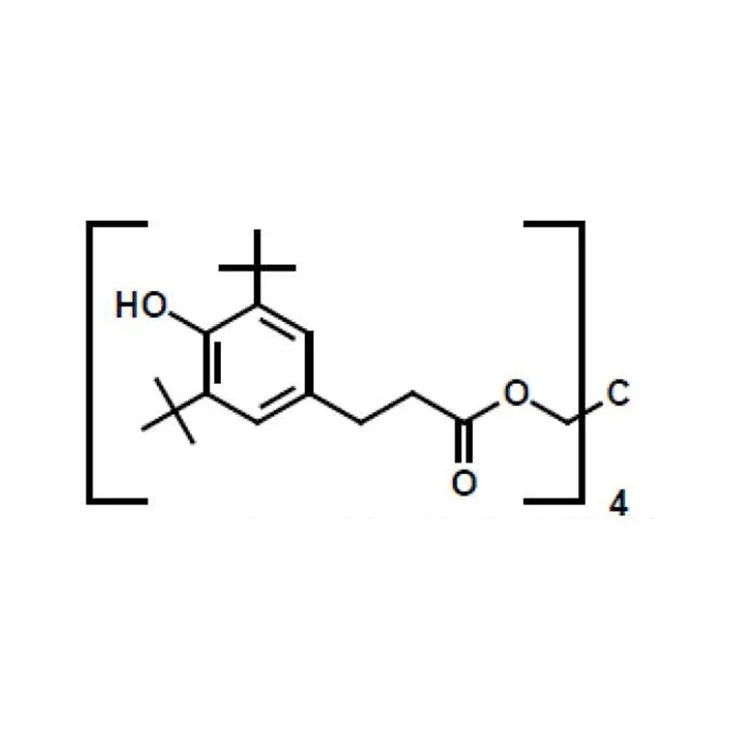
Understanding the AT - 10
Before delving into the connection issue, it's essential to have a clear understanding of what the AT - 10 is. The AT - 10 is a well - known antioxidant widely used in the petrochemical industry. It plays a crucial role in preventing the oxidation of polymers, which helps to extend the service life and maintain the performance of plastic products. With its excellent thermal stability and anti - oxidation properties, AT - 10 has become a popular choice among manufacturers in the plastics, rubber, and other related industries.
The main function of AT - 10 is to react with free radicals generated during the oxidation process, thereby interrupting the chain reaction of oxidation and protecting the polymer from degradation. This antioxidant is typically added to the polymer matrix during the manufacturing process, and it can effectively improve the resistance of the material to heat, oxygen, and light.
The Concept of Connecting to a Computer
When we talk about connecting a device to a computer, we usually refer to establishing a data - transfer or control relationship. For example, a printer can be connected to a computer to receive print jobs, and a sensor can be connected to a computer to transmit data for analysis. However, the AT - 10 is an antioxidant chemical, not an electronic device in the traditional sense. So, the idea of directly connecting it to a computer doesn't seem to make sense at first glance.
Indirect Connection Possibilities
Although the AT - 10 itself cannot be physically connected to a computer, there are some indirect ways in which a connection can be established in the context of industrial production.
Quality Control and Monitoring Systems
In a petrochemical production line, quality control is of utmost importance. Manufacturers often use advanced monitoring systems to ensure the quality and consistency of their products. These systems may include sensors that measure various parameters such as temperature, pressure, and the concentration of additives like AT - 10.

These sensors can be connected to a computer. For instance, a sensor installed in a mixing tank can continuously measure the concentration of AT - 10 in the polymer mixture. The data collected by the sensor is then transmitted to a computer, where it can be analyzed in real - time. The computer can be programmed to issue alerts if the concentration of AT - 10 falls outside the specified range, allowing operators to take corrective actions promptly.
Production Management Software
Another way to establish an indirect connection is through production management software. This software is used to manage and optimize the entire production process, from raw material procurement to finished product delivery. The AT - 10 inventory, usage, and production data can be entered into the software and stored in a computer system.
By using this software, manufacturers can track the consumption of AT - 10, plan for future orders, and analyze the relationship between the amount of AT - 10 used and the quality of the final product. The software can also generate reports and analytics, which can help decision - makers make informed choices about production processes and resource allocation.
Comparison with Other Antioxidants
It's also interesting to compare the AT - 10 with other antioxidants in terms of its role in industrial production and the potential for computer - related connections. For example, Irganox B215 is another popular antioxidant in the market. It is a blend of primary and secondary antioxidants, which provides synergistic protection against oxidation.

Similar to the AT - 10, Irganox B215 is used in the polymer industry to improve the stability of materials. In a production environment, the monitoring and management of Irganox B215 can also be integrated into the computer - based quality control and production management systems.
Another antioxidant, AT - 168, is a secondary antioxidant that is often used in combination with AT - 10. It helps to decompose hydroperoxides formed during the oxidation process, further enhancing the anti - oxidation effect. The usage and monitoring of AT - 168 can also be incorporated into the overall production management framework, which is usually computer - based.
Advantages of Computer - Integrated Management
Integrating the management of AT - 10 into computer systems offers several advantages.
Improved Efficiency
By using computer - based monitoring and control systems, manufacturers can automate many of the production processes related to the use of AT - 10. For example, the addition of AT - 10 to the polymer mixture can be precisely controlled based on real - time data, reducing the need for manual intervention and minimizing human errors. This leads to increased production efficiency and reduced production costs.
Enhanced Quality Control
Computer - based systems can provide more accurate and detailed data on the quality of the final product. By continuously monitoring the concentration of AT - 10 and other relevant parameters, manufacturers can ensure that the products meet the required quality standards. This helps to reduce the number of defective products and improve customer satisfaction.
Better Decision - Making
The analytics and reports generated by the production management software can provide valuable insights into the production process. Decision - makers can use this information to optimize the production process, adjust the usage of AT - 10, and make strategic decisions about product development and market expansion.
Conclusion and Call to Action
In conclusion, while the AT - 10 itself cannot be directly connected to a computer, there are many indirect ways to integrate its management into computer - based systems in the petrochemical production process. These connections offer significant advantages in terms of efficiency, quality control, and decision - making.
If you are in the petrochemical industry and are interested in using AT - 10 in your production, or if you have any questions about how to integrate its management into your existing computer systems, we are here to help. We have a team of experts who can provide you with professional advice and solutions. Please feel free to contact us to start a procurement negotiation and explore how our AT - 10 can meet your specific needs.
References
- "Antioxidants in Polymers: Principles, Practical Applications" by George Scott.
- Petrochemical industry reports on the use of antioxidants in polymer production.
- Technical documentation on AT - 10, Irganox B215, and AT - 168 provided by manufacturers.