

Do antioxidants help with skin acne?
Acne is a common skin condition that affects millions of people worldwide. It is characterized by the presence of pimples, blackheads, and whiteheads, often occurring on the face, chest, and back. The causes of acne are multifactorial, including hormonal changes, genetics, excessive sebum production, and the presence of bacteria on the skin. In recent years, there has been growing interest in the role of antioxidants in skin health, particularly in their potential to help with acne. As an antioxidant supplier, I am well - versed in the properties and applications of various antioxidants, and in this blog, I will explore whether antioxidants can indeed assist in combating skin acne.
Understanding Antioxidants
Antioxidants are substances that can prevent or slow damage to cells caused by free radicals. Free radicals are unstable molecules produced by the body as a result of normal metabolic processes, exposure to environmental factors such as UV radiation, pollution, and cigarette smoke. These free radicals can cause oxidative stress, which has been linked to a variety of health problems, including skin aging, inflammation, and the development of acne.
Antioxidants work by neutralizing free radicals, thereby reducing oxidative stress and protecting cells from damage. There are many different types of antioxidants, including vitamins (such as vitamin C, vitamin E, and beta - carotene), minerals (such as selenium), and plant - derived compounds (such as polyphenols and flavonoids).
Antioxidants and Skin Acne
Reducing Inflammation
Inflammation is a key factor in the development of acne. When the pores of the skin become clogged with sebum and dead skin cells, bacteria can multiply, leading to an immune response and the release of inflammatory mediators. Antioxidants can help reduce this inflammation by modulating the immune response and inhibiting the production of pro - inflammatory cytokines.
For example, vitamin C is a well - known antioxidant that has anti - inflammatory properties. It can inhibit the activation of immune cells and reduce the production of reactive oxygen species (ROS) at the site of inflammation. Studies have shown that topical application of vitamin C can improve the appearance of acne - prone skin by reducing redness and swelling.
Sebum Regulation
Excessive sebum production is another major contributor to acne. Some antioxidants may help regulate sebum production by influencing the activity of sebaceous glands. Vitamin E, for instance, has been shown to have a regulatory effect on sebum secretion. It can balance the lipid composition of the skin and prevent over - production of sebum, which in turn reduces the likelihood of pore blockage and acne formation.
Protecting Against Oxidative Damage
As mentioned earlier, oxidative stress can exacerbate acne. Free radicals can damage the skin cells, leading to increased inflammation and the production of abnormal skin proteins. Antioxidants can protect the skin from this oxidative damage. For example, polyphenols found in green tea have strong antioxidant properties. They can scavenge free radicals and protect the skin's collagen and elastin fibers, which are important for maintaining skin elasticity and preventing the formation of acne scars.
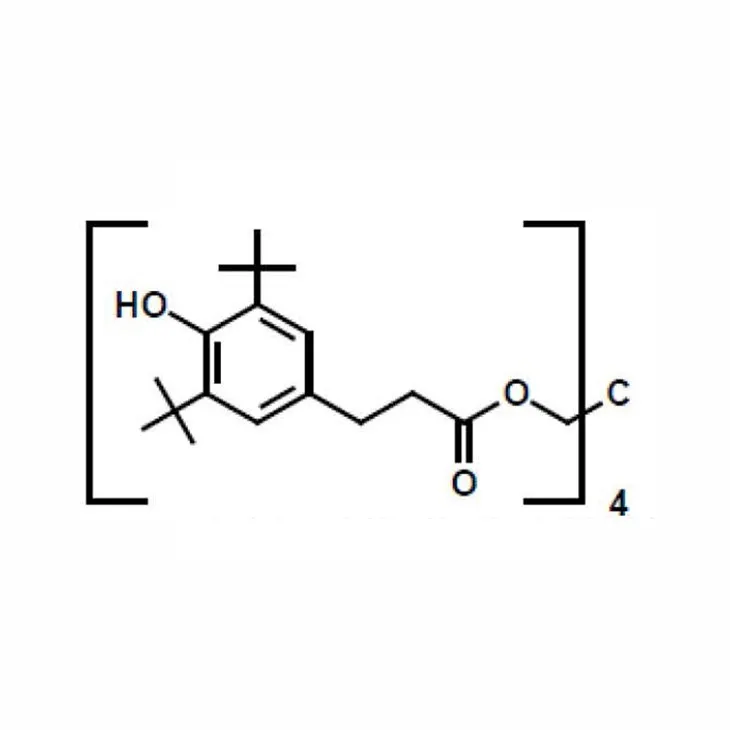

Specific Antioxidants for Acne
AT - 10
AT - 10 is a high - performance antioxidant that has shown potential in skin care applications. It has a strong ability to scavenge free radicals and protect the skin from oxidative stress. AT - 10 can be incorporated into skin care products to help reduce inflammation and improve the overall health of acne - prone skin. Its stability and compatibility with other ingredients make it a popular choice for formulators.
Irganox B215
Irganox B215 is a blend of antioxidants that provides a synergistic effect in protecting the skin. It combines the antioxidant properties of different components to offer comprehensive protection against oxidative damage. Irganox B215 can work at multiple levels to reduce inflammation, regulate sebum production, and prevent the formation of acne. It is suitable for use in a wide range of skin care formulations.
AT - 168
AT - 168 is an antioxidant that is known for its ability to enhance the stability of other antioxidants in a formulation. When used in combination with other antioxidants in skin care products, AT - 168 can boost their effectiveness in combating acne. It helps to maintain the activity of antioxidants over time, ensuring long - term protection for the skin.
Incorporating Antioxidants into Acne Treatment
There are several ways to incorporate antioxidants into acne treatment. One of the most common methods is through topical application. Antioxidant - rich creams, lotions, and serums can be applied directly to the skin. These products can penetrate the skin layers and deliver the antioxidants to the site of action.
Another approach is through dietary intake. Consuming a diet rich in antioxidants can also have a positive impact on skin health. Foods such as fruits, vegetables, nuts, and seeds are excellent sources of antioxidants. For example, citrus fruits are high in vitamin C, while almonds are a good source of vitamin E.
Considerations and Limitations
While antioxidants show promise in helping with skin acne, it is important to note that they are not a magic bullet. Acne is a complex condition, and a comprehensive approach is often needed for effective treatment. Antioxidants should be used in conjunction with other acne - fighting strategies, such as proper skin cleansing, use of non - comedogenic products, and in some cases, medical treatments prescribed by a dermatologist.
Also, the effectiveness of antioxidants can vary depending on the individual. Factors such as skin type, severity of acne, and lifestyle can all influence how well antioxidants work. Some people may see significant improvement in their acne symptoms, while others may experience only mild benefits.
Conclusion
In conclusion, antioxidants have the potential to play an important role in helping with skin acne. They can reduce inflammation, regulate sebum production, and protect the skin from oxidative damage. Specific antioxidants like AT - 10, Irganox B215, and AT - 168 offer unique benefits and can be incorporated into skin care products for acne treatment.
If you are interested in exploring the use of antioxidants for your skin care formulations or acne treatment products, I invite you to reach out to me for more information and to discuss potential procurement opportunities. We can work together to find the best antioxidant solutions for your specific needs.
References
- Bowe, W. P., Holmes, K., & Leyden, J. J. (2007). Dietary approaches to the treatment of acne vulgaris. Dermatologic Clinics, 25(1), 85 - 97.
- Kang, S., Cho, S. H., Lee, Y. S., & Lee, M. H. (2015). Antioxidant and anti - inflammatory effects of topical vitamin C and its clinical applications in dermatology. Journal of the Korean Medical Science, 30(3), 295 - 302.
- Zouboulis, C. C., & Tsoukas, A. (2012). Oxidative stress in acne: Pathogenesis and treatment. Journal of Dermatological Science, 67(2), 73 - 80.