

How to treat KCN poisoning?
Potassium cyanide (KCN) is a highly toxic compound that has various industrial applications, including gold extraction, electroplating, and chemical synthesis. As a KCN supplier, we are committed to ensuring the safe handling and use of this substance. However, despite all precautions, accidents can happen, and it's crucial to be well - informed about how to treat KCN poisoning.
Understanding KCN Poisoning
Potassium cyanide is a white crystalline solid that readily releases cyanide ions (CN⁻) when dissolved in water or under certain chemical reactions. Cyanide ions are extremely toxic because they bind to the iron atom in cytochrome c oxidase, an enzyme in the mitochondria that plays a vital role in cellular respiration. This binding prevents the enzyme from functioning properly, halting the production of adenosine triphosphate (ATP), the energy currency of the cell. As a result, cells are unable to use oxygen effectively, leading to rapid cell death, especially in organs with high oxygen demand such as the brain and heart.
Exposure to KCN can occur through inhalation, ingestion, or skin contact. Inhalation of KCN dust or fumes can quickly lead to poisoning symptoms. Ingestion of even a small amount of KCN can be fatal within minutes. Skin contact, although less common as a direct cause of severe poisoning, can still allow cyanide to enter the body if the skin is damaged or abraded.
Recognizing the Symptoms of KCN Poisoning
The symptoms of KCN poisoning can appear rapidly, often within seconds to minutes after exposure. Initial symptoms may include a bitter almond odor on the breath (although not everyone can detect this odor), headache, dizziness, weakness, confusion, and shortness of breath. As the poisoning progresses, more severe symptoms such as seizures, loss of consciousness, respiratory failure, and cardiac arrest can occur. In some cases, victims may experience cherry - red skin color due to the high levels of oxygenated hemoglobin in the blood that cannot be utilized by the cells.
Immediate First - Aid Measures
If a person is suspected of KCN poisoning, immediate action is essential. The first step is to remove the victim from the source of exposure. If the exposure occurred in an enclosed space, move the victim to fresh air immediately. If the poisoning was due to ingestion, do not induce vomiting unless instructed by a medical professional, as this can increase the risk of aspiration.
For skin contact, remove any contaminated clothing and wash the affected area thoroughly with large amounts of soap and water for at least 15 minutes. If the eyes are affected, flush them with water for at least 15 minutes.
Medical Treatment for KCN Poisoning
- Amyl Nitrite Inhalation
Amyl nitrite is often the first - line treatment for cyanide poisoning. It works by converting hemoglobin in the blood to methemoglobin, which has a high affinity for cyanide ions. When cyanide binds to methemoglobin, it is removed from cytochrome c oxidase, allowing the enzyme to resume its normal function in cellular respiration. Amyl nitrite is available in ampules that can be crushed and inhaled by the victim. It is usually administered every 1 - 2 minutes until intravenous treatment can be started. - Sodium Nitrite and Sodium Thiosulfate
Sodium nitrite is used to further convert hemoglobin to methemoglobin. It is given intravenously at a controlled rate. Once the cyanide is bound to methemoglobin, sodium thiosulfate is administered. Sodium thiosulfate reacts with the cyanide - methemoglobin complex, converting the cyanide into thiocyanate, a less toxic compound that can be excreted by the kidneys. - Hydroxocobalamin
Hydroxocobalamin is another effective antidote for cyanide poisoning. It combines with cyanide ions to form cyanocobalamin (vitamin B12), which is non - toxic and can be safely excreted from the body. Hydroxocobalamin has the advantage of being relatively safe with few side effects and can be used in a wide range of patients, including those with underlying medical conditions.
Prevention and Safety Measures
As a KCN supplier, we emphasize the importance of prevention. All users of KCN should receive comprehensive training on its safe handling, storage, and use. KCN should be stored in a secure, well - ventilated area away from acids, as the reaction between KCN and acids can release highly toxic hydrogen cyanide gas.
Proper personal protective equipment (PPE) such as gloves, goggles, and respirators should be worn when handling KCN. In addition, work areas should be equipped with emergency eyewash stations and safety showers. Regular safety inspections and maintenance of equipment are also crucial to prevent accidents.
The Role of KCN in Industrial Applications
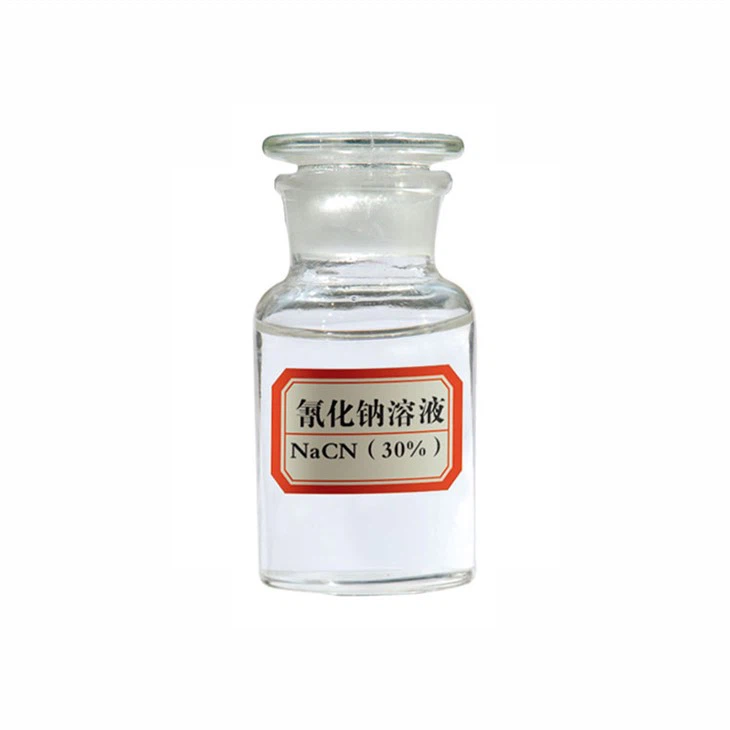
Potassium cyanide is widely used in the gold extraction industry. It is a powerful leaching agent that can dissolve gold from ore. Potassium Cyanide forms a stable complex with gold ions, allowing the gold to be separated from the ore. Other related compounds like Sodium Cyanide Solution and Sodium Cyanide are also commonly used in this process.
Conclusion
While potassium cyanide is a valuable industrial chemical, its high toxicity requires strict safety measures and a thorough understanding of how to treat poisoning. As a responsible KCN supplier, we are dedicated to providing our customers with not only high - quality products but also the knowledge and resources to ensure their safe use. If you are in need of potassium cyanide for your industrial applications, we encourage you to contact us for more information and to discuss your specific requirements. Our team of experts can provide you with detailed guidance on the safe handling and use of KCN.

References
- Hall, A. H., & Rumack, B. H. (1986). Cyanide poisoning and its treatment: An updated review. Journal of Emergency Medicine, 4(2), 115 - 126.
- Borron, S. W., Baud, F. J., Barriot, P., et al. (2007). Prospective study of hydroxocobalamin for acute cyanide poisoning in smoke inhalation. Annals of Emergency Medicine, 49(6), 794 - 801.
- Kales, S. N., & Christiani, D. C. (2004). Cyanide poisoning: pathophysiology and treatment recommendations. Journal of Occupational and Environmental Medicine, 46(10), 1092 - 1104.