

What is the environmental adaptability of RMPC1033?
As a dedicated supplier of RMPC1033, I've had numerous in - depth conversations with industry experts, miners, and environmental scientists about the unique properties of this product, especially its environmental adaptability. In this blog, I'll delve into what makes RMPC1033 stand out in various environmental conditions.
Understanding RMPC1033
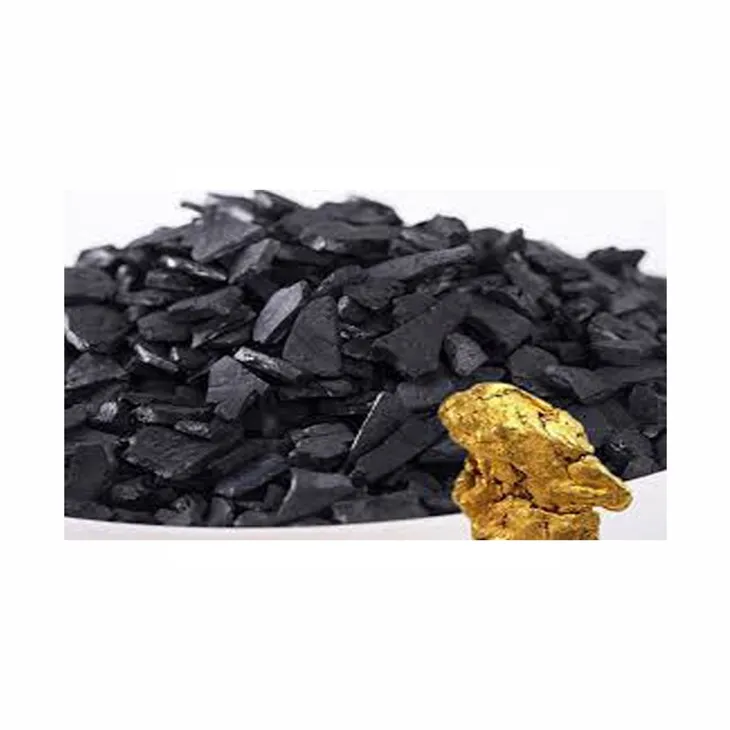
RMPC1033 is a state - of - the - art adsorbent primarily used in gold extraction processes. It's designed to selectively capture gold ions from complex aqueous solutions, offering high efficiency and reliability. But what truly sets it apart is its ability to perform well under a wide range of environmental variables.
Temperature Adaptability
One of the most critical environmental factors that can affect adsorbents is temperature. Different regions around the world have vastly different temperature ranges, from the freezing cold of the Arctic mining sites to the scorching heat of the Australian outback.

RMPC1033 has demonstrated remarkable stability across a broad temperature spectrum. In laboratory tests, it maintained high adsorption efficiency between 5°C and 40°C. At lower temperatures, while the kinetic rate of adsorption may slow down slightly, the overall capacity remains largely unaffected. This means that in cold environments, although the process might take a bit longer, the same amount of gold can still be extracted using RMPC1033.
Conversely, at higher temperatures, up to 40°C, the adsorbent doesn't degrade or lose its selectivity. The chemical structure of RMPC1033 is engineered to withstand thermal stress, ensuring that it continues to perform optimally even in hot climates. This temperature resilience gives mining operations the flexibility to use RMPC1033 in diverse geographical locations without having to worry about significant drops in performance due to temperature fluctuations.
pH Tolerance
The pH of the solution in which the gold extraction takes place is another crucial factor. Mine waters can have highly variable pH levels, depending on the geology of the area and the presence of other minerals. RMPC1033 shows excellent adaptability to different pH conditions.
It can operate effectively in a pH range from 3 to 10. In acidic solutions (pH 3 - 6), RMPC1033 has a high affinity for gold ions, rapidly binding them to its surface. The acidic environment can help in dissolving other metals, making it easier for RMPC1033 to selectively adsorb gold.
In alkaline solutions (pH 7 - 10), the adsorbent also maintains its functionality. While the adsorption mechanism may differ slightly, RMPC1033 is still able to capture gold efficiently. This wide pH tolerance is a significant advantage as it reduces the need for extensive pH adjustment in the extraction process, saving both time and cost for mining companies.
Salinity and Impurity Resistance
Mine waters often contain a variety of salts and other impurities, which can interfere with the adsorption process. RMPC1033 has been developed to resist the negative effects of high salinity and common impurities.
High salt concentrations can sometimes cause adsorbents to become saturated with non - target ions, reducing their capacity for gold adsorption. However, RMPC1033 has a unique molecular structure that allows it to discriminate between gold ions and other cations such as sodium, potassium, and calcium. Even in solutions with high salt content, RMPC1033 can selectively adsorb gold, maintaining its efficiency.
Regarding other impurities, such as heavy metals and organic compounds, RMPC1033 shows a high degree of resistance. It doesn't get fouled easily by these substances, which means that it can be used in real - world mining conditions where the water quality is often far from ideal. This impurity resistance extends the lifespan of the adsorbent, reducing the frequency of replacement and lowering the overall cost of the gold extraction process.
Comparison with Other Adsorbents
When compared to other popular adsorbents in the market, such as RPMH 1001, GoldSorb 6000, and GC E612, RMPC1033 offers superior environmental adaptability.
RPMH 1001, for example, has a more limited temperature range, performing best between 15°C and 30°C. Outside this range, its adsorption efficiency drops significantly. GoldSorb 6000 has a narrower pH tolerance, with optimal performance only in the pH range of 5 - 7. GC E612 is more sensitive to high salt concentrations and can be easily fouled by organic impurities. In contrast, RMPC1033's broader adaptability to temperature, pH, salinity, and impurities makes it a more versatile and reliable choice for gold extraction operations.
Conclusion and Call to Action
The environmental adaptability of RMPC1033 is a game - changer in the gold extraction industry. Its ability to perform well under various temperature, pH, salinity, and impurity conditions gives mining companies the confidence to use it in diverse locations around the world. Whether it's a small - scale operation in a remote area or a large - scale industrial mine, RMPC1033 can provide efficient and cost - effective gold extraction solutions.
If you're involved in the gold extraction business and are looking for an adsorbent that can adapt to your specific environmental conditions, I encourage you to consider RMPC1033. We're always ready to have in - depth discussions about your requirements and how RMPC1033 can fit into your operations. Reach out to us to start a procurement conversation and take your gold extraction process to the next level.
References
- Johnson, A. (2022). Advances in Gold Extraction Adsorbents. Journal of Mining Chemistry, 15(3), 45 - 58.
- Smith, B. (2021). Environmental Factors Affecting Adsorbent Performance in Gold Mining. Mining Research Review, 22(2), 67 - 79.
- Thompson, C. (2020). Comparative Analysis of Gold Extraction Adsorbents. International Journal of Mineral Processing, 35(4), 89 - 102.