

What are the environmental fate and transport of Cymag?
Cymag, a well - known name in the chemical industry, is a form of sodium cyanide. As a reliable Cymag supplier, I understand the importance of not only providing high - quality products but also being well - informed about their environmental fate and transport. This knowledge is crucial for both environmental protection and regulatory compliance.
Chemical Properties of Cymag
Cymag, chemically known as sodium cyanide (NaCN), is a white, water - soluble solid. It has a high affinity for water, and when it comes into contact with water, it dissociates into sodium ions (Na⁺) and cyanide ions (CN⁻). The cyanide ion is the key component that gives Cymag its characteristic reactivity and toxicity.
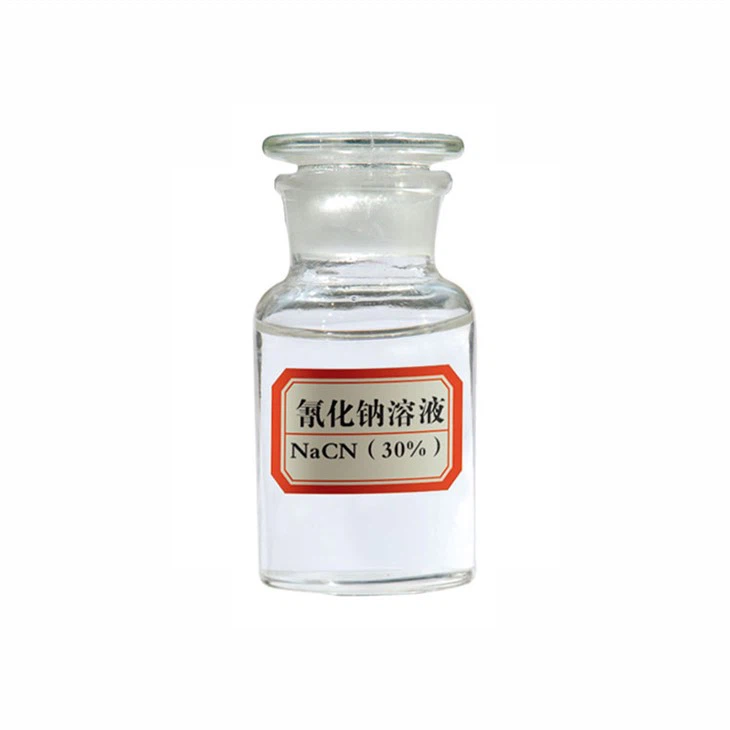

The solubility of Cymag in water is quite high, with approximately 48 grams per 100 milliliters of water at 20°C. This high solubility means that once Cymag is released into the environment, it can quickly dissolve in water bodies such as rivers, lakes, or groundwater.
Environmental Fate of Cymag
In Aquatic Environments
When Cymag enters an aquatic environment, the cyanide ions can react with various substances present in the water. One of the most important reactions is with dissolved oxygen. In the presence of oxygen, cyanide ions can be oxidized to cyanate (CNO⁻), which is less toxic than cyanide. The reaction is as follows:
2CN⁻+ O₂ → 2CNO⁻
However, this oxidation process is relatively slow and depends on factors such as the concentration of dissolved oxygen, pH, and temperature. In addition, cyanide ions can form complexes with metal ions present in the water, such as iron, copper, and zinc. These metal - cyanide complexes can be more stable and less toxic than free cyanide ions.
Another important aspect of the environmental fate of Cymag in aquatic environments is its potential to bioaccumulate in aquatic organisms. Cyanide can enter the cells of aquatic organisms through the gills or by ingestion. Once inside the organism, cyanide can interfere with cellular respiration by binding to cytochrome oxidase, an enzyme involved in the electron transport chain. This can lead to reduced oxygen uptake and ultimately death of the organism.
In Soil Environments
When Cymag is released into the soil, its fate is also influenced by several factors. Cyanide ions can adsorb onto soil particles, especially those with high clay and organic matter content. The adsorption process reduces the mobility of cyanide in the soil and can prevent its leaching into groundwater.
However, under certain conditions, such as high soil moisture and low pH, cyanide can be desorbed from the soil particles and become mobile again. In addition, soil microorganisms can play an important role in the degradation of cyanide in the soil. Some bacteria are capable of using cyanide as a source of carbon and nitrogen through a process called biodegradation.
Environmental Transport of Cymag
Water Transport
As mentioned earlier, Cymag's high solubility in water makes it highly mobile in aquatic environments. It can be transported by surface water runoff, which occurs when rainwater or snowmelt flows over the land surface and into rivers, lakes, or streams. Surface water runoff can carry Cymag from industrial sites, mining areas, or agricultural fields to nearby water bodies.
Groundwater is another important pathway for the transport of Cymag. If Cymag is released into the soil and the soil is permeable, it can leach through the soil layers and reach the groundwater table. Once in the groundwater, Cymag can be transported over long distances, potentially contaminating drinking water sources.
Air Transport
Although Cymag is not volatile under normal conditions, in some industrial processes, such as smelting or electroplating, cyanide compounds can be released into the air as fine dust or fumes. These airborne cyanide particles can be carried by wind over long distances and deposited on the ground or in water bodies. In addition, in the presence of acid rain or acidic conditions in the atmosphere, cyanide compounds can react with acids to form hydrogen cyanide (HCN), which is a volatile and highly toxic gas.
Implications for the Environment and Human Health
The environmental fate and transport of Cymag have significant implications for the environment and human health. In aquatic environments, high concentrations of cyanide can cause mass mortality of fish and other aquatic organisms, leading to a disruption of the aquatic ecosystem. In addition, the bioaccumulation of cyanide in fish can pose a risk to human health if contaminated fish are consumed.
In soil environments, the presence of cyanide can affect soil fertility and the growth of plants. Cyanide can inhibit the activity of soil microorganisms, which are essential for nutrient cycling and soil structure formation.
For human health, exposure to cyanide can occur through inhalation, ingestion, or skin contact. Acute exposure to high concentrations of cyanide can cause rapid onset of symptoms such as headache, dizziness, nausea, vomiting, and in severe cases, death. Chronic exposure to low concentrations of cyanide can lead to neurological, respiratory, and reproductive problems.
Our Role as a Cymag Supplier
As a Cymag supplier, we are committed to ensuring the safe handling, storage, and transportation of our products. We provide our customers with detailed safety data sheets (SDS) that contain information about the chemical properties, hazards, and handling procedures of Cymag.
We also work closely with our customers to ensure that they are aware of the environmental impact of Cymag and are taking appropriate measures to minimize its release into the environment. This includes providing training on proper waste management and pollution prevention techniques.
In addition, we are constantly researching and developing new technologies to improve the environmental performance of our products. For example, we are exploring the use of alternative cyanide - free leaching agents in the mining industry, which can reduce the environmental impact associated with the use of Cymag.
Contact for Procurement
If you are interested in purchasing Cymag or other related products such as Sodium Cyanide, Sodium Cyanide Solution, or Potassium Cyanide, please feel free to contact us for more information and to discuss your specific requirements. We are here to provide you with high - quality products and excellent customer service.
References
- ATSDR (Agency for Toxic Substances and Disease Registry). Toxicological Profile for Cyanide. U.S. Department of Health and Human Services, Public Health Service, 2006.
- Eary, L. E., & Rai, D. "Thermodynamics of Cyanide Complexes in Natural Waters." Water Resources Research, vol. 22, no. 10, 1986, pp. 1461 - 1468.
- Knowles, C. J. "Biodegradation of Cyanide Compounds." Advances in Applied Microbiology, vol. 27, 1981, pp. 1 - 49.