

What are the antioxidants in red wine?
Hey there, wine lovers and health - conscious peeps! As an antioxidant supplier, I've spent a ton of time diving into the world of antioxidants, and one topic that always sparks my interest is the antioxidants in red wine. You've probably heard that a glass of red wine a day can be good for you, and that's mainly because of these amazing antioxidants. So, let's take a closer look at what they are and why they matter.
Resveratrol: The Superstar Antioxidant
First up, we've got resveratrol. This is probably the most well - known antioxidant in red wine. Resveratrol is a polyphenol that's found in the skins of grapes, especially in red and purple grape varieties. It's produced by the grapes as a defense mechanism against fungi, bacteria, and environmental stress.
What's so great about resveratrol? Well, it's got some serious health benefits. Research has shown that resveratrol has anti - inflammatory, anti - cancer, and anti - aging properties. It can help reduce the risk of heart disease by improving blood flow, reducing cholesterol levels, and preventing blood clots. Some studies even suggest that it might have a positive impact on brain health, potentially reducing the risk of neurodegenerative diseases like Alzheimer's and Parkinson's.
In red wine, the amount of resveratrol can vary depending on a few factors, such as the grape variety, the region where the grapes are grown, and the winemaking process. Generally, wines made from grapes with thicker skins, like Cabernet Sauvignon and Pinot Noir, tend to have higher levels of resveratrol.
Flavonoids: A Group of Powerful Antioxidants
Flavonoids are another important group of antioxidants found in red wine. There are several types of flavonoids in red wine, including anthocyanins, flavan - 3 - ols, and flavonols.
Anthocyanins are what give red wine its beautiful red color. They're also powerful antioxidants that have been shown to have anti - inflammatory and anti - cancer effects. Anthocyanins can help protect the body's cells from damage caused by free radicals, which are unstable molecules that can lead to various diseases.
Flavan - 3 - ols, such as catechins and epicatechins, are also present in red wine. These antioxidants have been linked to improved cardiovascular health. They can help reduce blood pressure, improve blood vessel function, and prevent the oxidation of LDL cholesterol (the "bad" cholesterol).
Flavonols, like quercetin, are known for their antioxidant and anti - inflammatory properties. Quercetin can help boost the immune system, reduce the risk of chronic diseases, and even have a positive effect on exercise performance.
Tannins: More Than Just a Bitter Taste
Tannins are a type of polyphenol that gives red wine its characteristic bitter and astringent taste. But they're not just there to make your mouth pucker. Tannins are also antioxidants that have several health benefits.
One of the main benefits of tannins is their ability to act as antioxidants and protect the body's cells from oxidative stress. They can help prevent the formation of free radicals and reduce inflammation in the body. Tannins have also been shown to have antibacterial and antiviral properties, which can help boost the immune system.
In addition, tannins can interact with proteins in the body, which can have a positive effect on digestion. They can help slow down the digestion process, which can be beneficial for overall gut health.
How These Antioxidants Compare to Our Products
As an antioxidant supplier, I often get asked how the antioxidants in red wine compare to the antioxidants we offer. Well, while red wine is a natural source of antioxidants, our products, like AT - 10, Irganox B215, and AT - 168, are specifically formulated to provide high - quality, concentrated antioxidant protection.
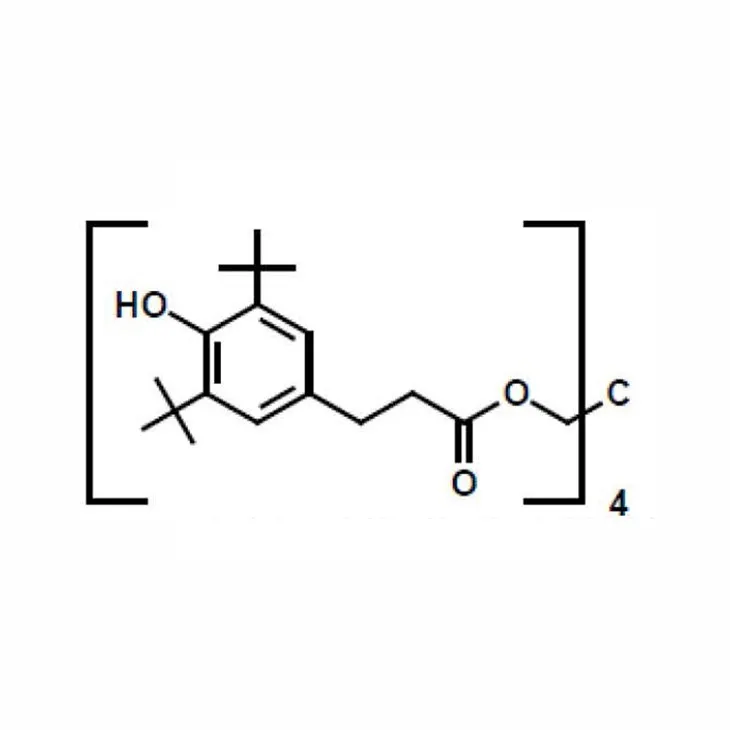
Our AT - 10 is a phenolic antioxidant that's widely used in the plastics and rubber industries. It offers excellent thermal stability and long - term protection against oxidation. Irganox B215 is a blend of primary and secondary antioxidants, which provides synergistic protection against thermal and oxidative degradation. AT - 168 is a phosphite antioxidant that's known for its excellent processing stability and resistance to hydrolysis.
While the antioxidants in red wine are great for our health when consumed in moderation, our products are designed to meet the specific needs of various industries. They can help extend the shelf life of products, improve their performance, and prevent them from deteriorating due to oxidation.
The Importance of Moderation
It's important to note that while red wine has some great antioxidants, it should be consumed in moderation. Drinking too much red wine can have negative health effects, such as liver damage, high blood pressure, and an increased risk of certain cancers. The recommended amount of red wine for men is up to two glasses per day, and for women, it's up to one glass per day.
Contact Us for Your Antioxidant Needs
If you're in the market for high - quality antioxidants for your industry, whether it's plastics, rubber, or any other application, we're here to help. Our team of experts can provide you with the right antioxidant solutions to meet your specific requirements.

We understand that every business has different needs, and we're committed to providing personalized service and support. Whether you need a small quantity for testing or a large - scale supply for your production line, we've got you covered.
So, if you're interested in learning more about our products or want to discuss your antioxidant needs, don't hesitate to get in touch. We're looking forward to working with you and helping you find the best antioxidant solutions for your business.
References
- American Heart Association. "Red Wine and Resveratrol: Good for Your Heart?"
- Journal of Agricultural and Food Chemistry. "Antioxidant and Health - Promoting Properties of Red Wine and Its Constituents."
- National Institutes of Health. "Resveratrol: A Multifaceted Molecule with Promising Health Benefits."