

What are the waste management strategies for Cyanogran?
As a supplier of Cyanogran, a well - known cyanide product, I am deeply aware of the importance of proper waste management strategies. Cyanogran, which is a form of solid sodium cyanide, is widely used in industries such as gold extraction, electroplating, and chemical synthesis. However, due to its high toxicity, effective waste management is crucial to prevent environmental pollution and protect human health.
Understanding the Hazards of Cyanogran Waste
Cyanogran waste contains high - levels of cyanide compounds. Cyanide is extremely toxic to living organisms as it inhibits the normal functioning of cells by interfering with the electron - transport chain in mitochondria, preventing cells from using oxygen. This can lead to rapid death in humans and animals even at low concentrations. Additionally, cyanide can react with various metals in the environment to form highly toxic metal - cyanide complexes, which are more stable and persistent in the environment.
When Cyanogran waste is not properly managed, it can contaminate soil, water, and air. For example, if cyanide - containing waste is dumped into water bodies, it can cause mass fish kills and disrupt the entire aquatic ecosystem. In soil, cyanide can persist for a long time, affecting soil fertility and the growth of plants. In the air, cyanide can be released as hydrogen cyanide gas, which is a serious health hazard to humans and animals in the vicinity.
Waste Management Strategies
1. Source Reduction
The first and most effective strategy for waste management is source reduction. As a Cyanogran supplier, we can work closely with our customers to optimize the use of Cyanogran in their processes. For example, in the gold extraction industry, by using advanced leaching technologies, the amount of Cyanogran required can be significantly reduced. Some modern gold extraction methods use less - cyanide - intensive processes, such as bio - leaching or the use of alternative lixiviants in combination with Cyanogran.
We can also provide technical support to our customers to ensure that the Cyanogran is used as efficiently as possible. This includes proper storage and handling procedures to prevent spills and losses during transportation and use. By reducing the amount of Cyanogran used at the source, the amount of waste generated will also be reduced.
2. Recycling and Reuse
Recycling and reuse of Cyanogran waste can be an effective way to minimize waste generation. In some industries, such as electroplating, cyanide solutions can be regenerated and reused. The spent cyanide solutions can be treated to remove impurities and then adjusted to the appropriate concentration for reuse in the electroplating process.

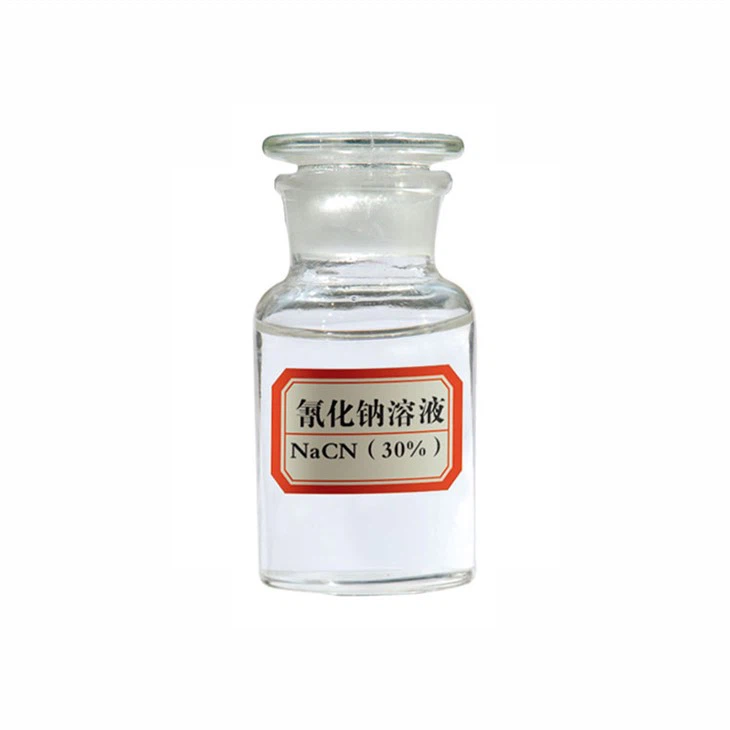
In the gold extraction industry, cyanide recovery from tailings is also a viable option. Technologies such as the carbon - in - pulp (CIP) and carbon - in - leach (CIL) processes can be used to recover cyanide from the leachate. The recovered cyanide can then be reused in subsequent leaching operations, reducing the need for fresh Cyanogran and minimizing waste.
3. Treatment of Cyanogran Waste
When recycling and reuse are not feasible, the Cyanogran waste must be treated to reduce its toxicity before disposal. There are several treatment methods available:
- Chemical Oxidation: Chemical oxidation is one of the most common methods for treating cyanide waste. Oxidizing agents such as hydrogen peroxide, sodium hypochlorite, or ozone can be used to convert cyanide to less - toxic compounds. For example, when hydrogen peroxide is used, it reacts with cyanide to form cyanate, which is much less toxic than cyanide. Further oxidation can convert cyanate to carbon dioxide and nitrogen.
- Biological Treatment: Biological treatment uses microorganisms to break down cyanide. Some bacteria and fungi are capable of using cyanide as a source of carbon and nitrogen. In a biological treatment system, the cyanide - containing waste is fed into a reactor where the microorganisms break down the cyanide under controlled conditions. This method is environmentally friendly as it does not produce harmful by - products.
- Thermal Treatment: Thermal treatment involves heating the cyanide waste to high temperatures to decompose the cyanide compounds. This method is effective but requires high energy input. It is usually used for treating highly concentrated cyanide waste.
4. Safe Disposal
After treatment, the remaining waste must be disposed of safely. If the treated waste meets the environmental standards, it can be disposed of in a landfill. However, it is important to ensure that the landfill is properly designed and lined to prevent the leaching of any remaining contaminants into the soil and groundwater.
Another option for disposal is to incinerate the treated waste in a specially designed incinerator. Incineration can completely destroy any remaining cyanide compounds, but it also requires strict control to prevent the release of harmful pollutants into the air.
Regulatory Compliance
As a Cyanogran supplier, we are committed to ensuring that all waste management activities comply with the relevant environmental regulations. Different countries and regions have different regulations regarding the handling, treatment, and disposal of cyanide waste. We work closely with our customers to ensure that they are aware of these regulations and implement the necessary waste management strategies to meet the requirements.
We also keep up - to - date with the latest regulatory changes and research on waste management technologies. This allows us to provide our customers with the most up - to - date information and solutions for waste management.
Conclusion
Proper waste management of Cyanogran is essential for protecting the environment and human health. By implementing source reduction, recycling and reuse, treatment, and safe disposal strategies, we can minimize the environmental impact of Cyanogran waste. As a Cyanogran supplier, we play a crucial role in promoting these waste management strategies among our customers.
If you are interested in purchasing Cyanogran or have any questions about its waste management, please feel free to contact us for more information and to start a procurement negotiation. We are dedicated to providing high - quality products and professional technical support to help you optimize your processes while ensuring environmental safety.
For more information about related products, you can visit the following links:
Sodium Cyanide Solution
Potassium Cyanide
Sodium Cyanide
References
- EPA (Environmental Protection Agency). "Cyanide in the Environment: A Review of Toxicity, Sources, and Treatment Methods."
- UNEP (United Nations Environment Programme). "Guidelines for the Safe Management of Cyanide in the Gold Mining Industry."
- Various research papers on cyanide waste management published in environmental science and engineering journals.