

Can I get enough antioxidants from my diet?
Can I get enough antioxidants from my diet?
Antioxidants have become a buzzword in the health and wellness industry, and for good reason. These compounds play a crucial role in protecting our bodies from oxidative stress, which is linked to a variety of chronic diseases such as cancer, heart disease, and Alzheimer's. But the question remains: can we get enough antioxidants from our diet alone? As an antioxidant supplier, I'm here to explore this topic in depth and provide some insights based on scientific research.
What are antioxidants?
Antioxidants are substances that can prevent or slow damage to cells caused by free radicals, unstable molecules that the body produces as a reaction to environmental and other pressures. Free radicals can cause oxidative stress, which has been associated with a range of health problems. There are many different types of antioxidants, including vitamins C and E, beta - carotene, and selenium, as well as various phytochemicals found in plants.
The role of antioxidants in the body
Antioxidants work by neutralizing free radicals. They donate an electron to the free radical, stabilizing it and preventing it from causing damage to cells, proteins, and DNA. This process helps to reduce inflammation, protect against cell damage, and support overall health. For example, vitamin C is a water - soluble antioxidant that can help boost the immune system and protect against infections. Vitamin E, on the other hand, is a fat - soluble antioxidant that protects cell membranes from oxidative damage.
Dietary sources of antioxidants
A balanced diet rich in fruits, vegetables, whole grains, nuts, and seeds can provide a wide range of antioxidants. For instance, berries such as blueberries, strawberries, and raspberries are packed with anthocyanins, a type of antioxidant that has been shown to have anti - inflammatory and anti - cancer properties. Dark leafy greens like spinach and kale are excellent sources of vitamins C and E, as well as other antioxidants like lutein and zeaxanthin, which are important for eye health.
Nuts and seeds, such as almonds and sunflower seeds, are rich in vitamin E. Legumes, like beans and lentils, contain polyphenols, another group of antioxidants. Herbs and spices, including cinnamon, turmeric, and oregano, are also high in antioxidants. Turmeric, for example, contains curcumin, a powerful antioxidant with anti - inflammatory effects.
Can we get enough antioxidants from diet?
The answer is both yes and no. In theory, a well - balanced diet that includes a variety of antioxidant - rich foods can provide an adequate amount of antioxidants for most people. However, in practice, many factors can prevent us from getting enough antioxidants through diet alone.
Firstly, modern lifestyles often lead to poor dietary choices. Many people rely on processed foods, which are typically low in antioxidants. These foods are often high in sugar, salt, and unhealthy fats, and they lack the nutrients found in whole, unprocessed foods. Secondly, the quality of our food can be affected by factors such as farming practices, storage, and cooking methods. For example, overcooking vegetables can destroy some of the antioxidants they contain.
In addition, certain individuals may have higher antioxidant requirements. People who are exposed to high levels of environmental toxins, such as smokers or those living in polluted areas, may need more antioxidants to counteract the increased oxidative stress. Athletes and people with certain medical conditions may also have increased antioxidant needs.
The role of antioxidant supplements
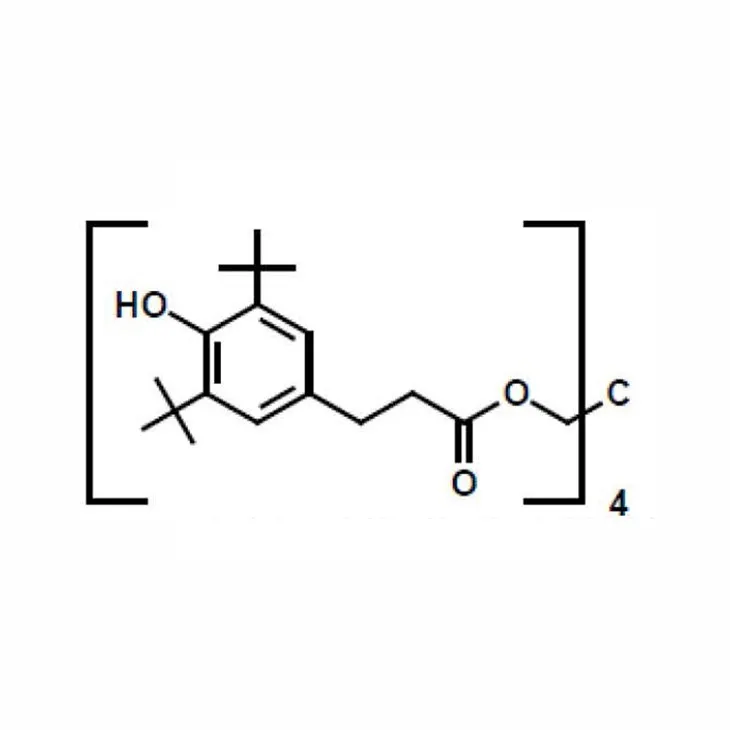
When it comes to meeting our antioxidant needs, antioxidant supplements can be a useful addition to a healthy diet. At our company, we offer a range of high - quality antioxidant products. For example, AT - 168 and Irgafos168 are well - known antioxidants in the market. These products are often used in the petrochemical industry to prevent oxidation of polymers and other materials, but they also have potential applications in the health and wellness field.
Another popular product is AT - 10, which is a powerful antioxidant that can help protect cells from oxidative damage. These supplements can provide a concentrated dose of antioxidants, ensuring that you get an adequate amount even if your diet is lacking.
How to choose the right antioxidant supplements
When choosing antioxidant supplements, it's important to do your research and choose products from reputable suppliers. Look for supplements that have been tested for quality and purity. It's also a good idea to consult with a healthcare professional before starting any new supplement regimen, especially if you have underlying health conditions or are taking medications.
Conclusion
In conclusion, while it is possible to get enough antioxidants from a well - balanced diet, many factors can make it challenging for us to meet our antioxidant needs through food alone. Antioxidant supplements can be a valuable addition to our health routine, providing an extra boost of protection against oxidative stress.

If you're interested in learning more about our antioxidant products or are considering purchasing them for your business or personal use, we invite you to reach out to us for a procurement discussion. We are committed to providing high - quality antioxidant solutions and can work with you to find the products that best suit your needs.
References
- Halliwell B, Gutteridge JM. Free Radicals in Biology and Medicine. Oxford University Press; 2015.
- Prior RL, Wu X. Oxidants, antioxidants, and the degenerative diseases of aging. The American Journal of Clinical Nutrition. 2006;83(2):460S - 469S.
- Willcox JK, Ash SL, Catignani GL. Vitamin E and antioxidant vitamins in the prevention of chronic disease. Critical Reviews in Food Science and Nutrition. 2004;44(3):207 - 219.