

Can Irgafos 168 be used in biodegradable polymers?
Hey there! As a supplier of Irgafos 168, I often get asked a bunch of questions about its applications, especially when it comes to biodegradable polymers. So, today, I'm gonna dive deep into the topic and see if Irgafos 168 can be used in biodegradable polymers.

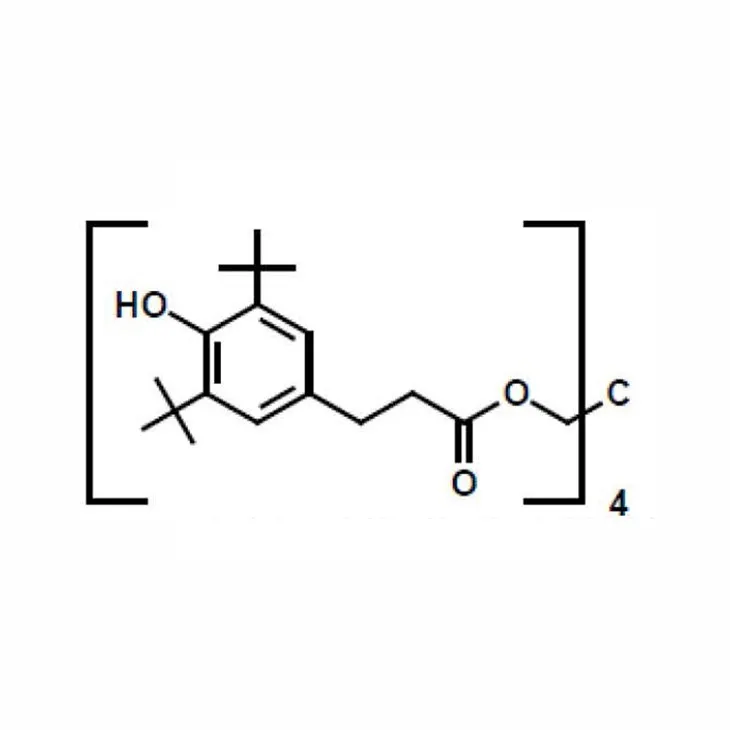
First off, let's talk a bit about Irgafos 168. Irgafos 168 is a well - known processing stabilizer. It's super effective in preventing the thermal degradation of polymers during the processing stage. You can find more detailed info about it on our website Irgafos168. This antioxidant works by decomposing hydroperoxides, which are formed during the oxidation process of polymers. By doing so, it helps to maintain the physical and mechanical properties of the polymers, such as their color, strength, and flexibility.
Now, let's turn our attention to biodegradable polymers. These are polymers that can be broken down by natural processes, usually by microorganisms like bacteria and fungi. They're becoming increasingly popular because of their environmental friendliness. Common examples of biodegradable polymers include polylactic acid (PLA), polyhydroxyalkanoates (PHA), and starch - based polymers. These polymers are used in a wide range of applications, from packaging materials to disposable cutlery.
So, can Irgafos 168 be used in biodegradable polymers? Well, the answer isn't a simple yes or no.
On one hand, there are some reasons why using Irgafos 168 in biodegradable polymers makes sense. Just like other polymers, biodegradable polymers also go through a processing stage where they're heated and shaped into different products. During this process, they're prone to thermal degradation. Irgafos 168 can act as a processing stabilizer here, protecting the biodegradable polymers from the negative effects of heat. It can prevent the formation of discoloration, reduce the loss of molecular weight, and improve the overall processability of the polymers.
For instance, when processing PLA, which is one of the most widely used biodegradable polymers, the high processing temperatures can cause the polymer chains to break down. Irgafos 168 can help to minimize this degradation, resulting in a product with better mechanical properties. It can also improve the melt flow properties of the polymer, making it easier to mold into different shapes.
On the other hand, there are some concerns. Biodegradable polymers are supposed to break down in the environment. Some people worry that the presence of Irgafos 168 might interfere with the biodegradation process. The long - term effects of Irgafos 168 on the biodegradability of polymers aren't fully understood yet. There's a possibility that the antioxidant could form by - products during the degradation of the polymer, and these by - products might have an impact on the environment.
However, some studies have shown that under certain conditions, Irgafos 168 can be used in biodegradable polymers without significantly affecting their biodegradability. For example, when used in low concentrations, Irgafos 168 doesn't seem to pose a major threat to the natural degradation process of the polymers.
Another aspect to consider is the compatibility of Irgafos 168 with different types of biodegradable polymers. Different biodegradable polymers have different chemical structures and properties. Some polymers might be more compatible with Irgafos 168 than others. For example, PLA and PHA have different polarities and reactivities, which can affect how well they interact with Irgafos 168.
In addition to Irgafos 168, there are other antioxidants that can be used in biodegradable polymers. One popular option is AT - 10. AT - 10 is a hindered phenolic antioxidant that can also provide good antioxidant protection. Sometimes, a combination of AT - 10 and Irgafos 168 is used to achieve better results. The two antioxidants work synergistically, with AT - 10 preventing the formation of free radicals and Irgafos 168 decomposing hydroperoxides.
If you're in the business of working with biodegradable polymers and are considering using an antioxidant, you might also want to check out AT - 168. AT - 168 is similar to Irgafos 168 in terms of its function as a processing stabilizer. It can be a good alternative or used in combination with Irgafos 168 depending on your specific needs.
So, in conclusion, Irgafos 168 can potentially be used in biodegradable polymers. It offers benefits in terms of protecting the polymers during processing, but there are also some uncertainties regarding its impact on biodegradability. More research is needed to fully understand the long - term effects.
If you're interested in learning more about Irgafos 168 or other antioxidants for your biodegradable polymer projects, don't hesitate to reach out. We're here to provide you with the best solutions and high - quality products. Whether you're a small - scale manufacturer or a large - scale producer, we can work with you to meet your requirements. Contact us for a free consultation and let's start a conversation about how we can help you with your antioxidant needs.
References:
- [List of relevant scientific papers on biodegradable polymers and antioxidants]
- [Industry reports on the use of antioxidants in polymer processing]