

What are the common types of adsorbents?
Adsorbents play a crucial role in a wide range of industries, from environmental protection to chemical processing. As an adsorbent supplier, I've had the privilege of working with various types of adsorbents and witnessing their diverse applications. In this blog, I'll introduce some of the common types of adsorbents and their unique features.
Activated Carbon
Activated carbon is one of the most well - known and widely used adsorbents. It is produced by heating carbonaceous materials, such as wood, coal, or coconut shells, in the absence of air to create a highly porous structure. The large surface area of activated carbon, which can range from 500 to 1500 square meters per gram, allows it to adsorb a variety of substances.
In the environmental field, activated carbon is used for water purification. It can remove organic compounds, chlorine, and some heavy metals from water. For example, in wastewater treatment plants, activated carbon filters are often employed to improve the quality of the treated water before it is released back into the environment.
In the gas phase, activated carbon is effective in removing volatile organic compounds (VOCs) and odors. Industries such as painting, printing, and chemical manufacturing use activated carbon adsorbers to control air pollution. The porous structure of activated carbon traps the VOC molecules, preventing them from being released into the atmosphere.
Silica Gel
Silica gel is another common adsorbent. It is a granular, porous form of silicon dioxide. Silica gel has a high affinity for water, making it an excellent desiccant. It is often used in packaging to keep products dry. For instance, you may have found small packets of silica gel in new shoes, electronics, or food products. These packets absorb moisture, preventing the growth of mold and corrosion of the products.
Silica gel also has applications in chromatography. In column chromatography, silica gel is used as a stationary phase. Different compounds in a mixture will interact differently with the silica gel surface, allowing for the separation of the components based on their adsorption and desorption properties.
Zeolites
Zeolites are crystalline aluminosilicate minerals with a unique three - dimensional porous structure. They have a high ion - exchange capacity and can selectively adsorb molecules based on their size and shape.
In the petrochemical industry, zeolites are used as catalysts and adsorbents. For example, in the process of catalytic cracking, zeolites help break down large hydrocarbon molecules into smaller, more valuable ones. Zeolites can also be used to separate different hydrocarbons based on their molecular size.
In the field of water softening, zeolites are used to remove calcium and magnesium ions from hard water. The sodium ions in the zeolite structure are exchanged with the calcium and magnesium ions in the water, reducing the water's hardness.
Alumina
Aluminum oxide, commonly known as alumina, is a widely used adsorbent. It has a high surface area and can adsorb a variety of substances, including water, gases, and organic compounds.
In the chemical industry, alumina is used as a catalyst support. The high surface area of alumina provides a large area for the active catalyst components to be dispersed, enhancing the catalytic activity. Alumina can also be used for the purification of gases. For example, it can remove sulfur compounds from natural gas, improving the quality of the gas.
Specific Adsorbents for Gold Extraction
In the gold extraction industry, specific adsorbents are developed to efficiently recover gold from ore solutions.
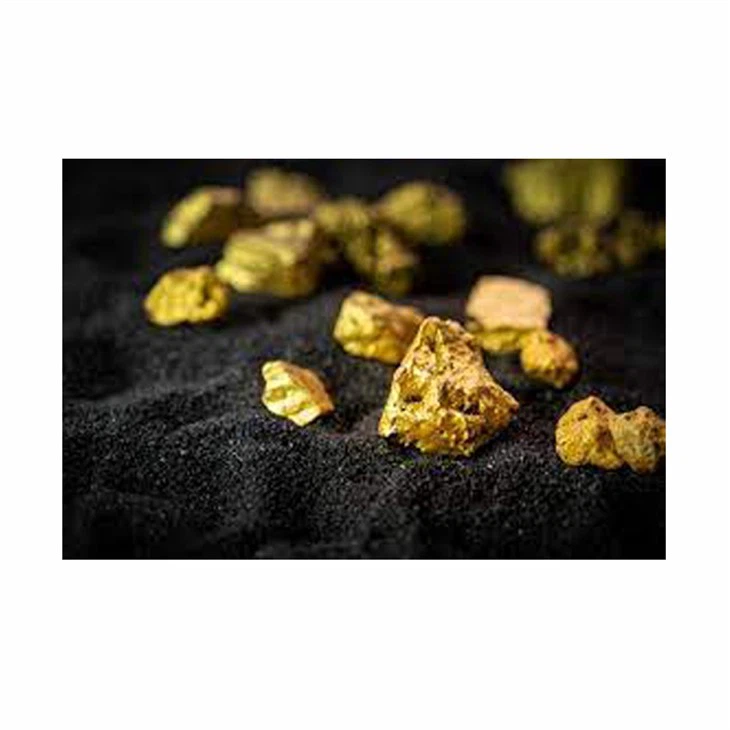

One such adsorbent is GoldSorb 6000. GoldSorb 6000 is designed with a high selectivity for gold ions. It can quickly and effectively adsorb gold from cyanide - based gold leaching solutions. Its unique chemical structure allows for a high adsorption capacity, which means it can recover a large amount of gold in a relatively short time.
Another product is GC E612. GC E612 is known for its excellent stability and reusability. It can maintain its adsorption performance even after multiple adsorption - desorption cycles. This makes it a cost - effective option for gold mining companies.
RMPC1003 is also a popular choice in the gold extraction process. It has a fast adsorption rate and can work well in a wide range of solution conditions. RMPC1003 can be used in both small - scale and large - scale gold extraction operations.
Choosing the Right Adsorbent
When choosing an adsorbent, several factors need to be considered. Firstly, the nature of the target substance to be adsorbed is crucial. Different adsorbents have different affinities for various substances. For example, if you need to adsorb water, silica gel or activated alumina may be a good choice. If you are dealing with organic compounds, activated carbon might be more suitable.
Secondly, the operating conditions also matter. Temperature, pressure, and the presence of other substances in the system can affect the adsorption performance. Some adsorbents may work better at high temperatures, while others are more effective at low pressures.
The cost - effectiveness of the adsorbent is another important factor. This includes the initial cost of the adsorbent, its regeneration cost (if applicable), and its service life. A more expensive adsorbent with a high adsorption capacity and long service life may be more cost - effective in the long run compared to a cheaper but less efficient one.
Conclusion
As an adsorbent supplier, I understand the importance of providing high - quality adsorbents that meet the specific needs of different industries. Whether it's for environmental protection, chemical processing, or precious metal extraction, there is a suitable adsorbent for every application.
If you are in need of adsorbents for your business, we can offer a wide range of products, including the ones mentioned above. Our team of experts can help you choose the most appropriate adsorbent based on your specific requirements. We are committed to providing excellent customer service and technical support. If you are interested in purchasing adsorbents or have any questions about our products, please feel free to contact us for a detailed discussion. We look forward to working with you to find the best adsorbent solutions for your business.
References
- Rouquerol, F., Rouquerol, J., & Sing, K. (1999). Adsorption by Powders and Porous Solids: Principles, Methodology and Applications. Academic Press.
- Yang, R. T. (2003). Gas Separation by Adsorption Processes. World Scientific.
- Szekely, J., & Evans, J. W. (1971). Rate Processes in Metallurgy. Wiley - Interscience.